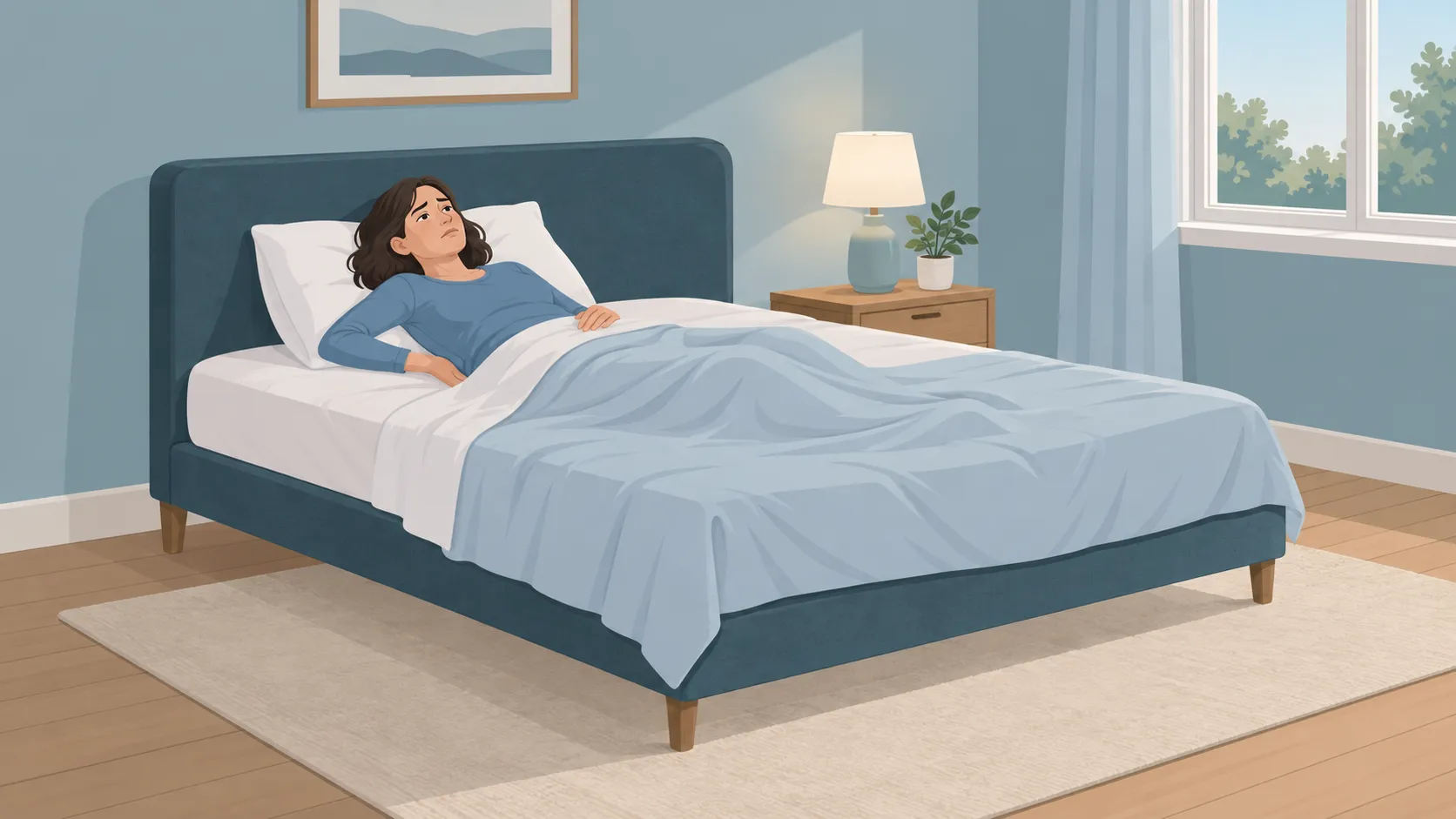
Lower back pain when you lie down may come from muscles or joints that are sensitive in a particular position, soreness after activity, or nerve irritation. Staying in one position can also become uncomfortable. The position that hurts does not identify the cause by itself.
You might notice an ache when lying flat, pain when rolling over, or discomfort that wakes you after you fall asleep. Whether changing position helps, and whether you have leg symptoms or other health changes, can help a healthcare provider assess what is happening.
What Can Cause Lower Back Pain When Lying Down?
Lower back pain in bed can come from muscles, spinal joints, discs, or nerves. Some conditions make particular movements uncomfortable; others cause pain during rest. Several factors may contribute at once, and sometimes an examination does not identify one specific structure responsible for the pain.
Muscle Strain or Soreness After Activity
Lifting, repeated bending, or an unfamiliar workout can leave the muscles around your lower back sore. A strain involves injury to a muscle or tendon, while soreness after activity does not necessarily mean an injury occurred.
These symptoms may become noticeable when you stretch out in bed or use those muscles to roll over and sit up. A recent change in activity can be a useful clue, especially if the same area also hurts when you lift or bend.
Spinal Joint Irritation and Osteoarthritis
The small joints connecting the bones of your spine help guide movement. Irritation or osteoarthritis in these joints can contribute to aching and stiffness.
Changing your back position can change how these joints are loaded. Lying flat, arching your back, or turning over may therefore feel different from resting with your knees supported. However, pain in one position does not confirm arthritis, and arthritis seen on a scan may not explain your symptoms.
Disc Changes and Nerve Irritation
Discs sit between the bones of your spine. A herniated disc can irritate a nearby nerve, sometimes causing pain that travels into the buttock or leg, along with tingling, numbness, or weakness.
Symptoms may change as you bend, turn, or settle into a resting position. Back pain alone does not establish that a disc is responsible, and disc changes can also appear on scans in people without pain. Report new or worsening leg symptoms to your medical provider.
Inflammatory Arthritis
Some forms of inflammatory arthritis, including axial spondyloarthritis, can cause back pain that worsens at rest or at night. Morning stiffness and improvement after getting up and moving are worth discussing with a medical provider, especially if the pattern persists.
This differs from ordinary soreness after a busy day and may require medical investigation and treatment alongside physical therapy. Nighttime pain alone does not establish an inflammatory condition.
Other Medical Causes
Back pain can occasionally come from a vertebral fracture, a kidney problem, or another condition outside the muscles and joints. Spinal infection and cancer are less common causes.
You can’t identify these conditions by testing sleep positions. Your medical history and symptoms help determine whether you need further assessment. The “When to Seek Medical Care” section below explains which changes call for prompt or emergency attention.
Why Your Back May Hurt More in Bed
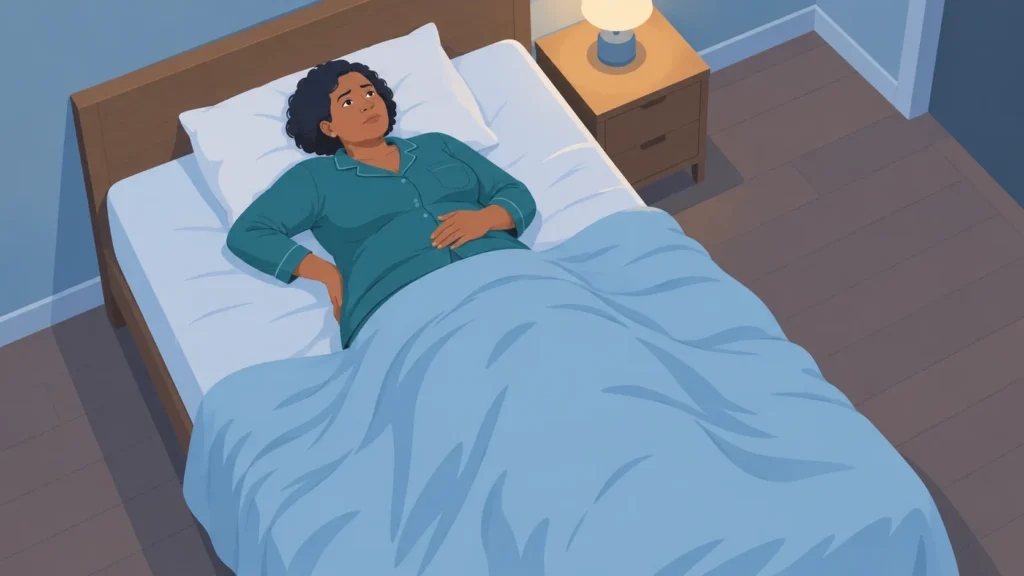
Lying down changes the position of your back and hips. A position that feels comfortable while you move may become uncomfortable when you hold it longer. Rolling over also involves movement that can bother an already sensitive back. This may explain why walking feels tolerable while lying flat, but turning in bed hurts.
Notice whether discomfort starts as you settle into bed, appears when you roll over, or wakes you after you have been still. Also consider whether repositioning or briefly getting up changes it. These patterns can help your provider assess your symptoms, but they cannot identify a specific injury on their own.
At your appointment, describe which positions bother you, whether the pain travels into your leg, and whether it affects daytime activities. Mention any recent injury or change in exercise or lifting. A few clear observations are enough to start the conversation.
Ways to Make Lying Down More Comfortable
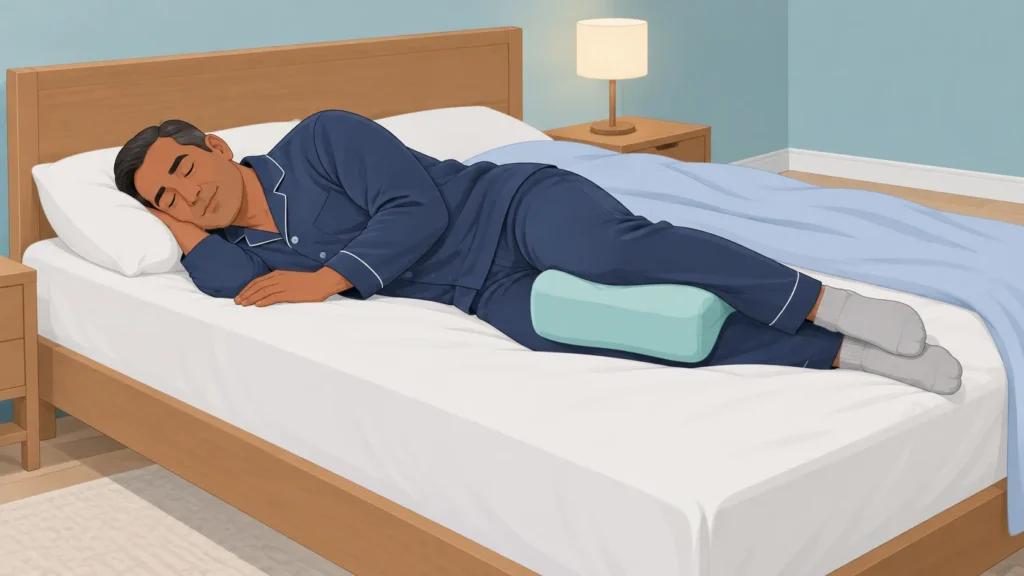
No single sleep position works for everyone with back pain. Start with a position that feels tolerable, then try one small adjustment at a time so you can tell whether it helps.
- On your side: Try a pillow between your knees.
- On your back: Try a pillow beneath your knees.
- If a position becomes uncomfortable: Reposition rather than forcing yourself to hold it.
Pillow support is optional. Adjust or remove it if it increases discomfort, and do not worry about maintaining the same position throughout the night.
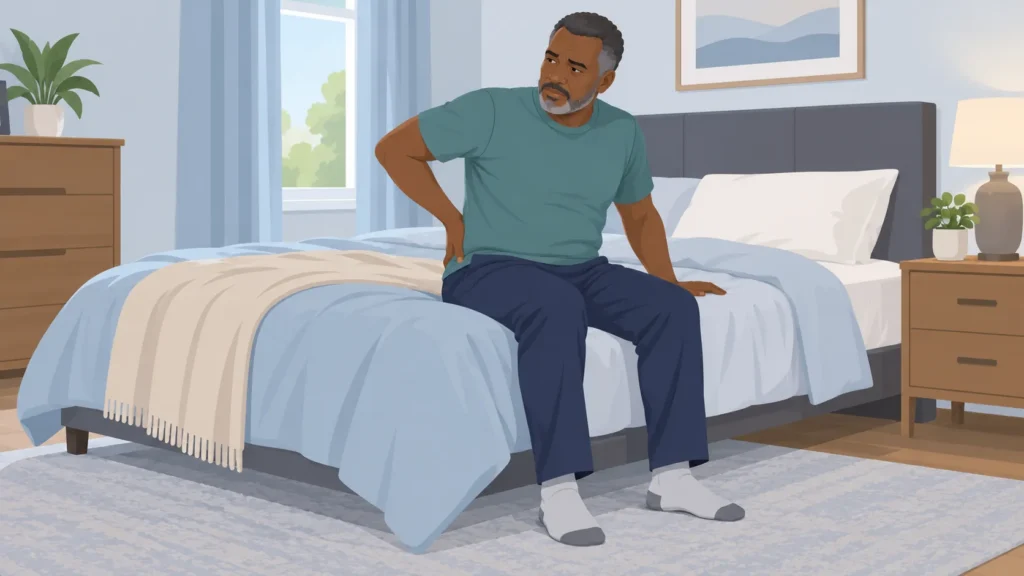
When getting out of bed, try rolling onto your side, bringing your legs over the edge, and pushing up with your arms. This may feel easier than sitting straight up. Move at a comfortable pace without trying to keep your back perfectly rigid.
The useful question is whether an adjustment makes resting or moving easier. You do not need to keep testing positions that hurt. Stop an adjustment that clearly worsens pain or sends symptoms farther down your leg, and seek assessment if you cannot find a comfortable resting position.
When to Seek Medical Care
Arrange a medical appointment if pain keeps interrupting your sleep, is worse at night, does not improve with rest, or continues despite reasonable changes in position. Mention any history of cancer, osteoporosis, recent injury, or unexplained weight loss.
Seek prompt medical care for back pain with fever, feeling generally unwell, or severe pain that starts suddenly or worsens quickly.
Seek emergency care for new difficulty urinating, loss of bladder or bowel control, numbness around your groin, or new or worsening weakness or numbness in both legs. Back pain after a significant accident also needs urgent assessment.
How Physical Therapy May Help
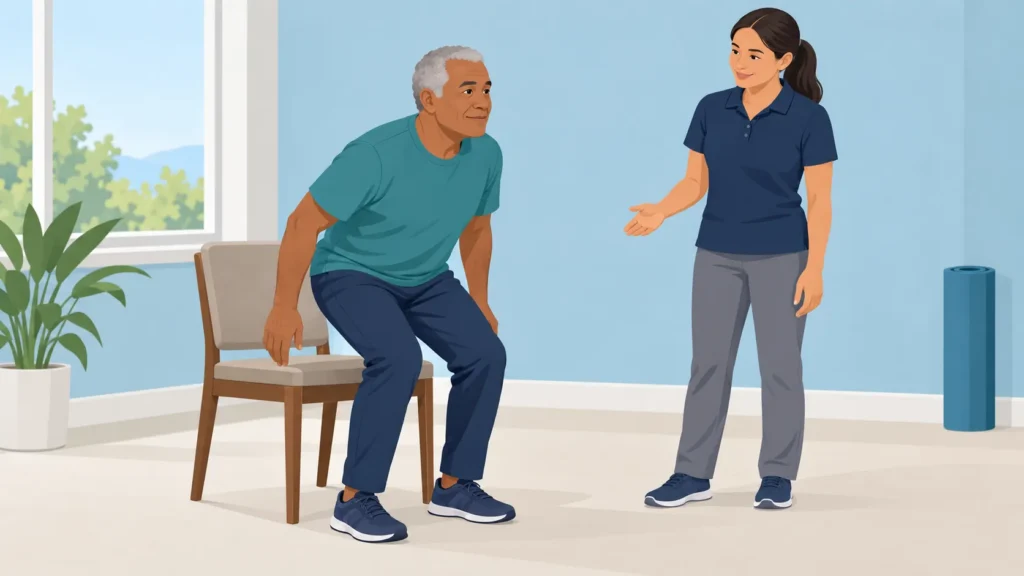
A physical therapy evaluation can explore the movements and positions that make resting difficult. Your therapist may ask you to demonstrate how you lie down, roll over, or get out of bed, then assess relevant movement, strength, and sensation. They may also ask about sitting, lifting, walking, or exercise to understand how your symptoms behave during the day.
Depending on the findings, care may include practicing a more comfortable way to move in bed, trying different resting positions, and learning exercises suited to your symptoms and abilities. Exercises may focus on making certain movements more tolerable or building strength for daily tasks.
You can also discuss how to adjust activities that aggravate your back without stopping all activity. For example, your therapist may help you adjust lifting tasks or your exercise routine while symptoms are bothersome.
At follow-up visits, your therapist can review whether turning over is easier, sleep is less interrupted, and daily activities feel more manageable. These changes help guide care adjustments. Report new or worsening symptoms promptly rather than waiting for your next appointment. If findings suggest a need for medical assessment, your therapist can recommend that next step.
FAQs About Lower Back Pain When Lying Down
These questions cover common decisions about bedding, activity, testing, and starting care.
Do I Need a Firmer Mattress?
Not necessarily. A mattress that feels comfortable to one person may be uncomfortable for another, and pain when lying down doesn’t prove your mattress is to blame. Before making an expensive purchase, consider whether different positions or pillow arrangements change your comfort. Persistent symptoms deserve assessment, not repeated bedding changes alone.
Should I Stay in Bed Until My Back Feels Better?
Prolonged bed rest is generally not recommended for uncomplicated lower back pain. Brief rest may be useful, but gentle movement and manageable daily activity are usually part of care. If pain makes walking or basic tasks difficult, ask a healthcare professional how to adjust activity safely.
Will I Need an X-Ray or MRI?
Many people with lower back pain do not need imaging at the outset. A medical provider considers your history, examination, and any concerning symptoms when deciding whether a scan could affect treatment. Pain when lying down, by itself, does not establish that imaging is necessary.
Should I Stretch My Back Before Bed?
Stretching is optional, and more stretching is not necessarily better. A gentle movement that feels comfortable may be reasonable, but avoid forcing a stretch or continuing if it increases pain or sends symptoms down your leg. If you are unsure which movements suit your symptoms, a physical therapist can help you choose.
Can I Start Physical Therapy Without Knowing What Is Causing the Pain?
You do not need to identify the cause yourself before discussing an evaluation. Your therapist can review your symptoms, assess relevant movements, and determine whether physical therapy is appropriate or whether you need a medical assessment first. Referral and insurance requirements vary, so confirm those details before scheduling.
Summary
Lower back pain when lying down can relate to position-sensitive muscles or joints, soreness after activity, or nerve irritation. The painful position alone does not identify the cause.
Small changes in position or pillow support may make resting more comfortable. If pain repeatedly disrupts sleep, worsens, or does not ease with repositioning, seek medical assessment. When appropriate, physical therapy can help you explore comfortable movements and build a plan for daily activity.
Talk With Calibration Physical Therapy About Your Back Pain
If lower back discomfort makes it hard to rest, turn in bed, or manage your day, contact Calibration Physical Therapy to discuss an evaluation. Describe when the pain occurs and any associated symptoms so the team can help determine the appropriate next step. Schedule an evaluation to get started.
Tags

About the Author
Dr. Traci Smiley, DPT
Traci is a licensed physical therapist and owner of Calibration Physical Therapy, serving the Kansas City area. A Board-Certified Orthopedic Clinical Specialist with advanced training in manual therapy and strength conditioning, she helps individuals overcome pain and return to what they love.