
Physical Therapy Services
Elbow Pain & Tendinitis Treatment in Overland Park
Learn how we approach evaluation, hands-on treatment, and progressive rehab for this service.
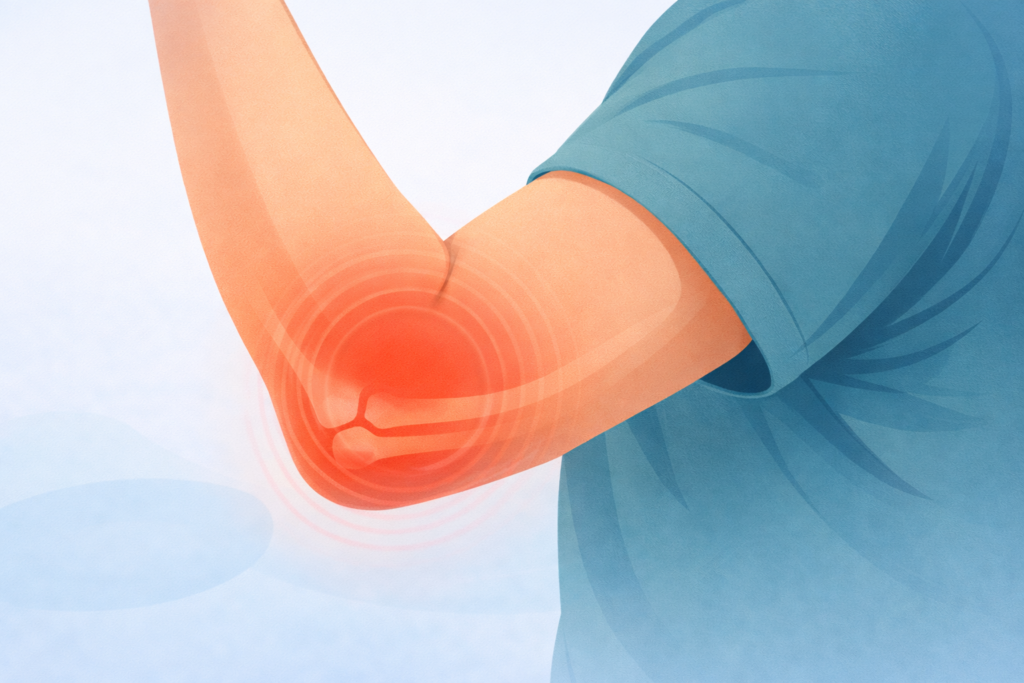
Service details
Lifting a coffee mug can become uncomfortable when your elbow hurts. If the pain keeps returning, you may change how you use your arm or avoid tasks at work, at home, or during exercise.
At Calibration Physical Therapy in Overland Park, we assess your elbow symptoms, movement, and strength to determine whether physical therapy is appropriate. Treatment may include exercise, hands-on care, and practical changes to activities that aggravate your elbow.
Understanding Elbow Tendon Pain
The muscles that move your wrist and fingers connect to the elbow through tendons. Repeated or strenuous use of these muscles can contribute to tendon pain, even if you do not play a sport. You might notice tenderness near the elbow or discomfort that travels into the forearm when using your hand.
Symptoms may develop gradually, sometimes after a change in your usual workload or exercise routine. Spending a weekend painting or returning to a racquet sport after a break can involve much more forearm activity than you are used to. There may also be no obvious starting point. Tell your therapist whether the pain built up over time or started during a specific incident.
Tennis elbow and golfer’s elbow affect different tendon attachments:
| Condition | Typical pain location | Movements that may bring on symptoms |
|---|---|---|
| Tennis elbow, or lateral epicondylitis | Outside of the elbow | Gripping, lifting, or extending the wrist |
| Golfer’s elbow, or medial epicondylitis | Inside of the elbow | Gripping, bending the wrist, or turning the forearm |
These conditions are commonly called tendonitis, although persistent tendon problems do not always involve inflammation alone. Pain in either location can also have other causes, so an evaluation considers more than where the elbow feels tender.
When to Seek Physical Therapy
Consider an evaluation if elbow pain is not improving, repeatedly interrupts an activity, or makes everyday tasks difficult. You don’t need to wait until you can no longer use your arm. Even if symptoms ease between activities, a recurring problem is worth discussing.
When you contact us, mention how long the pain has been present and whether it began after an injury. Also let us know about any numbness, tingling, or weakness. These details help us determine whether to start with a physical therapy evaluation or recommend medical assessment first.
Your Evaluation and Treatment
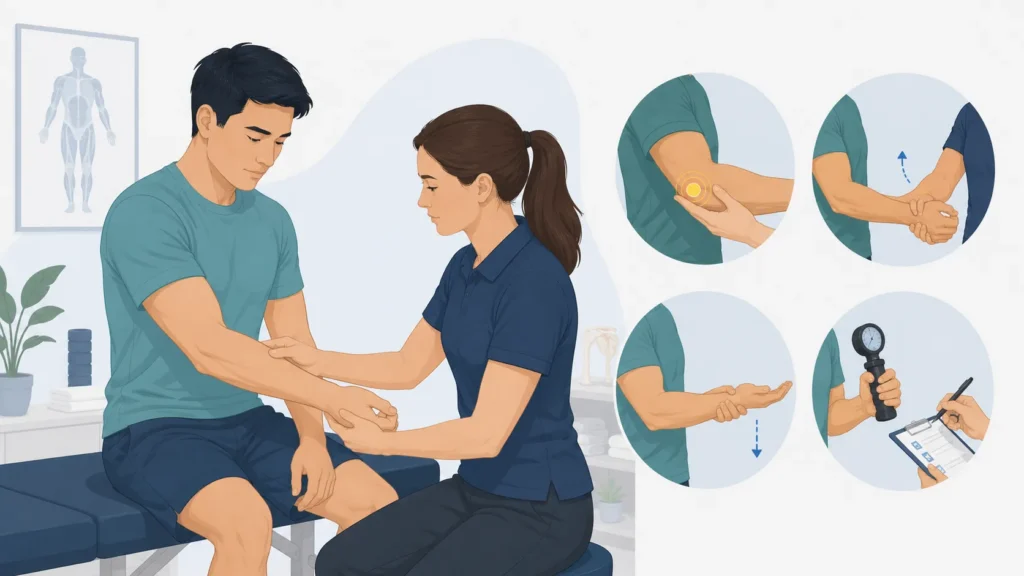
At your first visit, we’ll discuss how the pain began and what happens when you use your arm. Details matter: discomfort that starts after an hour of using tools may call for a different approach than pain with the first few movements. We’ll also talk about what you have tried and which activities you need to resume.
The examination may include checking elbow and wrist movement, grip strength, and movements that reproduce your symptoms. We may assess the shoulder or other nearby areas when needed. We’ll explain the findings, discuss treatment options, and identify any concerns that need medical assessment before we proceed with care.
Exercise and Strengthening
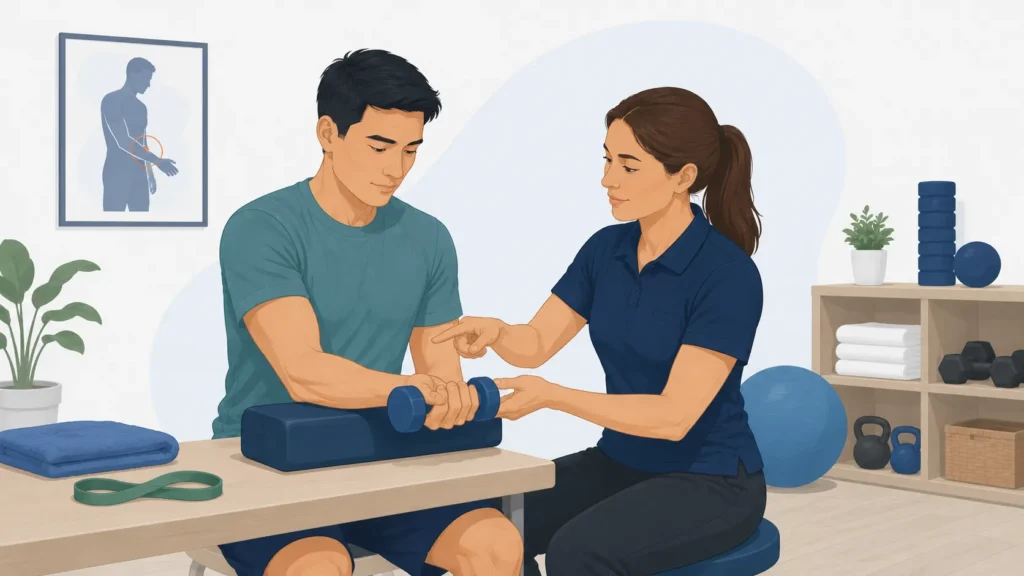
We select exercises based on your strength, symptoms, and the movements that are difficult for you. For elbow tendon pain, these may include controlled wrist movements and grip exercises, with resistance adjusted to what your arm can manage.
During visits, we can practice the exercises together and explain how much to do at home. Let us know if a movement is unclear or difficult to perform with the equipment you have available. If an exercise causes a marked increase in pain or makes everyday tasks harder afterward, tell us so we can review the technique or change the amount of exercise.
Adjusting Daily Activities
If a daily task aggravates your elbow, we can look at how you do it and how long you do it at once. Small changes may make the task more manageable while you work through treatment.
For someone using hand tools, that might mean adjusting the grip or breaking a longer job into shorter periods. If desk work brings on symptoms, we can review keyboard and mouse positions and how your forearm is supported.
Tell us which responsibilities you cannot easily change. We’ll discuss adjustments that fit your work and home routine, including opportunities to alternate tasks or take breaks.
Hands-On Care and Other Options
We may consider manual therapy for stiffness or muscle discomfort around the elbow and forearm. We select hands-on techniques based on the examination and use them alongside your exercises when appropriate.
We also offer dry needling and NEUBIE therapy. If we recommend either option, we’ll explain what it is intended to address, review potential risks and alternatives, and discuss any health considerations that could affect its use. You can ask questions and decide whether you are comfortable including it in your care.
For questions about pain medication, speak with your physician or pharmacist.
How Progress Is Assessed
We’ll compare your movement, grip strength, and ability to use the arm with what you could manage at the start of care. Everyday tasks provide useful reference points. Can you carry a shopping bag farther, or finish a task with fewer breaks? Tell us what has changed and what still feels difficult.
We’ll also ask how your elbow feels during activity, later that day, and the following morning. These details help us review whether the current exercises and daily workload are manageable.
If progress stalls, we’ll revisit the exercise plan and reassess your symptoms. Persistent or worsening symptoms may require further medical evaluation.
Returning to Workouts and Repetitive Work
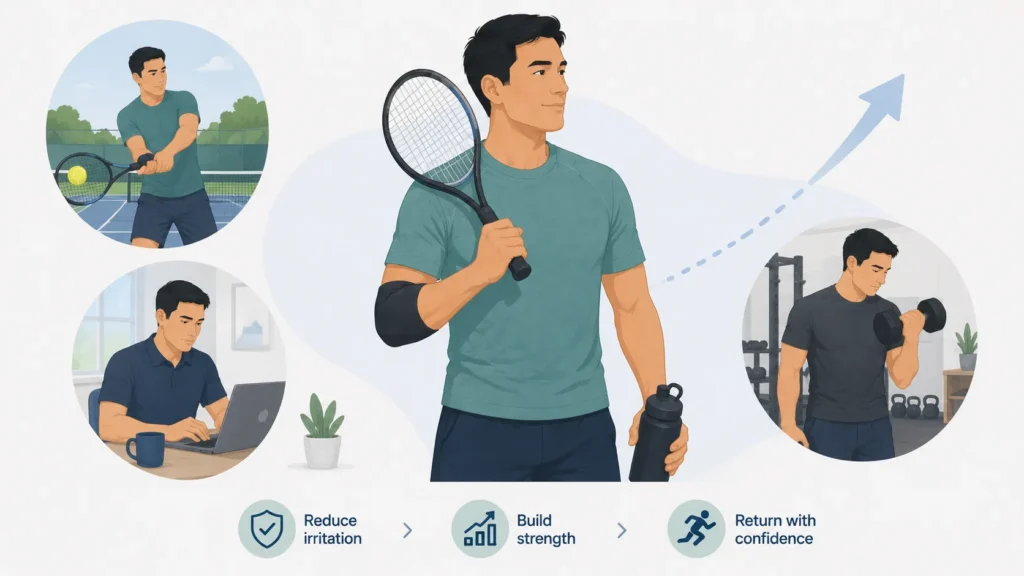
A few comfortable repetitions in the clinic do not necessarily mean your arm is ready for a full workout or hours of repetitive work. We’ll consider the weight you need to handle, how often you repeat a movement, and how long the activity lasts.
For weight training, we may suggest starting with lighter resistance or fewer sets. We’ll discuss when to increase the workload and which part of the workout to adjust so you don’t change everything at once.
For a physically demanding job, describe the actual tasks involved, including how much you lift, the positions you work in, and the length of your shifts. If temporary changes in duties are available, those details can inform the plan. If they are not, we need to account for the work your arm is already doing between visits.
When Elbow Pain Needs Medical Attention
Seek urgent medical evaluation if you have:
- A visibly misshapen elbow after an injury
- A snap or pop followed by difficulty moving or using the arm
- Severe or rapidly worsening pain or swelling
- A red, hot, swollen elbow, especially with fever or feeling unwell
- Sudden or significant loss of sensation or strength
Persistent numbness, tingling, or unexplained weakness also needs assessment. Do not assume these symptoms are tendonitis.
Suspected fractures, dislocations, and major tendon injuries require medical care before rehabilitation is considered. If you have had surgery, tell us about your surgeon’s restrictions so treatment stays within those limits.
Frequently Asked Questions
Do I need to stop all exercise?
Not necessarily. Some activities may remain comfortable while others need to be reduced or paused. Tell us what your usual workouts involve and which movements bring on symptoms. We’ll discuss what you can continue, what needs adjusting, and which symptom changes to report.
Why does my elbow pain return after rest?
Rest may settle symptoms without preparing your arm for the workload that irritated it. Resuming the same activity at the same intensity can bring the pain back. We can review that pattern and discuss a more gradual return. If the symptoms change or the cause remains unclear, further assessment may be needed.
Would an elbow brace help?
A brace may reduce discomfort during certain activities, but it isn’t necessary for everyone and doesn’t replace exercise or changes to an aggravating task. We can discuss whether one is worth trying, check its fit, and explain when to use it. Tell us if it causes pressure, numbness, or increased pain.
Do I need an X-ray or MRI before physical therapy?
Not every episode of elbow pain requires imaging. A medical professional may recommend it after an injury or when the examination suggests another condition. If you have already had an X-ray or MRI, share the findings and any restrictions you were given so we can account for them during your evaluation.
How long does physical therapy for elbow pain take?
There is no single timeline. The cause of the pain, how long it has been present, and the demands of your work or exercise all matter. After evaluating your arm, we’ll discuss how often to meet and when to review your progress. The visit schedule may change as everyday activities become more manageable or you need less guidance with exercises.
Schedule an Elbow Pain Evaluation
Contact Calibration Physical Therapy in Overland Park to arrange an evaluation and discuss the elbow symptoms affecting your daily routine.
Schedule an Evaluation or call (913) 914-7174.