
Physical Therapy Services
Hip Labral Tear Treatment in Overland Park
Restore hip strength, control, and mobility with a plan built around pain-free movement and activity return.
Service details
Hip pain or groin pain can make ordinary movements feel different. Sitting for work, climbing stairs, getting out of a car, running, or turning quickly can all become harder when your hip is stiff, painful, or catches as you move.
At Calibration Physical Therapy, we assess how your hip works and what it needs to do. That may include managing symptoms without surgery or rebuilding movement after a physician-directed procedure.
What Is a Hip Labral Tear?
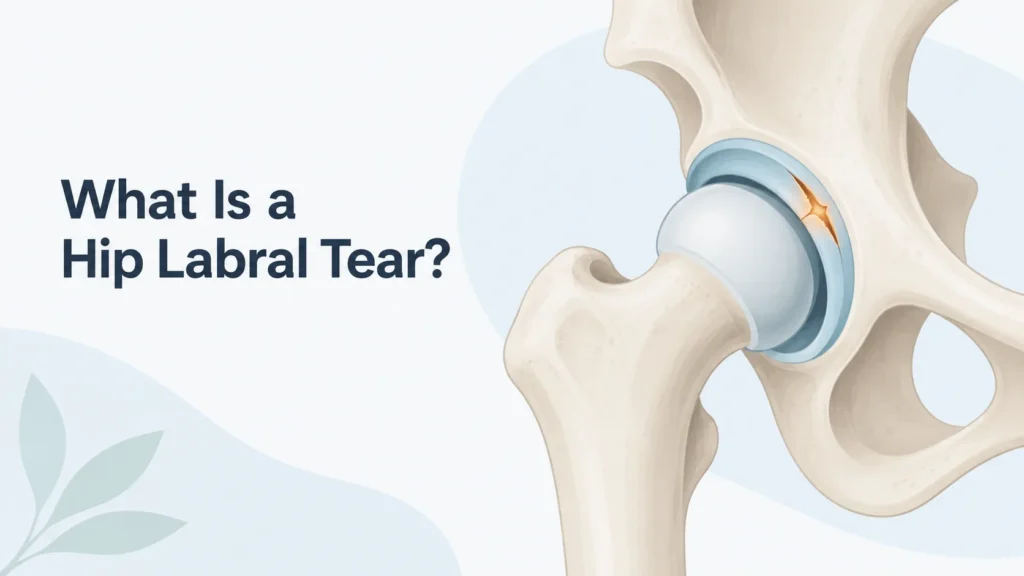
The labrum is a ring of cartilage around the socket of the hip joint. It helps the ball of the hip move within the socket. A tear can develop after an injury, repeated hip stress, gradual tissue changes, or differences in hip joint shape.
Some labral tears cause no noticeable symptoms. Others may be associated with:
- Pain in the groin, hip, or buttocks
- Stiffness or reduced hip movement
- Clicking, catching, or locking
- Pain with walking, running, sitting, pivoting, or changing direction
- Trouble tolerating exercise or other weight-bearing activity
These symptoms can have several possible causes and do not confirm a labral tear on their own. A physician may recommend further examination or imaging when your history and physical findings suggest that it is needed.
When an Evaluation May Help
Consider a physical therapy evaluation if hip or groin symptoms are interfering with activities you need or want to do. That might mean sitting at a desk, walking through a workday, using stairs, getting in and out of a car, lifting, running, or playing a sport.
An evaluation may also be useful if:
- Symptoms have continued despite changes you have already made
- Your hip catches or clicks during movement
- You have started avoiding exercise or changing the way you walk
- You have been referred for rehabilitation after hip surgery
A physical therapist can assess movement and discuss treatment options, but the evaluation does not replace medical care, imaging, or a surgical consultation when those services are appropriate.
What Happens at the First Visit

We will ask how your symptoms started, which movements affect them, and what has changed in your daily life. That may include questions about work, exercise, sleep, walking, sitting, previous treatment, and any injury or surgery.
You may be asked to walk, move your hip, or perform simple tasks while we look at strength, balance, and how your hip works with the rest of your lower body. If you have had imaging or surgery, bring the instructions or restrictions your physician provided.
The visit should help clarify which activities are currently limited, what you can work on safely, and whether physical therapy is an appropriate part of your care.
How Physical Therapy May Help
The right approach depends on your symptoms, movement findings, medical history, activity demands, and whether you have had surgery. Exercise and gradual exposure to necessary activities form the foundation of rehabilitation. Other techniques may be added when they support that work.
Exercise and Movement Control
Your program may address hip and lower-body strength, balance, flexibility, and control. Exercises can be connected to the movements you need in daily life, such as standing from a chair, climbing stairs, walking, lifting, running, or changing direction.
Your physical therapist may change an exercise’s position, resistance, range of motion, or repetitions based on how your hip responds. You will also discuss how to practice at home and which activities may need temporary modification.
Supporting Techniques
Hands-on treatment may be used for the hip or surrounding muscles when it fits your examination findings. It can be one part of treatment, but it does not confirm a labral tear or replace active rehabilitation.
Neuromuscular re-education may focus on balance, hip control, lower-body alignment, and coordination during functional tasks. Calibration Physical Therapy may also use the NEUBIE device when it is appropriate for the plan of care. Device-based treatment is an adjunct, not a substitute for exercise or medical evaluation.
We may discuss dry needling when muscle-related findings make it a reasonable option. It is not needed for everyone with hip symptoms. If we consider it, your therapist will explain the procedure, possible risks, and how it fits with the rest of your treatment. Learn more about dry needling.
Adjusting Work, Exercise, and Daily Activities

You may not need to stop all activity while your hip is being evaluated. A more useful question is which movements aggravate your symptoms and how you can adjust those demands for now.
That could involve changing how long you sit, taking movement breaks, using stairs differently, reducing lifting, or temporarily limiting running, jumping, deep hip bending, pivoting, or cutting. The right changes depend on your symptoms and the demands of your work or exercise.
As your tolerance improves, you can build activity back toward the tasks that matter to you. Progression should account for how your hip responds, not follow a fixed schedule.
Nonsurgical and Post-Surgical Rehabilitation
Physical therapy may be part of nonsurgical care, preparation for surgery, or recovery after a hip procedure.
For nonsurgical care, treatment may focus on reducing aggravating demands, improving strength and movement control, and building tolerance for work, exercise, and daily tasks.
After surgery, the plan follows the procedure and the surgeon’s instructions. Your therapist may work on approved movement, walking, strength, and activity tolerance, but the surgical team sets restrictions on weight-bearing, range of motion, driving, work, exercise, or sport.
A physical therapist cannot determine whether surgery is necessary. If surgery has been recommended, rehabilitation must stay within the limits you have been given.
How We Review Progress
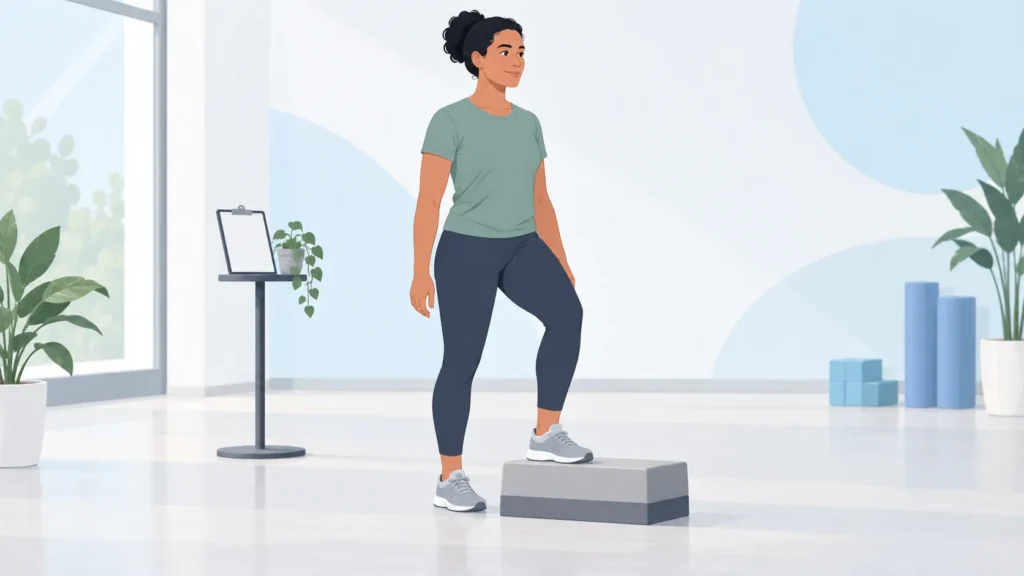
We look at whether the activities that matter to you are becoming more manageable. That might mean sitting longer at work, walking with less difficulty, using stairs, lifting, or tolerating selected exercise.
Strength, movement, balance, and symptom response also help guide decisions. If your symptoms worsen or progress stops, the plan may need to change. Further medical evaluation may be appropriate if the findings suggest another problem or if rehabilitation is not addressing the issue.
When to Seek Medical Attention
Seek prompt medical attention if hip symptoms follow a major injury, if you cannot bear weight, or if the pain is severe or getting worse quickly. Fever, feeling unwell, a hot or markedly swollen hip, new numbness, or significant weakness also need medical attention.
These problems may require assessment beyond routine physical therapy.
Frequently Asked Questions
Can physical therapy help if I have not had surgery?
It may. Physical therapy can help some people manage hip labral tear symptoms and improve strength, movement, and activity tolerance without surgery. It cannot repair the labrum or determine whether surgery is necessary. If symptoms continue to worsen or interfere with basic activities, medical follow-up may be appropriate.
Do I need imaging before starting physical therapy for a hip labral tear?
Not always. Imaging decisions depend on your injury history, symptoms, examination findings, and the recommendations of your medical provider. A physical therapist can evaluate how you move and help identify whether further medical assessment may be useful, but a physical therapy evaluation does not confirm a labral tear.
Can I continue exercising while being treated for a hip labral tear?
Often, exercise can continue in a modified form. You may need to change the range of motion, resistance, impact, running, cutting, or training volume for a period of time. The goal is to identify activity your hip can tolerate and gradually increase the demand as your response allows.
How long will physical therapy take?
There is no single timeline for hip labral tear rehabilitation. The process can vary based on your symptoms, activity goals, medical restrictions, whether you had surgery, and how your hip responds to treatment. Your therapist will review your progress and adjust the plan as your abilities and needs change.
What changes if I am recovering from hip labral tear surgery?
The surgeon’s instructions determine what you can do and when. Early rehabilitation may focus on approved movement and walking before progressing strength and activity. Your physical therapist will work within those restrictions and coordinate progression with your procedure and clearance.
Talk With Calibration Physical Therapy
If hip pain, stiffness, clicking, or limited movement is affecting work, exercise, or daily activities, contact Calibration Physical Therapy in Overland Park. We can discuss your symptoms and determine whether an evaluation is appropriate.
Schedule an Evaluation or call (913) 914-7174.