Start with the problem underneath the pain
Each visit starts with movement findings, symptom behavior, and the demands of your daily life so treatment stays specific.

Services
Move with less pain, recover from injury or surgery, and get back to what matters.
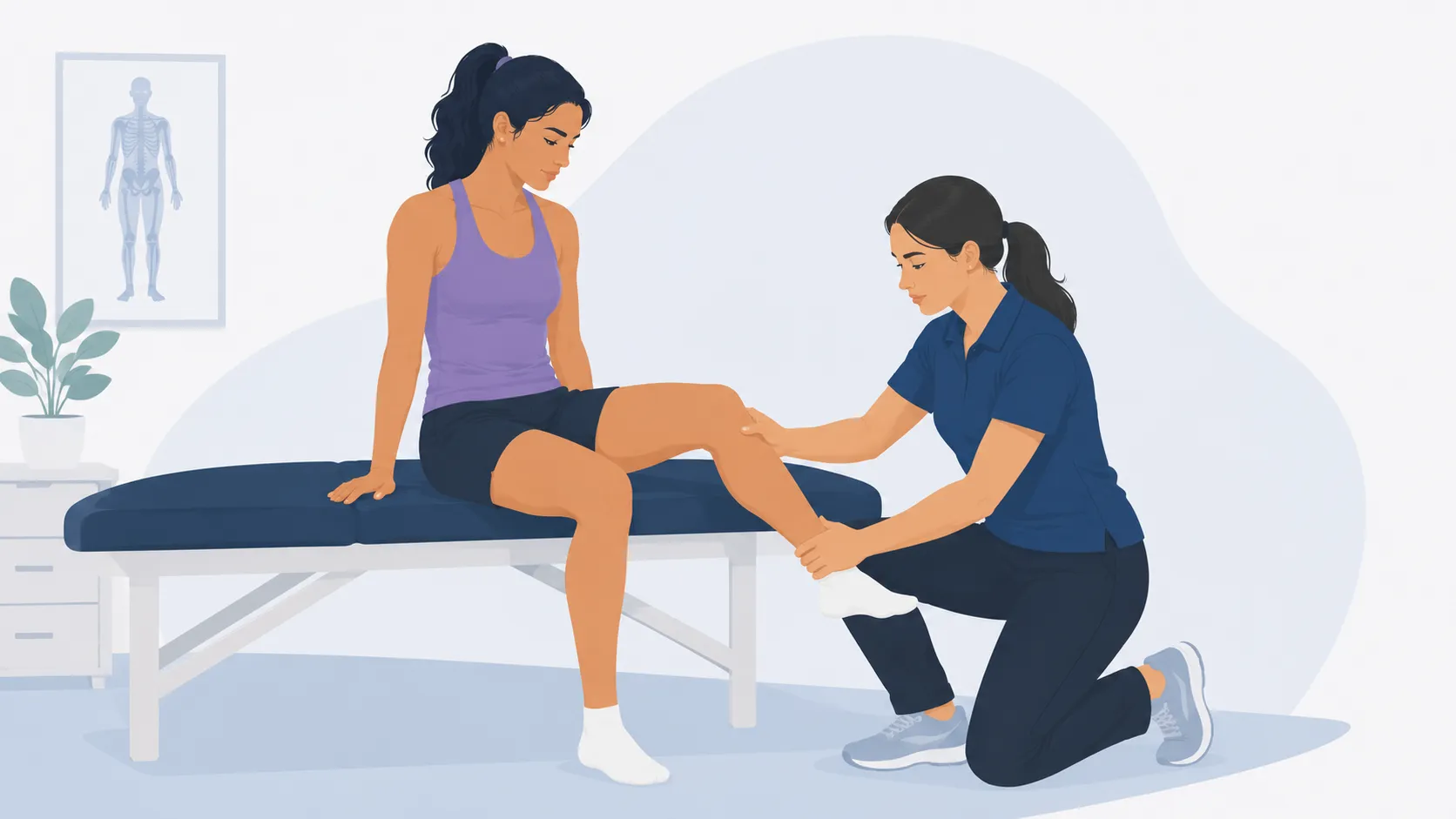
Find Your Starting Point
You don't need to choose the perfect treatment. During an evaluation, we learn about your symptoms, and goals, then recommend next steps.
Each visit starts with movement findings, symptom behavior, and the demands of your daily life so treatment stays specific.
Hands-on techniques, targeted mobility work, and strengthening are layered together so the relief you feel actually holds.
Treatment is geared toward walking, lifting, running, returning to the gym, or simply moving through the day with less hesitation.
Treatment Menu
Start with the area that best matches what is limiting you. Each page explains what we treat and what recovery can look like.
Rebuild knee strength, control, and confidence after an ACL injury with focused rehab for daily movement and return to sport.
Learn moreReduce flare-ups and rebuild strength with movement-based back pain care that improves tolerance for work, training, and daily life.
Learn moreEase nerve symptoms and improve spinal tolerance with progressive rehab that restores movement confidence.
Learn moreRestore hip strength, control, and mobility with a plan built around pain-free movement and activity return.
Learn moreKnee pain can make you hesitate before taking the stairs, shorten your walks, or interrupt your workouts. It can begin after an injury or…
Learn morePhysical Therapy for Neck Pain When neck pain makes it hard to turn your head, work comfortably, or sleep, it can be difficult to…
Learn moreAddress radiating nerve pain with symptom-guided progression, movement retraining, and strategies that reduce irritation.
Learn moreRestore shoulder strength and motion with care that targets rotator cuff overload, impingement, and instability.
Learn moreImprove walking tolerance with mobility, strength, and pacing strategies that help you move with less limitation.
Learn moreStay active with exercise-based care for stiffness, pain, and joint load so movement feels stronger and more sustainable.
Learn moreRecover from sports injuries with focused rehab for pain, strength, movement control, and a confident return to activity.
Learn moreGuided prehab and post-op recovery to restore range of motion, strength, and day-to-day confidence.
Learn moreRestore mobility, strength, and confidence after surgery with a guided plan built around your procedure and goals.
Learn moreBuild strength, restore motion, and prepare your body before surgery to support a smoother recovery afterward.
Learn morePain, stiffness, weakness, balance changes, or limited movement can make ordinary activities harder. A physical therapy evaluation gives you time to explain what has…
Learn moreUse low-load exercise with strategic pressure to build strength while protecting healing tissue and joints.
Learn moreDecrease tissue stiffness, improve local mobility, and pair soft-tissue work with movement that restores tolerance.
Learn moreRelease trigger points, reduce muscle guarding, and improve movement quality when pain patterns stay stuck.
Learn moreHands-on joint and soft-tissue techniques that improve motion, reduce pain, and prepare you for stronger movement.
Learn moreNeubie therapy in Overland Park uses targeted neuromuscular electrical stimulation alongside active rehabilitation to support muscle activation, movement, and recovery.
Learn moreCalibration Physical Therapy provides orthopedic physical therapy for LGBTQ+ patients in Overland Park, Kansas. We treat pain, injuries, movement problems, and post-surgical recovery with…
Learn moreSupport pain reduction and tissue healing with targeted laser therapy that complements your rehab plan.
Learn moreAnkle and foot pain can make everyday activities harder. Walking across a parking lot, standing at work, climbing stairs, or getting through a workout…
Learn moreLifting a coffee mug can become uncomfortable when your elbow hurts. If the pain keeps returning, you may change how you use your arm…
Learn moreWhat is IASTM Therapy? Instrument-assisted soft tissue mobilization, or IASTM, uses a smooth handheld tool to apply pressure to soft tissues, including muscles and…
Learn morePelvic Floor Physical Therapy in Overland Park Pelvic floor symptoms can affect bladder or bowel habits, exercise, lifting, walking, sleep, sexual activity, pregnancy, postpartum…
Learn moreProgress safely after surgery with guided mobility, swelling control, strength work, and return-to-activity planning.
Learn moreLearn how we approach evaluation, hands-on treatment, and progressive rehab for this service.
Learn moreHelpful Guides
Next Steps
If you are not sure which service fits best, start with an evaluation and we will guide the plan from there.
Share your pain, injury history, movement concerns, and goals so we know what to focus on.
We identify the biggest movement restrictions, then build a plan around your symptoms, needs, and goals.
Your care may include hands-on treatment, exercise, education, and progressions matched to your goals.
Need Help Choosing?
If your symptoms overlap multiple categories, start with an evaluation and we will shape the plan around the findings, not a generic template.