
Physical Therapy Services
Joint Replacement Therapy in Overland Park
Guided prehab and post-op recovery to restore range of motion, strength, and day-to-day confidence.
Service details
What Is Joint Replacement Therapy?
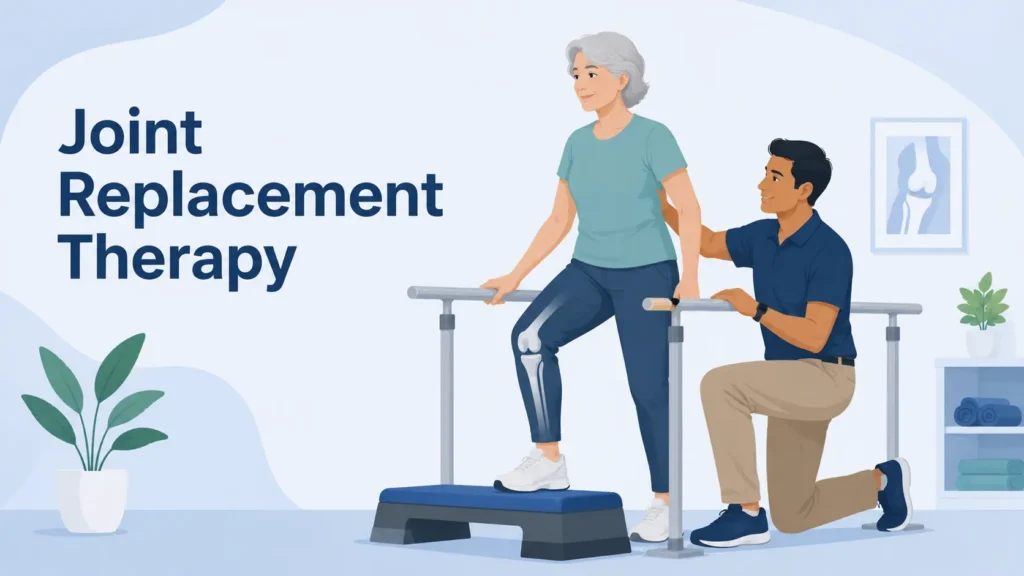
Joint replacement therapy is physical rehabilitation that helps you rebuild strength, improve movement, and work toward daily activities after joint replacement surgery. It can also begin before surgery to help you prepare for recovery.

Your physical therapist explains what to practice, guides you through exercises, and helps you use your joint as you heal. The approach depends on your surgery, your current abilities, and your surgeon’s instructions.
At Calibration Physical Therapy in Overland Park, we provide therapy before and after knee, hip, and shoulder replacement. We’ll help you understand what rehabilitation involves and build a plan around what you need to do at home, at work, and during exercise.
Who Can Benefit From Joint Replacement Therapy?
You may be preparing for an upcoming operation, starting rehabilitation after surgery, or continuing care after home health therapy. Each stage brings different questions about movement, activity, and what comes next.
An evaluation can also help if you’ve progressed through early recovery but still struggle with daily activities or feel unsure about advancing your exercises. We’ll review what you’ve already worked on, what remains difficult, and whether further physical therapy is appropriate.
Preparing for Joint Replacement Surgery
Physical therapy before surgery is called prehabilitation, or prehab. We assess your movement and strength, then guide you through exercises suited to your current abilities. These visits also give you time to ask questions about moving after surgery and discuss anything you’re worried about managing at home.
Planning ahead can make the transition home more manageable. Consider who can help with meals and transportation, and ask your surgical team what equipment you’ll need. Bring up concerns such as stairs or getting into bed so we can help you prepare and identify questions to discuss with your surgeon.
Your First Physical Therapy Visit

Your first visit gives us a chance to understand where you are in the process and what you need help with. We’ll discuss your planned or completed surgery, symptoms, and daily routine, along with any exercises you’re already doing. Tell us what feels difficult and what questions you have about moving or being active.
Bring your surgeon’s rehabilitation instructions, a current medication list, and any walker, cane, or sling you’ve been told to use. If you’ve had therapy elsewhere, bring your home exercise program too.
We assess how your joint moves and how you manage activities relevant to your recovery. What we check depends on your procedure and stage of healing, and we follow any restrictions on movement, strength testing, or putting weight through the joint.
Before you leave, we’ll explain the main treatment priorities and review what to practice at home. You’ll have time to ask how the exercises should feel, when to stop, and which changes to report.
How We Help During Recovery

Recovery involves rebuilding your ability to move and putting that movement into practice. We combine exercises, guidance for daily activities, and other treatments when appropriate, focusing on the difficulties identified during your evaluation.
Movement and Strength
Exercise helps you work on joint movement and rebuild the strength needed to use it. We choose a starting point based on your assessment and show you how to perform each exercise with control.
After a knee replacement, this may include exercises to bend and straighten your knee. Hip replacement rehabilitation may focus on hip and leg strength, along with balance. After a shoulder replacement, we follow your surgical plan for when to introduce supported movement, independent arm movement, and strengthening.
You’ll practice exercises during visits and follow a home program between appointments. We’ll review your technique and help you find a workable setup with the space and equipment you have. Tell us if an exercise is hard to follow or increases your discomfort so we can check it and make adjustments.
Everyday Activities
We help you practice the movements you need at home. After knee or hip replacement, this might include getting up from a chair, stepping onto a curb, or turning while walking. After shoulder replacement, we can work on dressing and reaching as your surgical plan allows.
If you use a walker or cane, we’ll review how you move with it. We can also discuss ways to handle tasks that currently feel awkward or tiring. Tell us where you need help and what your surroundings are like so we can make practice useful in your daily routine.
Additional Treatment Options
Alongside exercise, we may use manual therapy, a hands-on approach to working with joints and soft tissues, to address stiffness or muscle discomfort. We adapt these techniques to your stage of healing and surgical precautions.
We also offer NEUBIE therapy and dry needling. These options require individual assessment after joint replacement, including a review of your medical history and surgical guidance. If we recommend an additional treatment, we’ll explain its purpose, discuss relevant risks, and answer your questions before proceeding.
Building Toward Work and Exercise
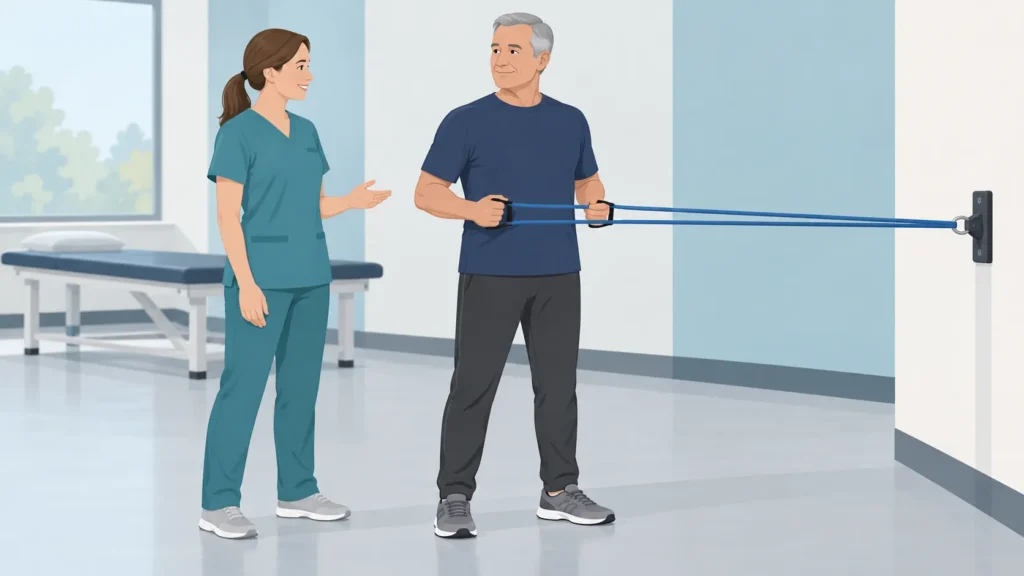
As recovery progresses, we help you prepare for activities that require more strength, endurance, or repeated movement. Tell us what your work and exercise routines involve, including how long you need to be active and whether you lift, carry, or reach.
We review your movement, strength, and response to activity to decide when to adjust your program. Depending on your goals, that might mean practicing for longer periods or gradually adding resistance. Your surgeon’s clearance and any ongoing restrictions guide your return to driving, heavier work, and sports.
If progress slows or symptoms increase, we reassess your exercises and daily activity. Your surgical team may also need to review some concerns.
Before therapy ends, we’ll review what you can continue on your own, which exercises remain useful, and how to recognize when you need further guidance.
When to Contact Your Surgical Team
Follow the postoperative instructions your surgical team provides, including guidance about your incision, medications, and activity restrictions.
Contact your surgical team promptly for:
- Fever or chills, increasing redness around the incision, or wound drainage.
- New or worsening calf pain, tenderness, or swelling.
- Pain that is increasing at rest or a sudden decline in your ability to use the operated limb.
Call 911 for sudden shortness of breath or chest pain. These can signal a serious complication. Do not wait for your next physical therapy appointment to report these symptoms.
Joint Replacement Therapy FAQs
These answers cover common questions about starting therapy, planning visits, and continuing rehabilitation.
How long does joint replacement rehabilitation take?
Rehabilitation length depends on the joint replaced, your procedure, your starting abilities, and how recovery progresses. Outpatient physical therapy may cover only part of that recovery. We review your goals and remaining difficulties to help decide when continued visits are useful and when you’re ready to manage your exercises independently.
When should I start outpatient physical therapy after surgery?
Follow the start date recommended by your surgical team. Some people begin outpatient care soon after discharge, while others receive rehabilitation in another setting first. If you’re planning surgery, ask about this beforehand so you have time to arrange appointments, transportation, and any help you’ll need.
Can I continue rehabilitation after home health physical therapy?
Yes, outpatient therapy can be a next step when you need further rehabilitation. Coordinate the transition with your home health team and confirm discharge timing and insurance requirements before starting. Bring your current exercise program so we can build on what you’ve already practiced.
How often will I need physical therapy?
Your appointment schedule depends on your evaluation, surgical instructions, and rehabilitation needs. We’ll discuss a schedule with you and review it as you progress. Let us know about transportation, work, or caregiving commitments so we can consider them when planning visits and home exercises.
Do I need a referral from my surgeon?
Referral requirements can vary, so check with the clinic and your insurance plan before your first visit. We’ll also need your surgeon’s rehabilitation instructions, including any movement or weight-bearing restrictions. Have your procedure name and surgery date available, along with any paperwork your surgical team provides.
Schedule Joint Replacement Therapy in Overland Park
If you’re preparing for joint replacement or need support with recovery, contact Calibration Physical Therapy in Overland Park. Tell us which surgery you’re planning or recovering from and what your surgical team has recommended.
Schedule an evaluation or call (913) 914-7174.