
Physical Therapy Services
Spinal Stenosis Treatment in Overland Park
Improve walking tolerance with mobility, strength, and pacing strategies that help you move with less limitation.
Service details
Spinal Stenosis Treatment in Overland Park
Spinal stenosis can make a short walk, a flight of stairs, or time spent standing feel much harder than before. Some people notice back or neck pain, symptoms that travel into an arm or leg, numbness, tingling, or weakness that increases with activity.
Physical therapy focuses on how these symptoms affect your movement and daily routines. At Calibration Physical Therapy, treatment may include movement assessment, exercise, activity modification, and practical strategies for managing tasks such as walking, lifting, exercising, or completing work and household activities.
What Is Spinal Stenosis?
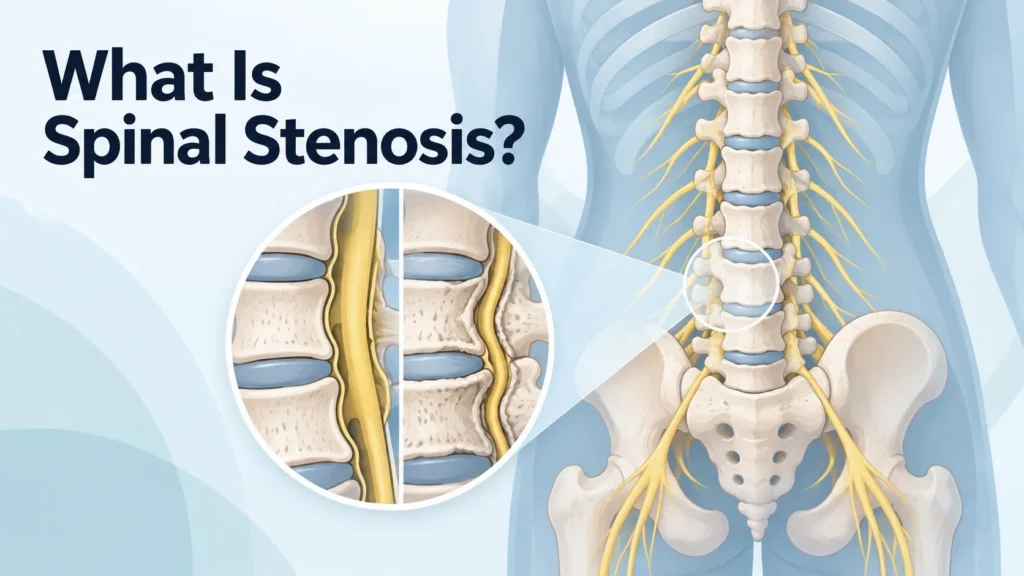
Spinal stenosis occurs when spaces within the spine narrow and press on the spinal cord or nearby nerve roots. It most often affects the lower back or neck, although symptoms depend on where the narrowing occurs.
Lumbar spinal stenosis may cause low back discomfort, symptoms into the buttocks or legs, numbness, tingling, cramping, or weakness. Cervical spinal stenosis may cause neck pain or symptoms that travel into the shoulders, arms, hands, or fingers. Some people have narrowing on imaging without having noticeable symptoms.
For some people, symptoms become more noticeable when standing or walking and ease when sitting or changing position. Others may notice symptoms during lifting, exercise, driving, or tasks that require staying in one position.
Pay attention to what brings symptoms on, what helps them settle, and whether the pattern is changing. That information can help your healthcare provider or physical therapist understand how the problem is affecting your daily activities.
What Can Cause Spinal Stenosis?
Several changes can contribute to narrowing around the spinal cord or nerve roots.
Common or possible causes include:
- Age-related changes and osteoarthritis
- A naturally narrow spinal canal
- Scoliosis or spondylolisthesis
- Rheumatoid arthritis
- Injury or trauma
- Less common conditions, including tumors
Having one of these conditions does not automatically mean spinal stenosis is causing your symptoms. A medical evaluation may be appropriate when symptoms are new, worsening, or affecting your strength, balance, walking, or daily activities.
How Physical Therapy Can Help With Spinal Stenosis

Physical therapy does not determine the underlying medical cause of spinal narrowing. It can help address the movement and functional problems that make everyday activities more difficult.
At an evaluation, your therapist may ask about:
- How long you can stand or walk before symptoms increase
- Whether sitting or changing position affects your symptoms
- Which tasks, such as stairs, lifting, driving, or household work, are difficult
- Whether numbness, weakness, or balance changes affect your activity
- Which movements or activities you have started avoiding
Treatment may also include pacing strategies. Shorter activity periods, position changes, and planned rest can help you manage demanding tasks while you work on strength and endurance.
What Your Evaluation Can Help Determine
During an evaluation, your physical therapist may look at how you move and how your symptoms respond to different activities.
| Evaluation area | Why it matters |
|---|---|
| Walking and standing tolerance | Connects symptoms to daily activity |
| Spine and joint movement | Shows which positions affect symptoms |
| Strength and endurance | Identifies limits for stairs, walking, lifting, or exercise |
| Balance and coordination | Helps assess movement safety |
| Symptom behavior | Guides activity and exercise choices |
A medical provider may also use your health history, physical examination, and imaging when determining whether spinal stenosis is contributing to your symptoms. The physical therapy evaluation helps identify movement-related limitations and practical treatment priorities.
When Physical Therapy May Be Appropriate
Physical therapy may be appropriate when spinal stenosis is affecting walking, standing, balance, exercise, or other daily activities. It may also help when you need to adjust activity, build strength, or learn how to move within your current tolerance.
Some symptoms require medical evaluation before you begin or continue physical therapy. If weakness is progressing, your walking changes quickly, or symptoms involve bladder or bowel function, contact a healthcare provider promptly.
What to Expect From Spinal Stenosis Treatment
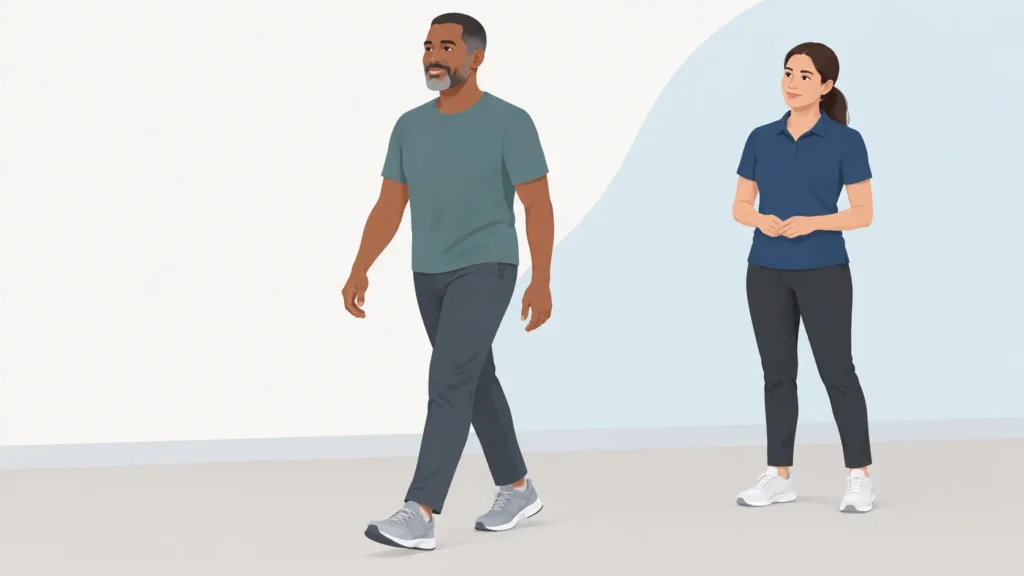
Your first visit will include a conversation about your symptoms, medical history, activity demands, and goals. The therapist may observe how you walk, change positions, use stairs, or move in ways related to your daily routine.
Treatment can include exercise instruction, movement practice, activity modification, and education about managing symptoms during work, errands, exercise, or home tasks.
Be prepared to describe the activities you want to improve, when symptoms began, and what makes them better or worse. You do not need to arrive with a complete diagnosis or a list of exercises.
Treatments That May Be Part of Your Plan
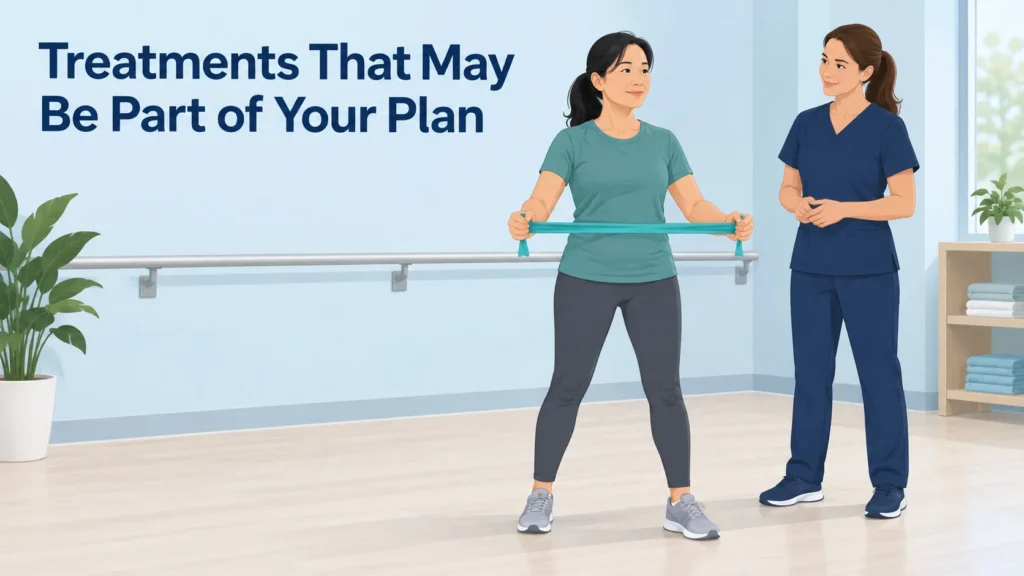
We select treatment options based on your movement findings, activity goals, and tolerance. Your plan may include one or more of the following approaches.
Personalized Exercise
Exercise may address strength, mobility, balance, endurance, or control during functional movements. Your therapist can help you practice movements that relate to walking, stairs, lifting, exercise, or other activities you want to manage more comfortably.
A plan may begin with shorter activity periods, supported movement, or exercises performed in a more comfortable position. As your tolerance changes, you can adjust the amount or type of activity.
Manual Therapy
Manual therapy uses hands-on techniques that may support movement and comfort. Calibration Physical Therapy offers Manual Therapy as one possible part of care.
It is not appropriate for every patient or every condition. Your therapist can explain whether hands-on treatment fits with the rest of your plan.
Activity Education and Other Treatment Options
Treatment may also include discussion of posture, body mechanics, and ways to change a task temporarily while you build capacity. These recommendations should relate to the activities you actually need to perform.
Calibration Physical Therapy also offers Dry Needling. Dry needling uses thin, sterile needles applied to selected muscle areas. If you consider it, your therapist should explain the procedure, expected sensations, alternatives, and why it may or may not fit your care.
Physical therapy can be coordinated with medical care when you need additional diagnosis, medication management, injections, or surgical consultation.
When to Seek Medical Attention
Tell your therapist or healthcare provider if weakness, balance changes, numbness, or walking difficulty is new, worsening, or progressing quickly.
New loss of bladder or bowel control, inability to urinate, numbness in the groin or saddle area, or rapidly worsening weakness requires urgent medical evaluation rather than a routine therapy visit.
FAQs About Spinal Stenosis Treatment
Can physical therapy help if spinal stenosis makes walking difficult?
It may help address strength, endurance, balance, movement, and activity strategies that affect walking. Treatment can also focus on how long you can walk, when symptoms increase, and how to adjust activity while building tolerance.
Do I need imaging before starting physical therapy?
Not always. A physical therapist can evaluate movement and function, but medical evaluation or imaging may be appropriate depending on your symptoms, medical history, and whether another condition needs to be ruled out.
What exercises are used for spinal stenosis?
Exercises vary from person to person. A plan may include mobility work, strengthening, balance training, endurance activities, or walking modifications. Exercises should match your symptoms, current abilities, and activity goals.
Can I start physical therapy after an injury?
That depends on the injury and your symptoms. Tell your therapist how it happened, when symptoms began, and whether you have experienced weakness, numbness, balance changes, or worsening symptoms. Some injuries require medical evaluation before physical therapy begins.
What if I am not sure spinal stenosis is causing my symptoms?
You can still discuss your symptoms with a physical therapist. The evaluation may help identify movement-related problems and whether physical therapy is appropriate. If your symptoms suggest the need for medical diagnosis or additional testing, your therapist can recommend the next step.
Schedule Spinal Stenosis Treatment in Overland Park
If spinal stenosis is making walking, standing, exercise, or daily activities more difficult, schedule an evaluation with Calibration Physical Therapy.
Schedule an Evaluation or call (913) 914-7174 to discuss your symptoms and goals.