
Physical Therapy Services
Manual Therapy in Overland Park
Hands-on joint and soft-tissue techniques that improve motion, reduce pain, and prepare you for stronger movement.
Service details
What Is Manual Therapy?
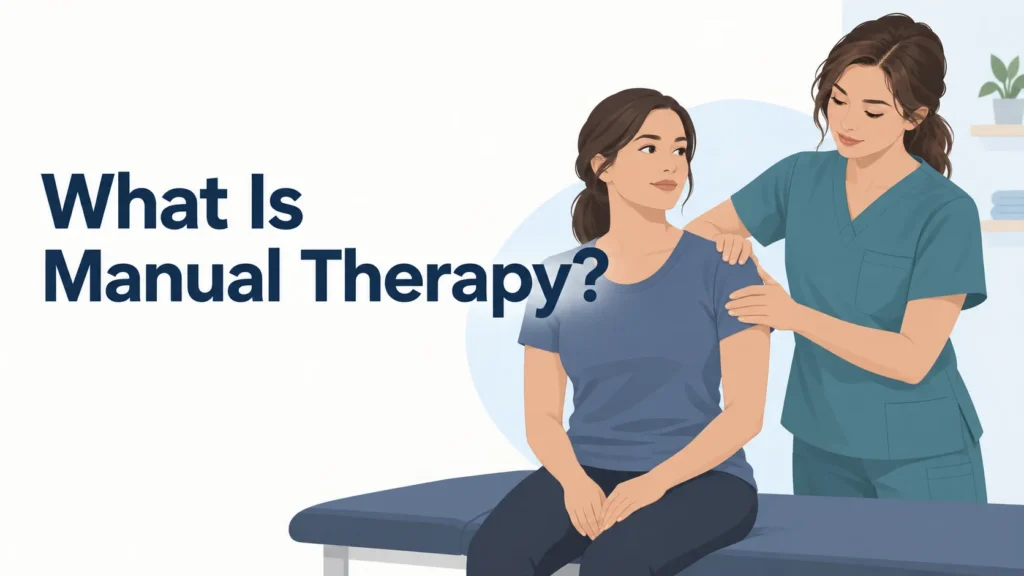
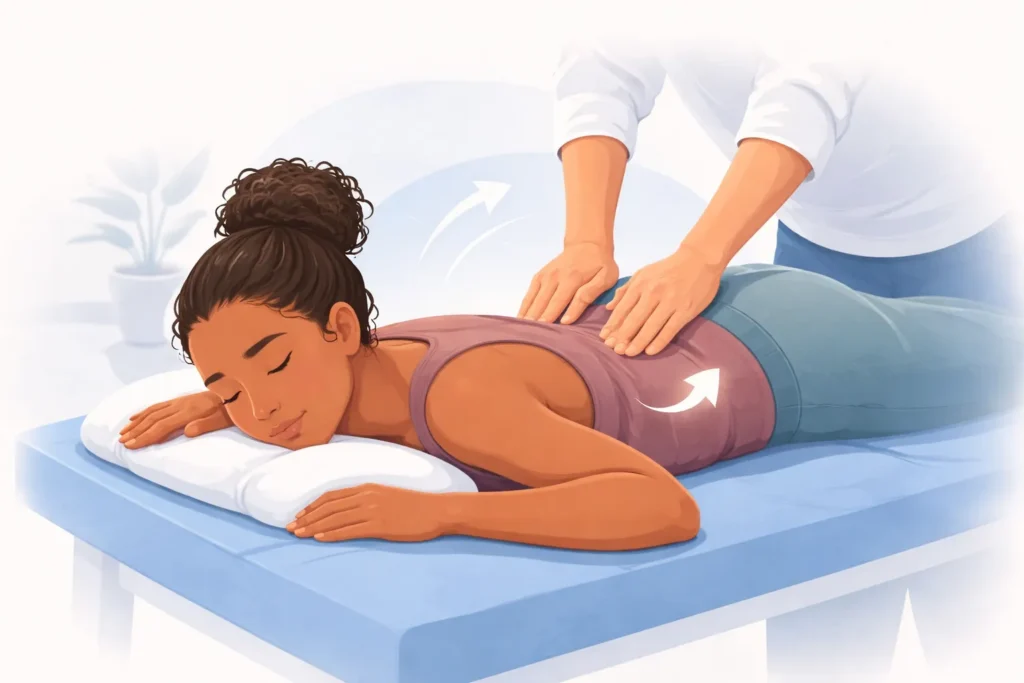
Manual therapy is a group of physical therapy treatments that use guided joint movement or pressure on muscles and surrounding tissues to address pain and stiffness. Techniques may involve the therapist’s hands, a handheld instrument, or suction cups. The choice depends on your symptoms, movement limitations, and examination findings.
At Calibration Physical Therapy in Overland Park, manual therapy may be included alongside exercise and guidance for daily activity. Hands-on treatment may help with a specific limitation, such as a stiff joint. Exercise and movement practice help you build the strength and endurance needed for daily activities.
When Manual Therapy May Be Considered
Pain and stiffness can make familiar tasks awkward or uncomfortable. Manual therapy may be considered as part of physical therapy for difficulties such as:
- Turning your head: Neck pain or restricted movement makes checking traffic difficult.
- Bending or changing positions: Back pain interferes with putting on shoes, getting out of a chair, or settling into bed.
- Getting dressed: Shoulder pain makes pulling on a shirt or reaching behind your back uncomfortable.
- Moving after an injury or surgery: Stiffness limits everyday tasks or makes rehabilitation exercises difficult.
Tell your therapist which task is difficult and what happens when you try it. Pain, limited motion, and weakness can affect the same activity but call for different treatment choices. The evaluation helps determine whether manual therapy could address part of the problem.
Manual Therapy Techniques
The techniques below differ in where and how treatment is applied. Your therapist can explain which approach they recommend and what it is intended to address. You do not need to select a technique before your appointment.
| Technique | What treatment involves | What you may notice |
|---|---|---|
| Joint mobilization | The therapist supports and moves a joint while you relax the surrounding muscles. | Small, guided movements or a stretching sensation around the joint. |
| Hands-on soft-tissue treatment | The therapist uses their hands to apply pressure or move muscles and surrounding tissues. | Steady pressure, kneading, or gentle stretching of the treated area. |
| Instrument-assisted soft tissue mobilization (IASTM) | The therapist moves a handheld instrument over the skin to apply pressure to soft tissues. | A gliding or rubbing sensation as the instrument moves over the area. |
| Cupping therapy | Cups apply suction to the skin. | A pulling sensation; temporary circular marks can remain afterward. |
Sensations differ between techniques and people, so these descriptions are a guide. Cupping is sometimes used for pain relief, but evidence supporting that benefit is limited. NCCIH’s overview of cupping explains the research and potential side effects.
What to Expect at Your Visit
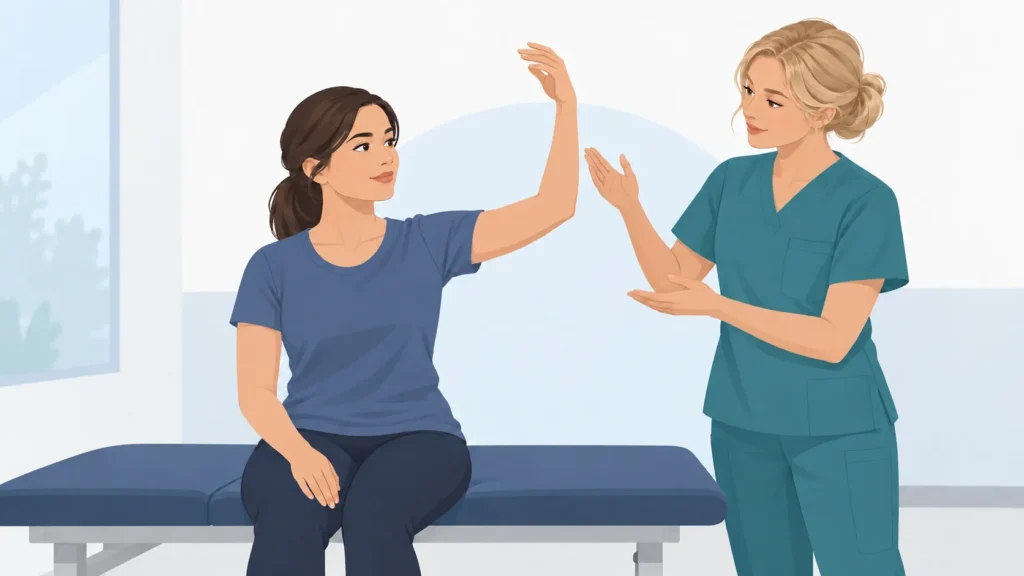
Your first visit starts with a conversation about your symptoms and how they affect your day. Describe when the problem began, what makes it better or worse, and anything you have stopped doing because of it. Details such as discomfort that builds during a walk or pain that interrupts sleep help explain what you are experiencing.
Your therapist may check how far a joint moves, test strength, and watch you perform a difficult movement. They may compare how you move on each side or ask you to try a different position. Share any previous treatment you have tried and whether it changed your symptoms.
The assessment guides care recommendations. Ask what the findings mean, which problems treatment will focus on, and why a particular approach is being suggested. Your first visit may include manual therapy, depending on the assessment and recommendations. Some findings may call for further medical assessment before treatment proceeds.
During a Manual Therapy Session
If manual therapy is recommended and you agree, your therapist will explain the technique and help you get into position. You may sit or lie down with the treatment area supported. Let them know if the position puts pressure on another uncomfortable area or makes it difficult to relax.
Your therapist can guide you on when to relax and when to move. Ask if you are unsure what to do or what you should be feeling.
Afterward, you may repeat a movement from the assessment to check for an immediate change. Your therapist may then guide you through an exercise or movement practice related to the same difficulty.
How Manual Therapy Fits Into Your Recovery
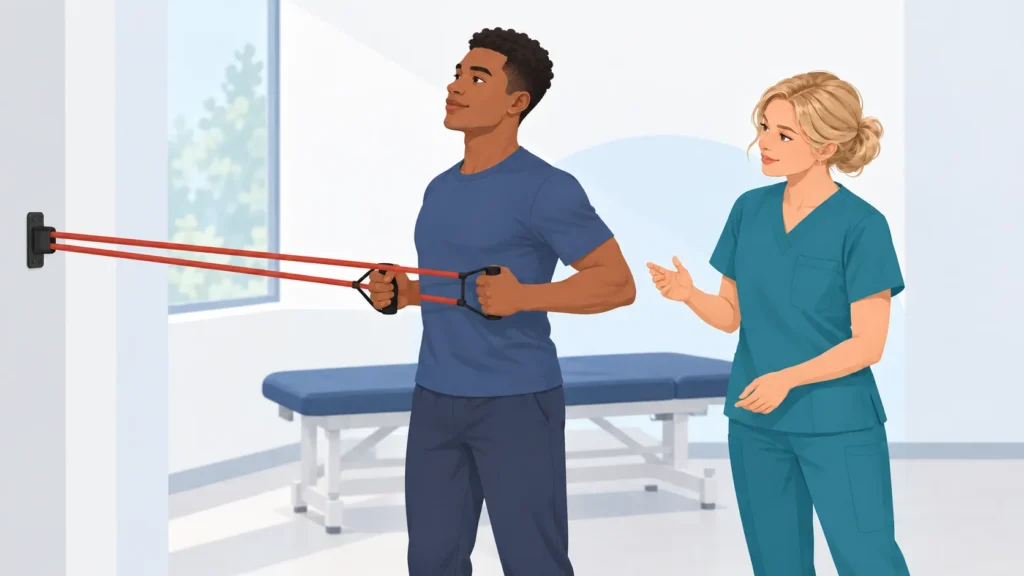
Easier movement after hands-on treatment can create an opportunity to work on a difficult activity. That activity may still require strength, endurance, or coordination that manual therapy alone does not build.
For example, a person with a stiff shoulder might reach higher after treatment but still struggle to place a dish on a shelf. Rehabilitation could include practicing the reach, then gradually adding weight or repetitions as tolerated. Reaching once, lifting something, and repeating the task while putting dishes away place different demands on the shoulder.
You can adjust exercise to match those demands. Your therapist may change the resistance, range of movement, or amount of practice as you become more capable. Guidance about pacing can also help you manage a task that is comfortable at first but becomes difficult with repetition. This combination reflects the American Physical Therapy Association’s description of physical therapy as hands-on care, patient education, and prescribed movement.
The balance of treatment can change over time. Some appointments may include manual therapy; others may focus on exercise or returning to a particular activity. The aim is to make everyday tasks more manageable and give you a clear plan for practicing between visits.
Safety and Comfort Considerations
Before hands-on treatment, share health information that could affect the technique or area being treated. Tell your therapist about:
- Recent surgery or a fracture, including restrictions from your medical team.
- Osteoporosis or another condition that weakens bones.
- Blood-thinning medication or easy bruising.
- Open wounds, irritated skin, or an infection near the treatment area.
These concerns may require a different approach or postponing treatment in a particular area. Bring any postoperative instructions so your therapist can follow your surgeon’s restrictions.
Let your therapist know how the pressure or stretching feels throughout treatment. Tell your therapist about sharp pain, tingling, numbness, or increasing discomfort so they can stop or adjust the technique. You can also request a different position or ask to end treatment.
Before leaving, ask what effects to expect, how long they might last, and when to contact the clinic. Report a significant or persistent increase in symptoms rather than assuming it is part of recovery. New or unexplained symptoms may need medical assessment before treatment continues.
Manual Therapy FAQs
These answers can help you prepare for treatment and understand what to do between visits.
Is manual therapy the same as massage?
Some techniques overlap with massage because they involve pressure on muscles and surrounding tissues. Manual therapy also includes joint mobilization. In physical therapy, the technique is chosen to address a problem identified during your assessment, such as limited motion that interferes with an activity.
What should I wear?
Choose clothing that allows you to move freely and makes the treatment area accessible. Shorts may be useful for a knee assessment, while a loose shirt may work for a shoulder concern. If you are unsure, ask the clinic and discuss any clothing or privacy preferences before treatment begins.
Can I receive physical therapy without hands-on treatment?
Yes. Tell your therapist if you prefer exercise, movement practice, and education without hands-on care. Ask how that preference affects the recommendations for your situation. You can decline a technique or change your mind during treatment, even if you have received it before.
What should I do between appointments?
Follow the exercise and activity instructions your therapist developed with you. Before leaving, check that you know how often to practice, how much to do, and what symptoms should prompt you to stop or ask for advice. If work, equipment, or time makes the plan difficult to follow, explain the obstacle so you can discuss an adjustment.
How will we decide whether manual therapy is helping?
Track a task that matters to you, such as completing a work activity or an exercise. Notice whether it becomes easier, whether you can do more, and how long any improvement lasts. Share temporary relief, no change, or worsening symptoms. Together with repeat movement checks, this information helps your therapist decide whether to continue, adjust, or stop a technique.
Schedule a Manual Therapy Evaluation in Overland Park
If pain or stiffness is making daily activities difficult, an evaluation at Calibration Physical Therapy in Overland Park can help you understand your options, including whether manual therapy could be part of treatment. Schedule an Evaluation or Call (913) 914-7174 to get started.