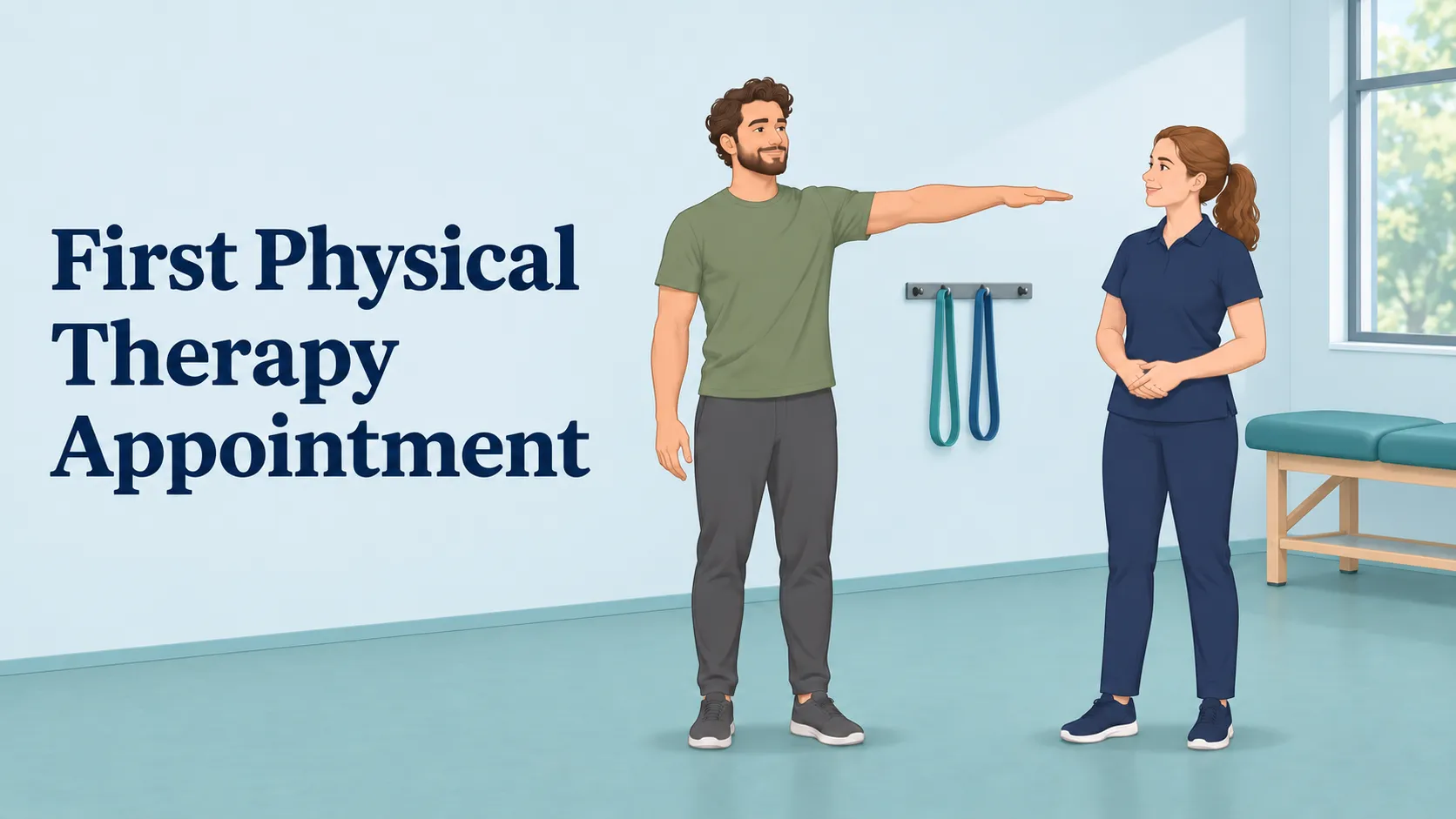
Your first physical therapy appointment is usually an evaluation. Expect a conversation about your symptoms, an examination of how you move, and a discussion of next steps. Treatment may begin that day, but the first priority is understanding what is limiting you and what you want to get back to doing.
Preparing does not require a workout or a diagnosis of your own. Knowing what to wear, what information to bring, and which questions to ask can make the visit easier.
What Happens at Your First Physical Therapy Appointment?
A physical therapy evaluation connects your symptoms with the movements and activities that are difficult for you. Your therapist uses that information to recommend a plan and establish a starting point for measuring progress.
A conversation about your symptoms and goals
Expect questions about when the problem began, whether it followed an injury or surgery, and how it changes throughout the day. Previous treatment, health conditions, and medications can also affect the evaluation.
Specific examples help. Instead of only saying that your shoulder hurts, explain whether it interrupts sleep, makes putting on a jacket difficult, or limits lifting at work. If symptoms come and go, describe a typical difficult day as well as how you feel at the appointment.
An examination of movement and function
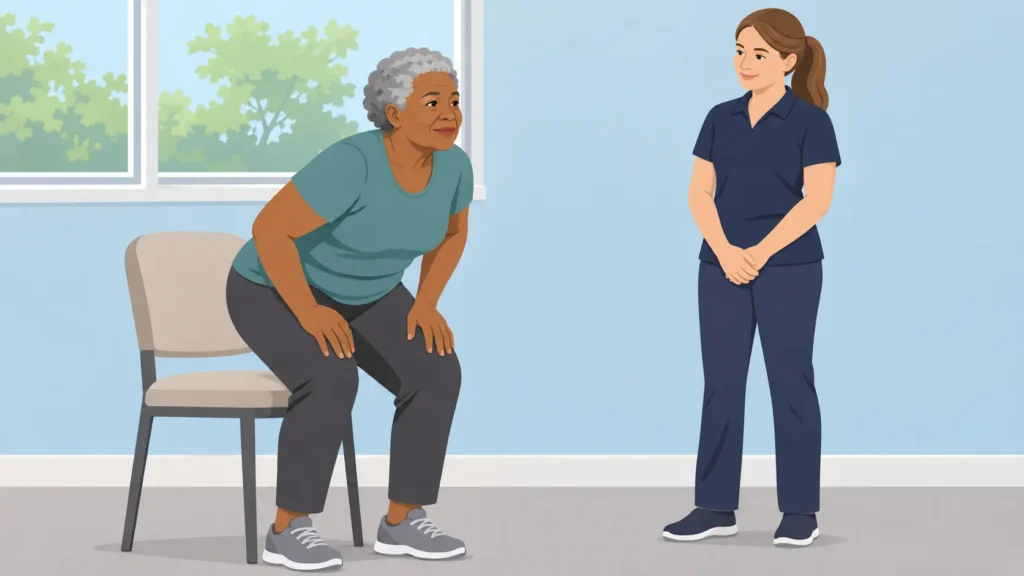
Your therapist may assess joint motion, strength, balance, walking, or a task such as reaching or standing from a chair. The examination should fit your situation; someone recovering from knee surgery will not necessarily have the same assessment as someone with neck pain.
Measurements give your therapist a baseline to compare with later visits. For example, if reaching overhead is difficult, they may record how far you can lift your arm and what you feel during the movement. Progress can then be assessed against that starting point as well as your experience at home.
You can ask what a test is checking and tell your therapist when a movement reproduces your symptoms. Describe where you feel it and whether it resembles your usual problem. If you need a break or do not feel comfortable with a test, say so before continuing.
An explanation of the findings and next steps
Before you leave, you should have an opportunity to discuss what the therapist found, the goals of treatment, and what to do between visits. Your first session may include exercises, education, or manual therapy, depending on the findings.
Ask why a treatment is being recommended and what change it is intended to support. A particular technique or device is not a requirement for every first visit.
You may leave with a small number of exercises or changes to try in your daily routine. Before leaving, check that you understand how to do them, how often to practice, and what to do if they increase your symptoms. If something feels confusing in the clinic, it is worth asking for another demonstration.
How to Prepare for a Physical Therapy Appointment
A little preparation helps you explain the problem without having to remember everything on the spot.
Choose one or two activities you want to improve
“Improve mobility” is a reasonable goal, but a specific activity gives it meaning. You might want to walk the dog around the block, sit through a meeting, or return to a particular lift at the gym.
Think about what currently stops you: pain during the activity, stiffness afterward, weakness, or uncertainty about whether it is safe. You do not need to solve the problem before the appointment, just describe it.
Make a few notes about your symptoms
Record when symptoms started, what tends to bring them on, and what you have already tried. If a previous treatment helped only briefly, include that detail.
You do not need to provoke pain to demonstrate it or repeatedly test a movement beforehand. Describe your usual experience and let your therapist guide the examination.
Complete paperwork and check the visit details
Review the clinic’s instructions for arrival time, forms, and records. If completing forms online is difficult, contact the office so you can make another arrangement.
This is also a good time to ask about parking, building access, or communication needs. If remembering details is difficult, bringing a family member or trusted friend may help you keep track of the conversation. Check with the clinic about having someone join you.
What to Wear to Physical Therapy
Wear clothing that allows comfortable movement and access to the area being examined. Stretchy or loose-fitting clothes are usually more practical than restrictive jeans or fitted work clothes.
| Area being evaluated | Clothing to consider |
|---|---|
| Knee or lower leg | Shorts or loose pants that can be raised comfortably above the knee. |
| Shoulder or upper arm | A loose shirt or sleeveless top that allows you to reach and access your shoulder. |
| Hip or back | Comfortable bottoms and a top that allow bending and changing position. |
| Walking or balance concerns | The shoes you normally walk in, plus any prescribed walking aid. |
Bring a change of clothes if needed. If you are unsure what will work, ask the clinic when you book.
You can also discuss privacy and draping before an examination begins. Clothing recommendations should help you participate comfortably; tell your therapist if a position or request makes you uncomfortable.
What to Bring to Your First Physical Therapy Visit
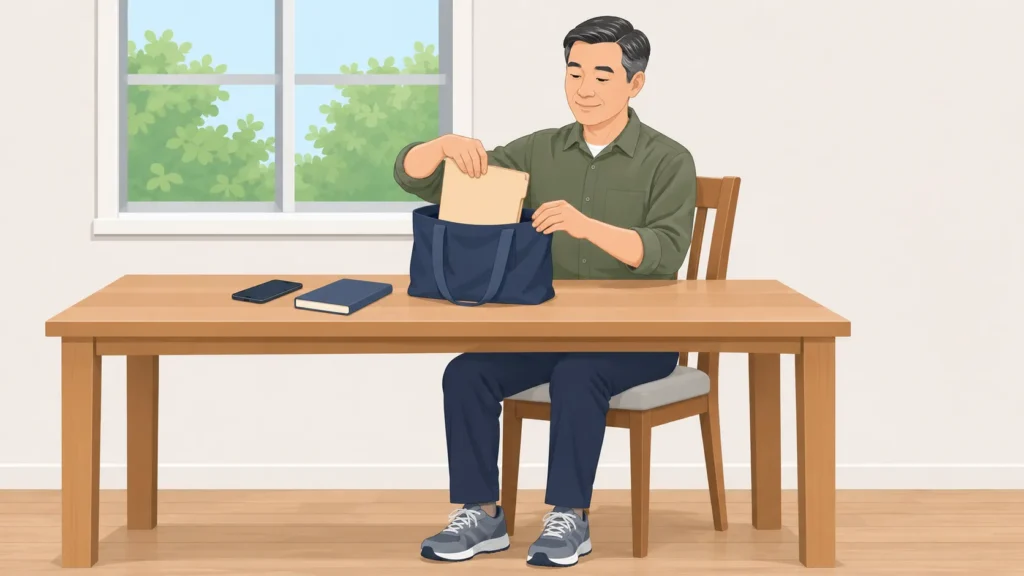
Check your appointment instructions rather than assuming every clinic requires the same paperwork. Common items include:
- Identification and insurance information, along with a payment method if requested.
- A medication list, including relevant supplements and over-the-counter medicines.
- Existing records related to the problem, such as a referral, imaging report, or instructions from your surgeon.
- Equipment you currently use, such as a brace, cane, or walker.
Bringing the brace or walking aid you already use lets your therapist see how it fits into your usual movement. If your symptoms relate to running or another sport, ask whether bringing your activity-specific shoes would be useful, too.
For records, ask whether they should be sent ahead or whether the clinic can request them. After surgery, any instructions about weight bearing, bracing, or restricted movement are particularly useful to have available. If you are missing a document, call to find out whether it is needed before the visit.
Questions Worth Asking Before You Leave
The most useful questions connect the evaluation with what happens afterward:
- What are our first treatment goals? Ask what improvement would look like in an activity that matters to you.
- What should I do at home? Have your therapist explain or demonstrate anything you are expected to practice.
- How should I respond if symptoms change? Ask what response is expected and when you should contact the clinic.
- When will we reassess progress? Discuss how you will decide whether to continue or adjust the plan.
Mention practical barriers, too. If a home program needs equipment you do not own or takes more time than you can manage, say so before leaving.
First Physical Therapy Appointment FAQs
How long does the first appointment take?
Around an hour is a useful general planning estimate, but confirm the actual appointment length with your clinic. Ask whether check-in time is separate from the evaluation, especially if you need to arrange transportation or return to work. Follow-up visits may be scheduled differently, so check their length separately rather than assuming every appointment will take the same amount of time.
Will I exercise at the first appointment?
You may perform movements or exercises during the evaluation or initial treatment. You do not need to train beforehand or arrive ready for a strenuous workout. Tell your therapist about any activity restrictions you have already been given.
Do I need an X-ray or MRI before starting physical therapy?
Do not assume you need new imaging just to attend. Ask the clinic which existing records are relevant. Your therapist can discuss whether further medical assessment may be appropriate based on the evaluation.
Do I need a referral?
Confirm this with the clinic before your visit. Being able to see a physical therapist without a referral does not automatically mean your insurance will cover the visit without one. Ask the office whether your plan requires a referral or prior authorization, and what you may owe for the evaluation. Sorting out those questions beforehand can help you avoid unexpected delays or costs.
What if I feel better on the day of my appointment?
Explain what symptoms are usually like, how often they return, and which activities remain difficult. Notes from a typical day can help. You don’t need to hurt yourself before arriving.
Schedule Your First Physical Therapy Appointment in Overland Park
If pain, stiffness, or difficulty moving is interfering with your day, Calibration Physical Therapy can evaluate your concerns and discuss.
Contact our team with questions about preparing, or schedule a physical therapy evaluation.
Tags

About the Author
Dr. Traci Smiley, DPT
Traci is a licensed physical therapist and owner of Calibration Physical Therapy, serving the Kansas City area. A Board-Certified Orthopedic Clinical Specialist with advanced training in manual therapy and strength conditioning, she helps individuals overcome pain and return to what they love.