
Physical Therapy Services
Sports Injury Treatment in Overland Park
Recover from sports injuries with focused rehab for pain, strength, movement control, and a confident return to activity.

Service details
Sports Injury Treatment in Overland Park
A sports injury can affect more than workouts or competition. Pain, stiffness, weakness, or uncertainty about movement may make it harder to walk, climb stairs, lift, work, exercise, or return to the activities you enjoy.
Calibration Physical Therapy provides sports injury treatment focused on movement, function, and your activity goals. Your physical therapist will evaluate how your symptoms affect the activities that matter to you and help determine an appropriate plan for rehabilitation and a gradual return to activity.
Physical Therapy for Sports Injuries
Sports injury treatment in physical therapy may help address movement and function after an injury or activity-related problem. It can be appropriate for competitive athletes, recreationally active people, people returning to exercise, and anyone whose injury affects work or daily activities.
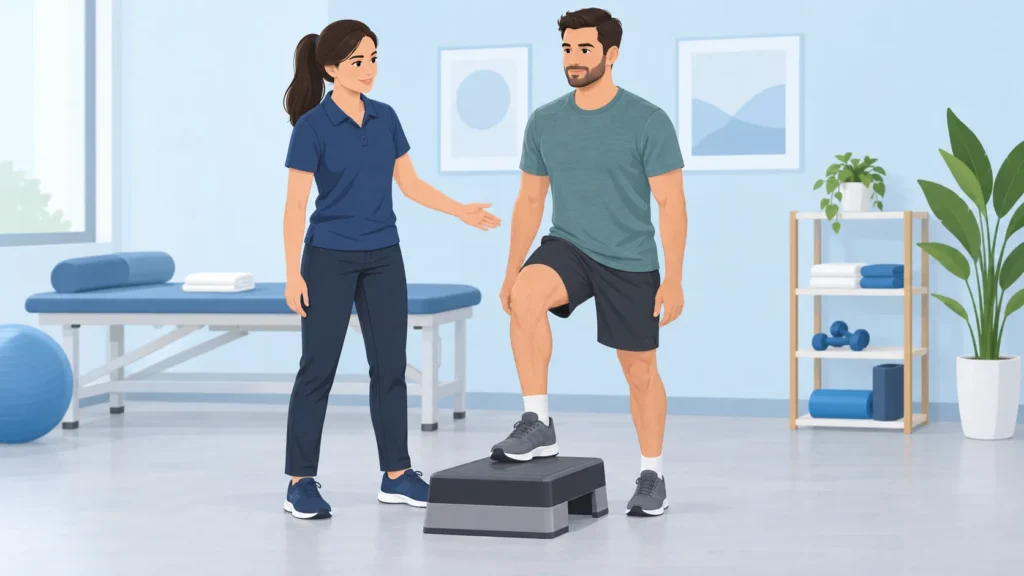
Your physical therapist may assess movement, strength, mobility, balance, coordination, and how your symptoms respond to specific activities. These findings can help identify areas to address during care and guide decisions about exercise, activity modification, and progression.
Physical therapy focuses on movement and function. It does not replace medical diagnosis, imaging, fracture management, surgery, or restrictions from another healthcare professional. If your symptoms suggest you need additional medical evaluation, your physical therapist can help identify the next step.
When Sports Injury Treatment May Be Considered
You may consider physical therapy after an injury or when symptoms continue to interfere with activity. Sports injury treatment may be appropriate if you are experiencing:
- Pain during or after exercise
- Stiffness that limits movement
- Weakness after an injury or period of rest
- Difficulty returning to running, jumping, lifting, or sport-specific movement
- Symptoms that return when you increase activity
- Pain that affects walking, stairs, work, or household tasks
- Reduced balance, coordination, or confidence with movement
Sports injury treatment is not limited to competitive athletes. You may benefit from physical therapy after a recreational activity, while returning to the gym, during a school sport, or when an injury affects a physically demanding job.
Your plan should account for more than one activity. Depending on your goals, treatment may support tasks such as carrying equipment, completing a workday, climbing stairs, lifting, sleeping comfortably, or returning to a favorite form of exercise.
What Your Physical Therapy Evaluation Can Assess
During an evaluation, your physical therapist will discuss what happened, how your symptoms have changed, and what you want to return to. You may also talk about movements that increase or reduce your symptoms and activities you have stopped, changed, or found more difficult.
Your physical therapist may assess movement, strength, mobility, balance, coordination, and functional control. The evaluation helps identify what may be limiting your activity and whether physical therapy is an appropriate part of your care.
If your symptoms require medical evaluation or care outside the scope of physical therapy, your physical therapist can discuss that with you and recommend an appropriate next step.
What to Expect From Sports Injury Treatment at Physical Therapy
Your first visit will include a conversation about your symptoms, injury history, activity needs, and goals. Be prepared to describe the activities that matter most to you, such as running, lifting, work, exercise, or a particular sport.
Your physical therapist may guide you through movements or functional tasks to assess your current abilities. You may discuss which activities need modification and what a gradual return to activity could involve, based on your symptoms, function, and response to treatment.
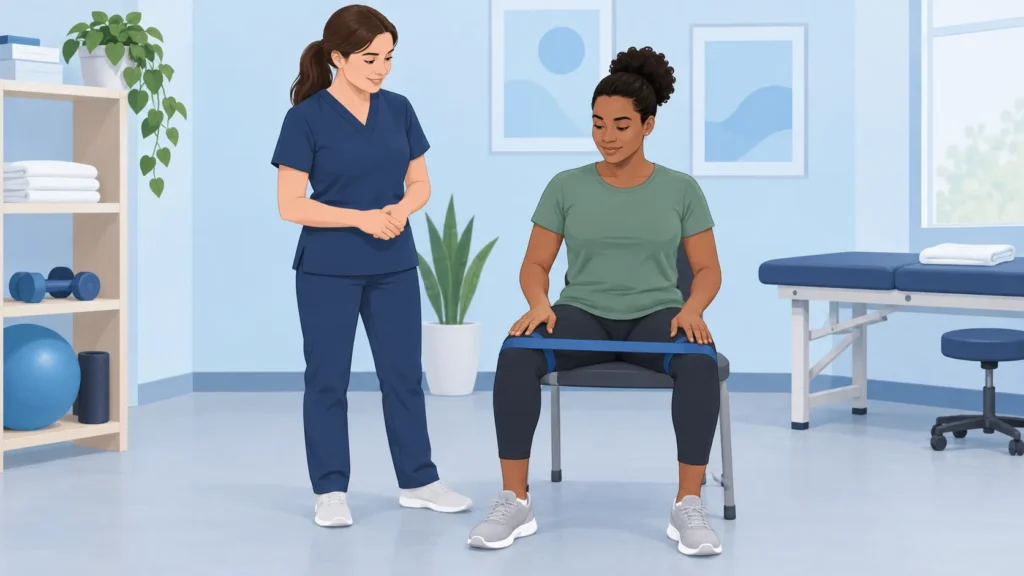
During a Sports Injury Treatment Session
Treatment may include therapeutic exercise, mobility work, strengthening, balance or coordination activities, movement retraining, and education. The focus depends on your evaluation and the activities you want to resume.
For example, someone returning to running may work on a different progression than someone returning to lifting, tennis, or a physically demanding job. Your physical therapist will explain how each activity fits into your plan and how to monitor your response as activity increases.
Tell your physical therapist if an exercise or activity causes a concerning change in symptoms. The plan can then be reviewed and adjusted when appropriate.
How Sports Injury Treatment May Fit With Other Physical Therapy Care
Sports injury treatment may include several types of physical therapy care during rehabilitation. Exercise can address strength, mobility, endurance, balance, or movement control, while activity-specific practice can help you prepare for the demands of work, exercise, or sport.
Your physical therapist may also discuss ways to modify an activity while you build tolerance. That may involve changing the amount, intensity, frequency, or type of activity for a period of time. The goal is to identify an appropriate level of movement and progress when your symptoms and function support that change.
Your care may also include other treatment approaches when they are relevant to your evaluation and goals. No single treatment method fits every injury, and your plan may change as your movement and activity needs change.
If you are receiving care from another healthcare professional, tell your physical therapist about relevant instructions, restrictions, procedures, or changes in your condition. Coordination can help keep your physical therapy plan consistent with the rest of your care.
Safety Considerations
Tell your physical therapist about changes in pain, swelling, weakness, numbness, balance, or function. Also mention if symptoms begin affecting normal tasks or if an activity feels substantially different from what you expected.

Follow medical restrictions and post-procedure instructions from your healthcare team. Coordinate physical therapy with those recommendations.
Seek prompt medical attention for a serious injury, rapidly worsening symptoms, severe weakness, loss of function, or another concerning change. Physical therapy is not a substitute for emergency care.
FAQs About Sports Injury Treatment
When should I see a physical therapist for a sports injury?
Consider physical therapy when pain, stiffness, weakness, or reduced movement limits exercise, sport, work, or daily activities. Physical therapy may also be appropriate when symptoms continue after an injury or return each time you increase activity. If you are unsure whether you need medical evaluation first, contact an appropriate healthcare professional.
Is sports injury treatment only for competitive athletes?
No. Physical therapy may help people who participate in recreational sports, exercise at a gym, run, attend fitness classes, or perform physically demanding work. Treatment is based on your current function and goals, not whether you compete.
What happens during the first sports injury treatment visit?
Your physical therapist will discuss your symptoms, injury history, activity needs, and goals. The visit may also include movement, strength, mobility, balance, or functional assessments. Based on the evaluation, you will discuss whether physical therapy is appropriate and what the next steps may include.
Can physical therapy help me return to exercise?
Physical therapy can help you address movement limitations and build tolerance for activities that matter to you. Your plan may include gradual strengthening, mobility work, movement practice, and activity modifications. The timing and progression depend on your evaluation, symptoms, response to treatment, and any medical restrictions.
Should I see a medical provider before starting physical therapy?
That depends on your symptoms, injury history, location, insurance, and circumstances. A physical therapist can evaluate movement and function, but physical therapy does not replace medical diagnosis, imaging, or other medical services when they are needed. Contact the clinic if you are unsure where to begin or have questions about referral and insurance requirements.
Schedule a Sports Injury Treatment Evaluation
If an injury or recurring symptom is making it harder to exercise, work, walk, lift, or participate in the activities you enjoy, a physical therapy evaluation can help you understand your options.
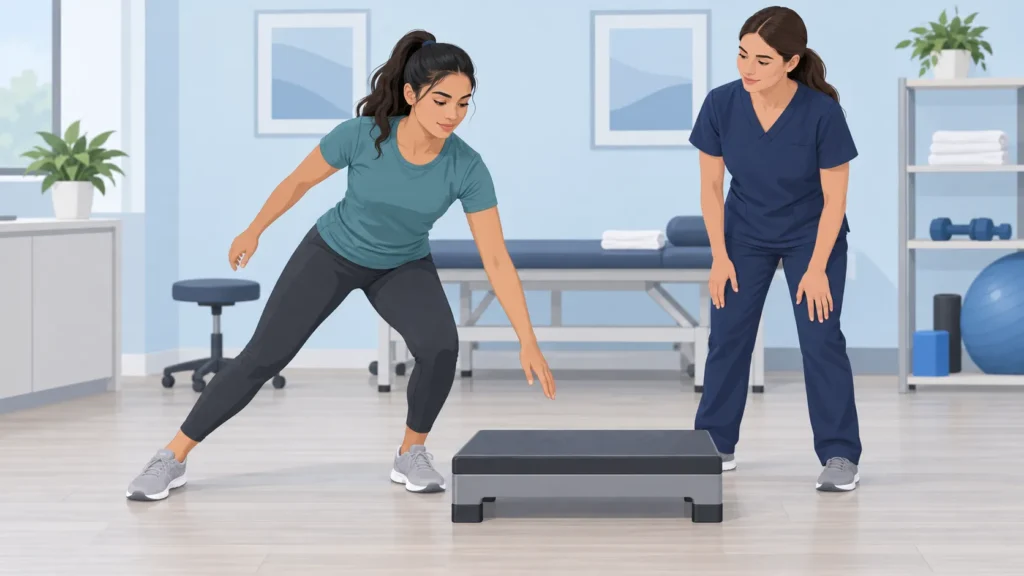
Calibration Physical Therapy can discuss your goals, evaluate your current function, and determine whether sports injury treatment is appropriate for your situation. Contact the clinic to schedule an evaluation and confirm your current appointment, referral, and insurance information.