
Physical Therapy Services
Osteoarthritis Treatment in Overland Park
Stay active with exercise-based care for stiffness, pain, and joint load so movement feels stronger and more sustainable.

Service details
What Is Osteoarthritis?
Osteoarthritis is a common joint condition that can cause pain, stiffness, swelling, and reduced movement. It often affects the knees, hips, hands, or spine. Symptoms may be more noticeable after sitting, when climbing stairs, during a walk, or while completing tasks that require bending, gripping, or lifting.
The condition develops as joint tissues change over time. Symptoms can affect how you move and how much activity you can manage, but they don’t always follow the same pattern from day to day.

Physical therapy can help you understand how osteoarthritis is affecting your movement and build a plan around the activities that matter to you. Treatment may focus on strength, mobility, activity tolerance, and practical ways to manage tasks more comfortably. It does not reverse osteoarthritis or rebuild lost cartilage, but it can support your ability to stay active and work toward meaningful movement goals.
Calibration Physical Therapy provides individualized osteoarthritis rehabilitation in Overland Park. Your therapist will use your concerns, movement assessment, and goals to help determine which types of care may be appropriate.
How Physical Therapy Can Help With Osteoarthritis
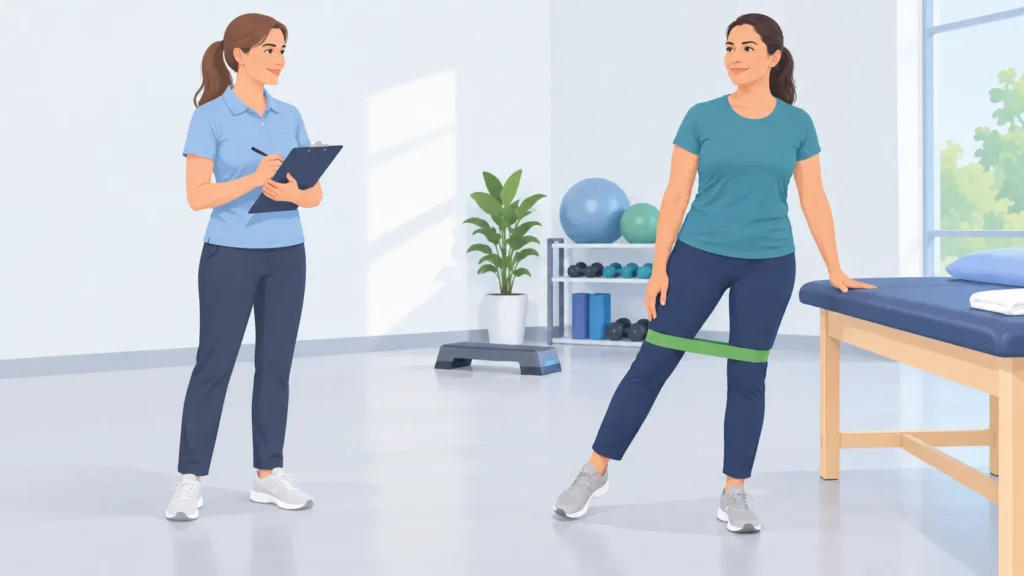
Physical therapy may help when joint pain or stiffness starts changing how you move throughout the day. You may notice it when standing from a chair, climbing stairs, walking through a store, getting in and out of a car, completing household tasks, or returning to exercise.
Treatment focuses on the movement problems identified during your evaluation. Your plan may include strengthening the muscles that support the affected joint, improving mobility, practicing important daily tasks, and adjusting activity so you can keep participating while building tolerance.
For example, your therapist may help you practice standing from a chair, break a household task into manageable steps, or adjust an exercise so you can perform it safely and consistently. The right approach depends on the joint involved, your current abilities, and what you want to do more comfortably.
If your main concern is knee pain or back pain, mention any previous injuries, recent changes, or existing diagnoses during your evaluation. This information helps your therapist understand your situation and determine whether physical therapy is appropriate.
When Joint Pain and Stiffness Affect Your Day
You may be considering physical therapy because a familiar task now requires extra effort, a different technique, or more recovery time. You don’t need an ambitious fitness goal to have a meaningful reason to seek care.
The activities affected can depend on the joint involved:
- Knees: Stairs, standing from a low seat, kneeling, or longer walks may become difficult.
- Hips: Getting into a car, putting on shoes, or moving after prolonged sitting may feel restricted.
- Hands: Opening containers, gripping cookware, or handling small objects may become uncomfortable.
- Spine: Neck or back stiffness may interfere with turning, bending, or maintaining a comfortable position.
These examples can help you describe your concerns, but they do not establish the cause of your symptoms. Other conditions can affect the same activities.
If your main concern is knee pain or back pain, bring up any previous injuries, recent changes, or existing diagnoses so your therapist has that context.
What to Expect at Your Evaluation
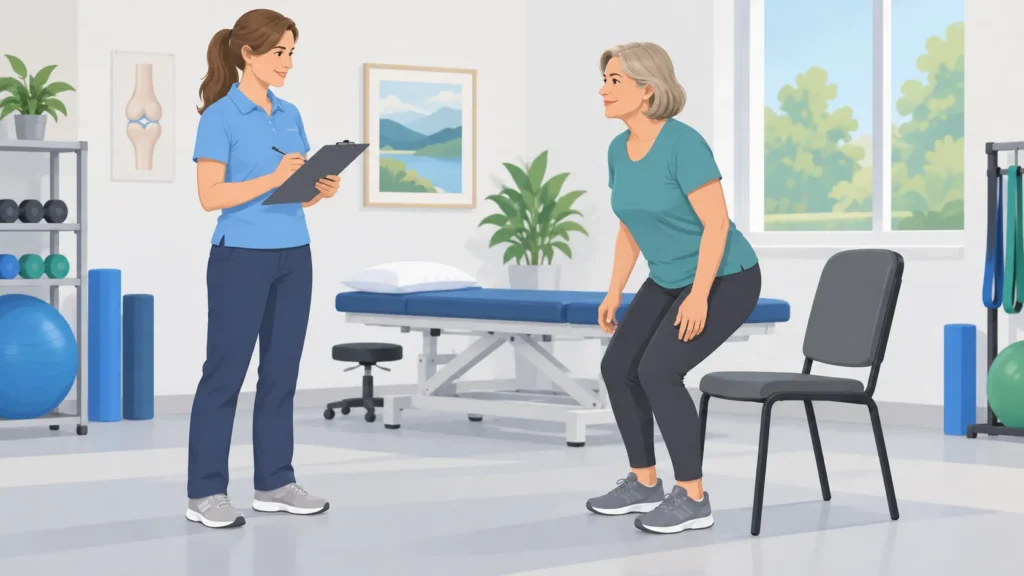
Your first visit begins with a conversation about what has changed and what you would like to do more comfortably. Be ready to describe when your symptoms began, what brings them on, how long they last, and whether they affect your sleep, work, exercise, or home responsibilities.
Your therapist will assess the affected joint’s movement and the strength of the muscles that support it. Depending on your concerns, the evaluation may also include watching you walk, stand from a chair, use stairs, reach, bend, or perform another task that is important to you.
Wear clothing that allows you to move comfortably. Bring information about previous injuries, surgeries, treatments, medical instructions, or activity restrictions. Imaging reports can provide useful context, but the evaluation also considers how you move and function now.
You and your therapist can then identify practical goals, such as walking farther, using stairs, returning to a favorite activity, or completing household tasks with fewer interruptions. If your symptoms suggest that another type of medical assessment is needed, your therapist can explain that next step.
What Your Osteoarthritis Treatment May Include
Your treatment plan will depend on the joint involved, your current abilities, and the activities you want to manage. It may combine active exercise, movement practice, education, and other supportive techniques instead of relying on one approach.
| Part of treatment | What it may involve | How it may connect to daily life |
|---|---|---|
| Strengthening | Exercises for the muscles that support and move the affected joint | Building support for activities such as stairs, walking, lifting, or standing |
| Mobility work | Gentle movements that address stiffness or limited range of motion | Making it easier to bend, reach, turn, or get moving after sitting |
| Functional practice | Practicing a task, breaking it into steps, or adjusting how you perform it | Working on movements such as getting out of a chair, entering a car, or carrying items |
| Hands-on care | Manual therapy when it is appropriate for the joint and used alongside exercise | Supporting movement during a broader active treatment plan |
Your therapist may adjust the resistance, movement range, repetitions, or support based on how you respond. You should understand what each part of your plan is intended to address and how to perform any recommended exercises at home.
For hip or knee osteoarthritis, you may consider manual therapy alongside therapeutic exercise. It supports care and does not replace active treatment. NICE treatment recommendations also recommend explaining that manual therapy should not be used alone to manage osteoarthritis.
Staying Active Between Visits

Your home program should fit your routine and include clear instructions on which exercises to do, how often, and when to adjust them. Before leaving a visit, make sure you know which activities to prioritize and what to do if an exercise feels too difficult.
Pacing can help you stay involved in daily life while you build tolerance. You might divide a longer household task into shorter periods, alternate heavier and lighter activities, or take planned breaks before symptoms become difficult to manage. The goal is to keep participating without repeatedly pushing beyond what your body can handle that day.
At follow-up visits, tell your therapist how your exercises and activities went. You can mention which tasks felt easier, which still required extra effort, and whether symptoms changed afterward. This information helps your therapist decide whether to progress an exercise, modify it, or choose another approach.
Progress may mean walking farther, completing a household task with fewer breaks, standing more comfortably, or returning gradually to an activity you enjoy. It doesn’t have to be measured only by pain levels. This NHS guide explains pacing and managing flare-ups.
When to Discuss New or Worsening Symptoms
Tell your therapist if you notice increasing swelling, repeated giving way, a significant change in your usual pain, or difficulty with an activity that you could previously manage. A new symptom may need a different type of assessment rather than a change to your exercise plan.
Seek urgent medical attention for a joint that is hot and swollen, especially if you also have a fever or feel generally unwell. Severe pain after an injury, a joint that looks out of place, or a sudden inability to walk or bear weight also requires prompt assessment.
For familiar exercise-related discomfort, ask your therapist when to reduce, pause, or modify an activity. Do not push through a substantial or unfamiliar change without discussing it. See NHS guidance on joint pain warning signs.
FAQs About Osteoarthritis Physical Therapy
Do I Need an X-Ray Before Starting Physical Therapy?
Not necessarily. Imaging is not always needed before beginning nonsurgical osteoarthritis care. A medical provider may recommend an X-ray or another assessment when symptoms are unusual, another condition is possible, or imaging would help guide a treatment decision. Your therapist can discuss whether you should seek additional medical evaluation.
Can Physical Therapy Help if I Am Considering Joint Replacement?
Physical therapy may be part of nonsurgical care while you discuss your options with your physician. It may also help you maintain movement and strength before surgery, when appropriate. Physical therapy cannot determine whether you need a joint replacement or guarantee that surgery will be unnecessary. Those decisions belong with you and your surgeon.
If surgery is planned, rehabilitation follows a separate plan based on your surgeon’s instructions and postoperative restrictions. Learn more about joint replacement therapy and treatment options from the American Academy of Orthopaedic Surgeons.
How Long Will I Need Physical Therapy?
No one can promise a single treatment length before an evaluation. Your therapist can discuss an initial plan based on your symptoms, movement, and goals, then review whether continued visits remain useful. Ask what progress will be measured and what you should be able to manage more independently.
Can I Start Physical Therapy During an Osteoarthritis Flare-Up?
A familiar flare does not always mean you need to postpone care. Contact the clinic and describe what has changed. Your therapist may adjust the amount or type of exercise, while unfamiliar or severe symptoms may require medical assessment first. This guide explains exercise adjustments during a knee osteoarthritis flare.
Is Osteoarthritis Physical Therapy Covered by Insurance?
Check your specific plan before starting care. Ask about network status, deductibles, copayments or coinsurance, visit limits, and referral or authorization requirements. Calibration Physical Therapy can answer questions about its participation and billing process, but only your insurer can confirm your individual benefits and out-of-pocket costs.
Schedule an Osteoarthritis Evaluation in Overland Park
If joint pain or stiffness is changing your daily routine, an evaluation at Calibration Physical Therapy can help you understand your movement limitations and discuss a treatment plan.
Tell us which activities matter most to you and what has become difficult. Schedule an evaluation or call (913) 914-7174 to discuss your options.