
Physical Therapy Services
Instrument-Assisted Soft Tissue Mobilization (IASTM) Therapy in Overland Park
Learn how we approach evaluation, hands-on treatment, and progressive rehab for this service.
Service details
What is IASTM Therapy?
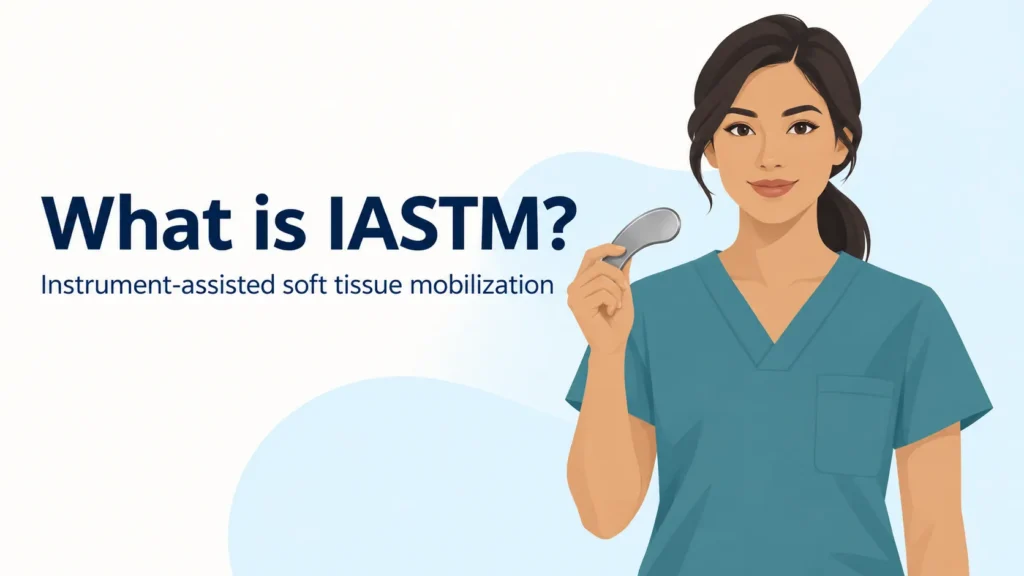
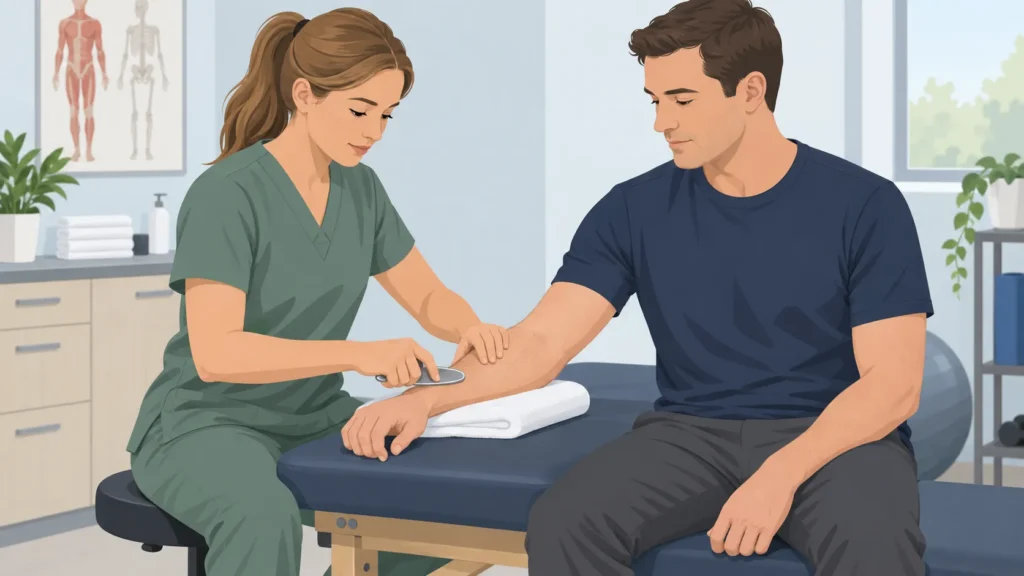
Instrument-assisted soft tissue mobilization, or IASTM, uses a smooth handheld tool to apply pressure to soft tissues, including muscles and tendons. A physical therapist moves the tool across the skin in controlled strokes. Treatment may help ease discomfort or improve movement.
At Calibration Physical Therapy in Overland Park, we begin by examining the area and discussing the activities you’re finding difficult. We then explain whether IASTM could be a useful part of your rehabilitation.
When IASTM May Help
IASTM may be included in care for muscle stiffness after a strain, tendon-related pain around the elbow or Achilles tendon, or heel discomfort associated with plantar fasciitis. Treatment around a healed surgical scar may also be appropriate when postoperative instructions allow it.
Consider an evaluation when symptoms interfere with daily activities, persist after an injury, or return whenever you increase exercise. You don’t need a diagnosis before booking. We’ll examine the problem and discuss what treatment could help.
Your Evaluation
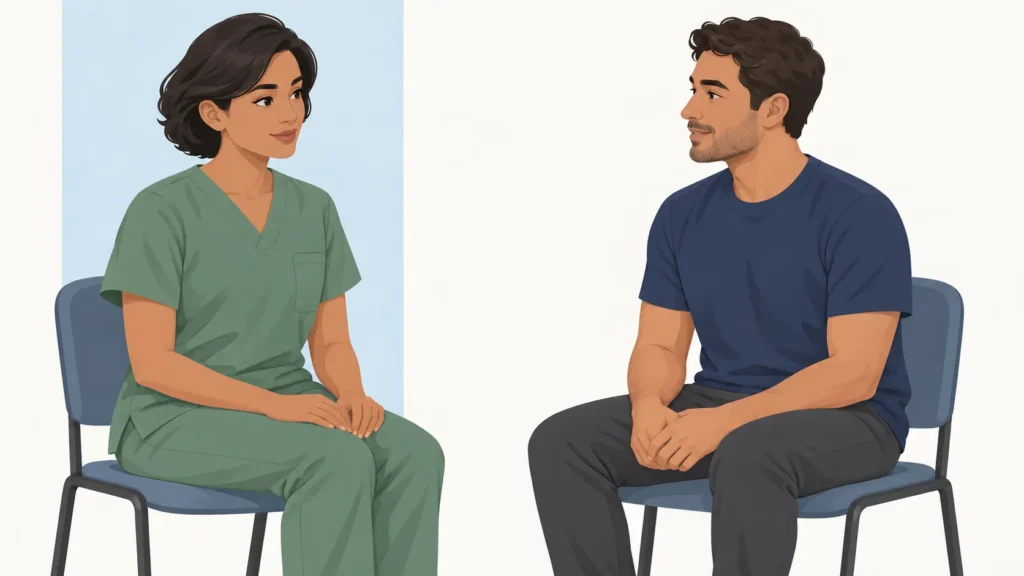
We’ll ask when your symptoms started, what makes them worse, and what you’ve already tried. Describe the tasks that are difficult, such as gripping a tool, standing through a shift, or bending your knee to get into a car. We’ll also review previous injuries, surgery, and relevant medical history.
We check movement, strength, and tenderness, and may ask you to demonstrate an activity that brings on symptoms. If you have numbness or tingling, the examination may include checking sensation and other signs of nerve involvement. We then explain the findings and discuss treatment options.
Before using IASTM, we check the skin and treatment area. Tell us about blood-thinning medication, easy bruising, reduced sensation, skin conditions, or allergies to metals and skin products. If you’ve had surgery, bring your postoperative instructions so treatment follows the restrictions for your stage of recovery.
During Treatment
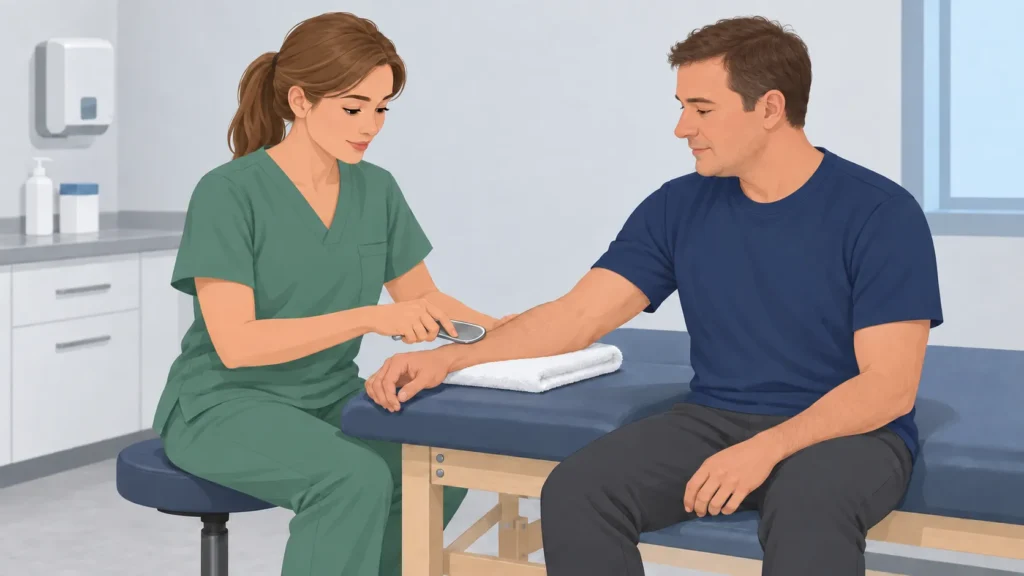
Wear clothing that allows access to the area being treated. We’ll help you get comfortable with the area supported, then move the tool over your skin in controlled strokes. We may use a lubricant to help it glide.
You may feel rubbing or firm pressure. Tell us if you feel sharp pain, burning, tingling, or more pressure than you’re comfortable with. We can adjust the pressure or stop at any point.
Mild redness or temporary soreness can occur afterward. Before you leave, we’ll explain what to expect and how to manage your usual activities and home exercises. If the area is sore, avoid adding pressure through self-massage or aggressive stretching.
Contact the clinic if soreness worsens, lasts longer than your therapist advised, or comes with significant bruising or other skin changes.
IASTM and Rehabilitation
IASTM is an optional form of manual therapy. You can receive physical therapy without it. When we include it, we combine it with exercises and activity guidance that address what you need to do at home, at work, or during exercise.
| Part of treatment | What it involves | Intended role |
|---|---|---|
| IASTM | Pressure applied with a handheld tool | Help ease discomfort or improve movement |
| Exercise | Movement practice and progressive strengthening | Build ability for daily tasks, work, or sport |
| Activity adjustments | Changes to workload, timing, or technique | Make daily demands more manageable during recovery |
For example, rehabilitation for Achilles tendon pain might include calf strengthening and gradually increasing walking distance. For elbow symptoms, it might involve grip exercises and adjusting repetitive lifting at work. We demonstrate the exercises and help you find a manageable starting point.
As you progress, we discuss when to add weight, repetitions, or time to an activity. We base those decisions on your strength, movement, and symptoms during and after exercise.
Reviewing Progress
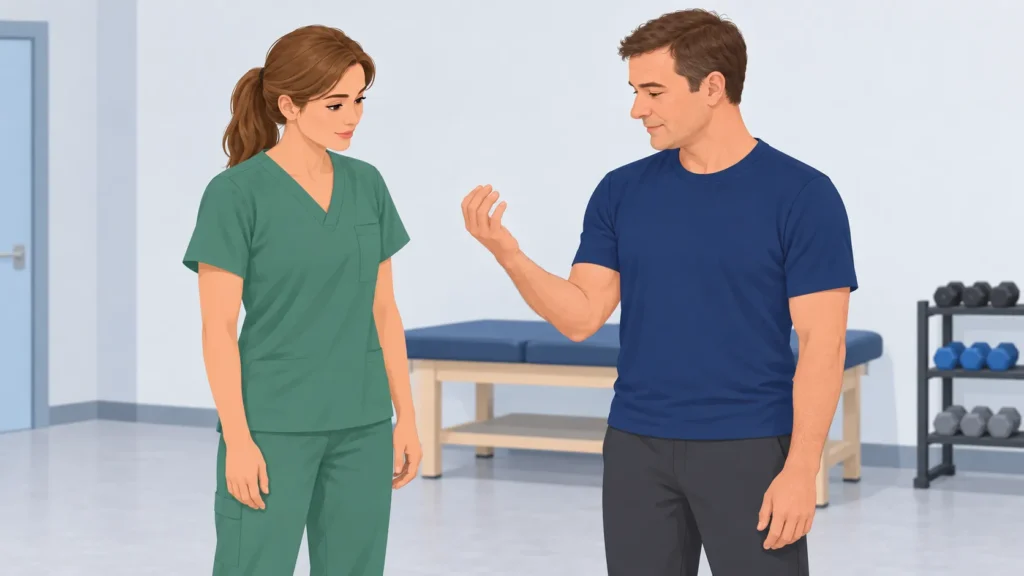
We reassess movement and strength and ask whether daily tasks have become easier, such as reaching a shelf or carrying groceries. Tell us how long any relief lasted and how you felt between visits.
We continue IASTM when it helps with symptoms or movement. If it isn’t helping, makes symptoms worse, or is no longer needed, we adjust or stop it. When progress stalls or symptoms change, we reassess the problem and discuss whether to change treatment or recommend medical evaluation.
When to Seek Medical Evaluation
Some symptoms need medical attention before soft tissue treatment. Seek prompt assessment for:
- New, unexplained swelling, warmth, and pain in one leg, especially after surgery or a period of limited movement.
- Fever with spreading redness or heat around a wound or painful area.
- A significant injury followed by difficulty bearing weight or using the affected limb.
Call 911 for chest pain or sudden shortness of breath, particularly with new leg swelling.
IASTM should not be applied over open wounds or an area with a suspected infection or unhealed fracture. If you’re unsure whether a symptom makes treatment unsuitable, describe it when contacting the clinic.
Frequently Asked Questions
How is IASTM different from massage?
IASTM uses a handheld tool to apply pressure, while massage generally uses the hands. The tool’s shape allows the therapist to vary contact with the treatment area. Both approaches involve soft tissues, and we choose the technique and pressure based on the examination and your comfort.
Does IASTM break down scar tissue?
Research hasn’t established that IASTM physically breaks down scar tissue in people. Some people experience less discomfort or easier movement, but those changes don’t establish how the tissue itself has changed. Treatment around a surgical scar must also follow wound-healing precautions and your surgeon’s instructions.
Should IASTM leave bruises?
No. Bruising is not a treatment goal or a sign that IASTM worked. Let us know if you bruise easily or take blood-thinning medication before treatment. If bruising develops afterward, contact the clinic so we can review your response and decide whether to change or stop the technique.
Can I exercise or work after treatment?
You can often continue activity within the limits discussed with your therapist. Your injury, any postoperative restrictions, and soreness after treatment influence what’s appropriate. Tell us about a demanding shift or workout you have planned so we can discuss adjustments to the weight, duration, or repetition involved.
How many IASTM sessions will I need?
The number depends on the condition being treated, how long you’ve had symptoms, and your response to treatment. There isn’t a standard course that suits everyone. IASTM may be used for only part of your rehabilitation while you continue exercises to rebuild strength and prepare for work or sport.
Talk with Calibration Physical Therapy
If pain or stiffness is making work, exercise, or everyday movement difficult, Calibration Physical Therapy in Overland Park can help you explore your treatment options.
Schedule an evaluation or call (913) 914-7174.