A pulled quadriceps can happen during a sprint, kick, jump, lunge, or sudden change of direction. You may feel pain in the front of your thigh, followed by soreness, tightness, weakness, or difficulty using the leg normally. The injury may be mild, or it may more substantially affect walking, stairs, work, exercise, or sport.
Treatment usually starts with reducing the activity that caused the pain, maintaining comfortable movement, and gradually rebuilding strength. Because pain may improve before the muscle is ready for sprinting, jumping, or heavy lifting, the safest progression depends on how the leg responds as activity increases.
How Do You Treat a Pulled Quadriceps?
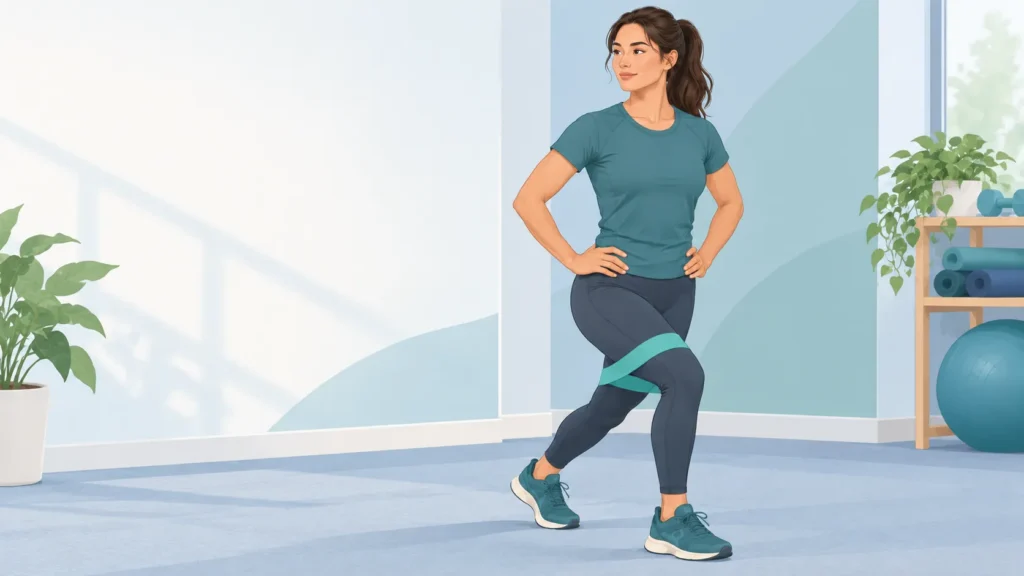
Treatment usually progresses through four steps: reduce the activity that aggravates the injury, maintain comfortable movement, rebuild strength, and gradually restore the speed, impact, and repetition required for normal activity.
For some people, this means switching from running to easy walking for a period of time. For others, especially after a more significant injury, even normal walking may need to be limited temporarily. Walking is generally reasonable when you can do it without a significant limp or steadily increasing pain.
Early on, avoid the movements that sharply increase symptoms, such as sprinting, forceful kicking, jumping, deep squats, lunges, or heavy leg training. As the thigh becomes less sensitive, a physical therapist may gradually introduce strengthening, running drills, jumping, or sport-specific movements.
Early pain relief is encouraging, but recovery also means restoring the strength and control you need for normal activities.
What Causes a Pulled Quadriceps?
A pulled quadriceps can happen when the muscles at the front of the thigh have to produce force quickly or lengthen while contracting. Sprinting, kicking, jumping, sudden stops, and changes of direction can all place high demands on the quadriceps.
The injury may happen during one clear movement, such as accelerating to catch a ball. It can also develop after a sudden change in training. A runner who adds hills or speed work, or a lifter who quickly increases lower-body volume, may ask more of the muscle than it can handle.
Fatigue and limited recovery can also affect how well the muscle manages force. Someone may tolerate normal training but struggle during a longer practice, a tournament, or a late workout when the quadriceps is already tired.
A previous thigh injury may also affect how the muscle handles high-speed or high-force activity. That does not mean weakness or flexibility alone caused the problem. The strain usually reflects the relationship between the task, the muscle’s current capacity, the activity volume, and recovery.
What Does a Pulled Quadriceps Feel Like?
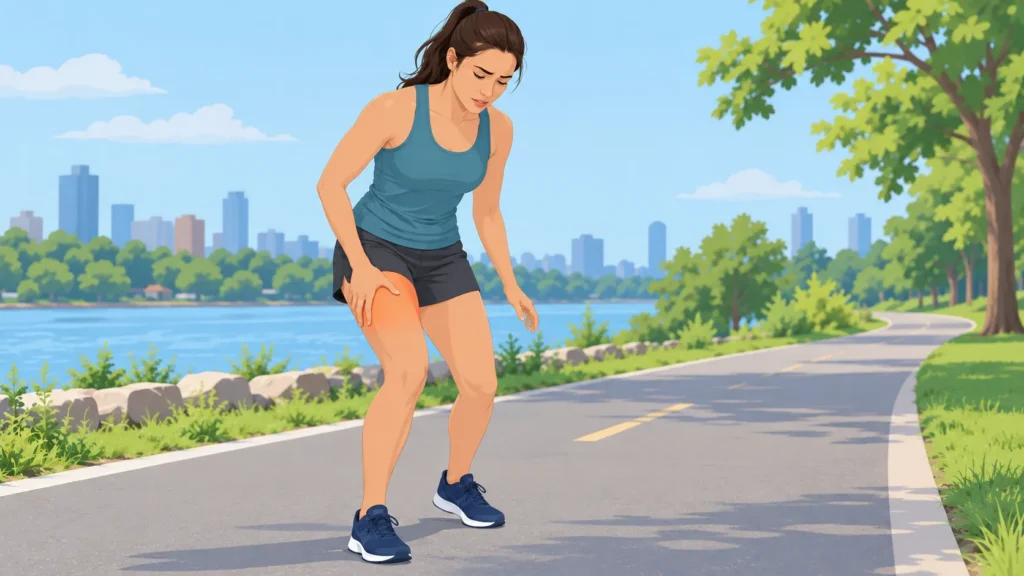
A pulled quadriceps often causes pain in the front or upper thigh. Some people feel a sudden, sharp, tearing sensation during a sprint, kick, jump, or lunge. Others notice soreness, tightness, or weakness later that day.
The pain may appear when the quadriceps contract to straighten the knee or when the thigh stretches as you bend the knee. This can make stairs, squats, lunges, running, kicking, or getting up from a low chair uncomfortable.
Your daily movement can show how much the injury is affecting function. Walking slowly on level ground may be manageable, while taking longer strides, climbing stairs, or carrying something may bring the symptoms back. A limp or clear avoidance of the injured leg suggests the muscle isn’t ready for normal loading.
If you hear a pop and have substantial weakness, significant bruising or swelling, difficulty bearing weight, can’t actively straighten the knee, or notice a visible change in the thigh, seek evaluation rather than treating it as a routine mild strain.
What Should You Do in the First Few Days?
First, stop or modify the activity that caused the pain. If running caused the injury, do not keep jogging to test it. If walking hurts or changes your gait, reduce walking and avoid unnecessary stairs until your leg feels more comfortable.
Comfortable movement is often reasonable if it doesn’t increase symptoms or cause a limp. This might include short, easy walks around the house or gentle knee movement within a comfortable range. The right amount depends on the injury’s severity and how the leg responds afterward.
Cold, compression, or elevation may help with short-term comfort or swelling. They are supportive options, not a complete treatment plan or a guarantee of faster healing. Avoid forceful stretching or massage into sharp pain, particularly while the thigh is swollen, bruised, or highly sensitive.
As basic movement becomes easier, the focus should gradually shift from protecting the muscle to rebuilding its ability to tolerate resistance and activity.
How Symptoms Behave During Activity
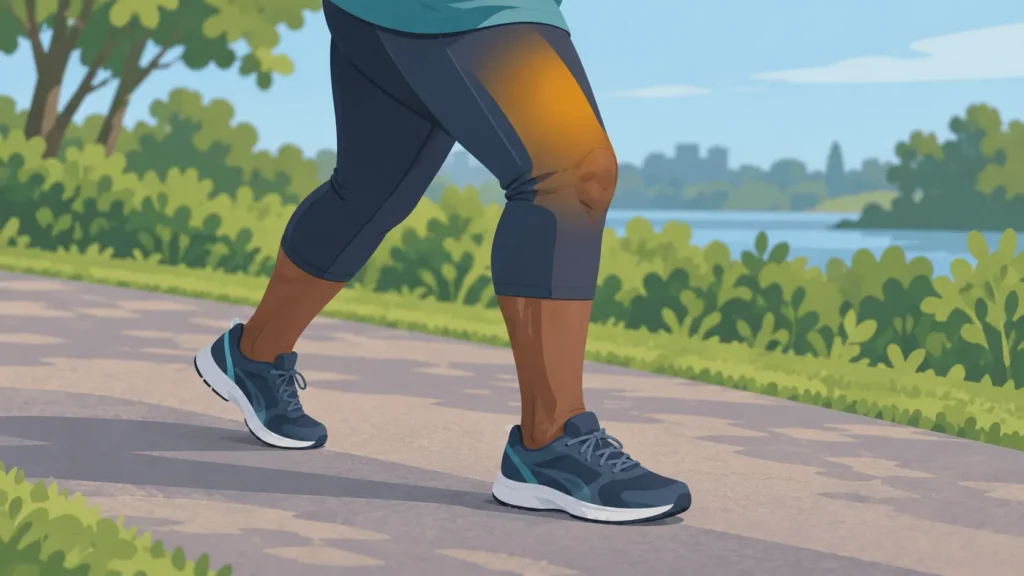
Quadriceps symptoms often increase when the muscle has to produce more force, work faster, or move through a deeper range. A person may tolerate a short walk but not a run, or manage a shallow squat but not a deep lunge.
Repetition and fatigue matter too. The first few steps of an activity may feel acceptable, but pain can increase after several minutes of running, repeated stairs, or a longer practice. This may mean the current workload exceeds what the muscle can recover from.
Also notice what happens later. If the thigh is more painful, stiff, weak, or limited that evening or the next morning, the activity may have progressed too quickly even if it felt manageable at the time.
You don’t need to provoke sharp pain to know whether the muscle is healing. Changes in walking, strength, movement quality, and recovery between activities provide more useful information than repeatedly testing the original injury.
Common Mistakes When a Quadriceps Is Pulled
Early decisions after a thigh injury can affect how smoothly you return to activity. Most problems come from either stressing the muscle too soon or avoiding movement too long and then abruptly resuming the original workload.
Testing the injury repeatedly
It can be tempting to sprint, jump, do deep squats, or kick hard every day to see if the muscle is ready. Each test adds stress, especially when the quadriceps is still painful or weak. A single successful attempt also doesn’t show whether the leg can handle repeated efforts.
Stretching or massaging into pain
A pulled quadriceps may feel tight because the muscle is protecting an irritated area. Forceful stretching or deep massage can increase symptoms when the tissue is still sensitive. Keep movement and stretching within a tolerable range rather than pushing into sharp pain.
Returning to the full workload too quickly
Walking may feel normal before the muscle is ready for running, jumping, heavy lifting, or sport. Returning directly to the previous workout, practice, or work demands can create a flare-up even when the initial pain has improved.
Resting completely, then starting over
Complete rest may reduce symptoms temporarily, but it does not restore the strength and control needed for higher-demand activity. Once basic movement is comfortable, gradual strengthening helps prepare the quadriceps for the tasks you want to resume.
A better approach is to reduce aggravating activity, maintain comfortable movement, and increase loading in stages. The injured leg should gradually tolerate more work without repeatedly returning to the same level of pain or stiffness.
Is It a Quadriceps Strain or Something Else?
Front-thigh pain can come from more than a quadriceps strain. A strain usually follows forceful muscle use, such as sprinting, kicking, jumping, or a sudden change of direction. A contusion usually follows a direct blow or fall and may cause more obvious bruising or swelling.
Pain near the lower thigh or just above the kneecap may involve the quadriceps tendon rather than the muscle itself. Pain that does not follow a clear muscle event, changes with hip or back positions, or includes symptoms beyond the thigh may require a broader evaluation.
| Possible source | Typical clues | Why evaluation may help |
|---|---|---|
| Quadriceps strain | Local pain after forceful or fast muscle loading | The amount of weakness can vary |
| Quadriceps contusion | Direct blow, fall, bruising, or swelling | The early treatment approach may differ |
| Quadriceps tendon problem | Pain near the kneecap with marked difficulty straightening the knee | Marked weakness may require medical assessment |
| Hip, back, or nerve-related pain | Symptoms affected by the hip, spine, or nerve positions | The pain may be coming from another area |
These patterns can help you decide when an evaluation would be useful, but they cannot confirm the cause of pain on their own.
How Physical Therapy Evaluates a Pulled Quadriceps
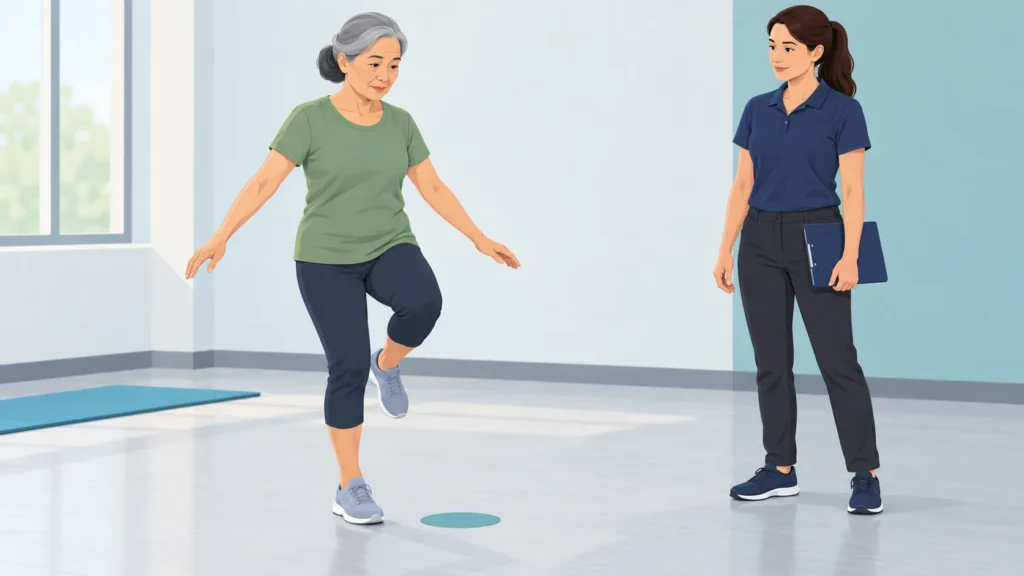
A physical therapist will ask how the injury happened, what you felt at the time, and what the leg can do now. A sprinting injury with immediate pain may be approached differently from thigh pain that appeared after a direct blow or a gradual increase in training.
The therapist may watch you walk, use stairs, squat, step, or lunge to see how the symptoms affect movement. They may compare knee and hip movement on both sides and assess how the quadriceps respond to controlled resistance.
The evaluation should reflect the activity you want to resume. For example, a runner may walk normally but develop pain during acceleration. A soccer player may regain basic strength but still lack the control needed for kicking or cutting. A worker may manage stairs but struggle with repeated squatting or lifting.
These findings help determine what the quadriceps can tolerate now and which activity demand should be increased next. The evaluation may also consider a contusion, quadriceps tendon injury, or pain referred from the hip, knee, or low back.
How Physical Therapy Helps a Quadriceps Strain
Physical therapy helps guide the transition from protecting an irritated muscle to restoring comfortable, confident movement. Early treatment may focus on reducing aggravating activity, maintaining comfortable movement, and restoring a comfortable walking pattern when tolerated.
As pain and sensitivity settle, the rehabilitation plan can progress to controlled strengthening. The therapist may adjust resistance, range, speed, and repetition based on how the quadriceps responds. Later stages may include faster contractions, running, jumping, kicking, or other tasks that match the person’s goals.
For example, a recreational soccer player may begin with normal walking and controlled strengthening. Later sessions might include step-ups, split squats, jogging, acceleration, reduced-effort kicking, and finally cutting or repeated full-speed efforts.
A person whose work involves frequent stairs, lifting, kneeling, or squatting may need a different progression. Hands-on treatment or other supportive care may help with comfort or movement, but progressive loading remains important for restoring the capacity required by work and exercise.
Rehabilitation Progression
Rehabilitation stages may overlap rather than occur in rigid steps. Progress depends on symptom response, strength, movement quality, and the demands of the activity you want to resume. Walking may improve well before you’re ready to sprint, jump, kick, or lift heavy weights.
| Stage | Main goal | Examples |
|---|---|---|
| Early | Maintain comfortable movement and reduce aggravating load | Easy walking and gentle knee movement |
| Building capacity | Restore strength and control | Controlled squats, step-ups, and progressive resistance |
| Higher demand | Prepare for force, speed, and range | Split squats, jogging, acceleration, or faster strengthening |
| Return to activity | Reproduce work, exercise, or sport demands | Running, jumping, kicking, cutting, or loaded tasks |
The next step is based on how the leg responds during and after loading. The uninjured side can provide a useful comparison, but readiness also depends on whether the injured leg can perform the required task repeatedly and recover between sessions.
Returning to Running, Exercise, Work, or Sport
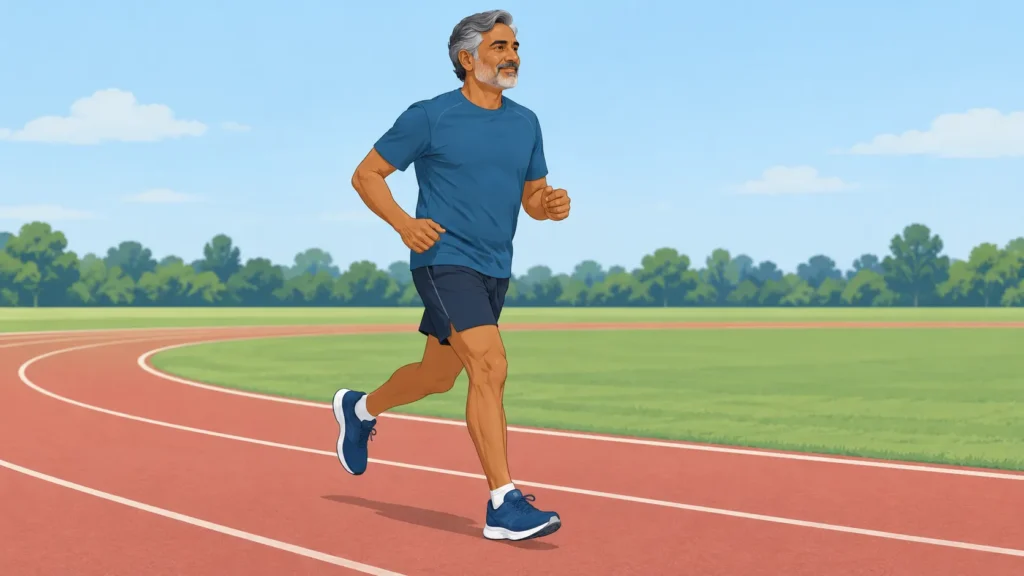
Return to activity should reflect what you need the injured leg to do. Pain-free walking does not automatically mean the quadriceps is ready for sprinting, jumping, heavy lifting, or a full game.
A runner may need to rebuild distance, pace, hills, and acceleration separately. Someone returning to strength training may need to progress resistance, squat depth, volume, and fatigue. A soccer or basketball player may need to restore jogging before adding kicking, jumping, cutting, and repeated efforts.
Work demands matter too. People whose jobs involve stairs, kneeling, lifting, or prolonged standing may need to practice those tasks before returning to a full shift. When possible, increase one demand at a time, and remember that tolerating one repetition does not necessarily mean the leg is ready for repeated efforts.
Monitor the leg during activity, later that day, and the next morning. Increasing pain, changes in walking, reduced strength, or repeated flare-ups suggest you need to adjust the workload.
How Long Does a Pulled Quadriceps Take to Improve?
Recovery depends on the injury’s extent and location, the amount of strength loss, the person’s normal activity, and how rehabilitation progresses. A mild strain, a larger muscle tear, and a direct thigh contusion may follow different recovery patterns.
Early improvement does not necessarily mean the quadriceps is ready for every activity. Walking may feel normal, but sprinting, kicking, jumping, or heavy lifting can still expose weakness.
Meaningful progress may include easier stairs, more comfortable squatting, improved strength, normal walking, and better activity tolerance without a significant symptom increase afterward. If progress stops or symptoms flare every time the workload increases, reassess the injury.
A physical therapist can help determine whether the next step is more strengthening, a slower return to speed and impact, or a broader evaluation of the symptoms.
When to See a Physical Therapist or Medical Provider
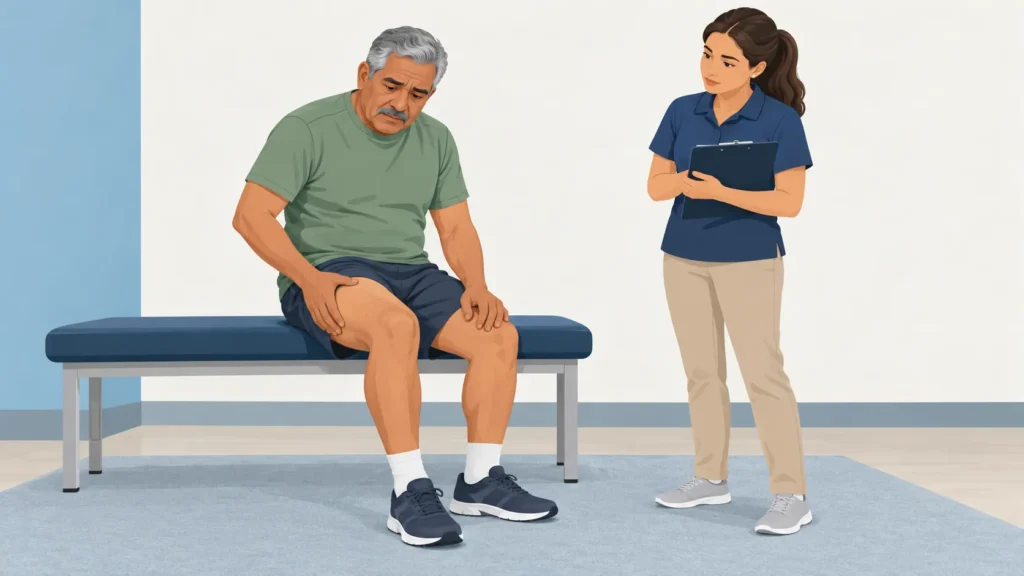
A physical therapy evaluation can help when a pulled quadriceps is limiting walking, stairs, work, exercise, or sport. It is also useful when you are unsure how much activity is appropriate or when symptoms return every time you increase training.
Physical therapy may be appropriate when weakness, altered movement, or reduced activity tolerance persists even though the initial pain has improved. A therapist can help identify the next safe loading step and connect rehabilitation to the demands of running, lifting, work, or sport.
Medical evaluation is more important when the injury involved a pop followed by substantial weakness, major bruising or swelling, difficulty bearing weight, inability to actively straighten the knee, or a visible change in the thigh. Prompt evaluation is also appropriate when symptoms worsen rather than gradually improve.
These signs do not automatically mean the injury is severe, but they may require more protection, a different treatment plan, or additional testing.
Frequently Asked Questions
These questions address common concerns about quadriceps strains, activity, recovery, and when professional guidance may help.
Can I walk with a pulled quadriceps?
You may be able to walk if you can do so without a significant limp or steadily increasing pain. If walking changes your gait, causes sharp pain, or is difficult because of weakness, reduce the activity and consider an evaluation.
Should I stretch a pulled quadriceps?
Gentle movement may be appropriate when it stays within a comfortable range. Avoid forceful stretching into sharp pain, especially when the thigh is bruised, swollen, or highly sensitive.
Can I exercise with a quadriceps strain?
You may be able to continue activities that don’t aggravate the injured leg, but you may need to temporarily modify running, jumping, kicking, deep squats, lunges, and heavy leg training. Base progress on how the quadriceps responds during activity and later that day or the next morning.
How do I know when I can return to running or sports?
Pain-free walking is only one part of readiness. The quadriceps should also tolerate progressive strengthening, faster movement, impact, and the specific demands of your activity without a significant increase in pain, weakness, or stiffness afterward.
When should I see a physical therapist for a quadriceps strain?
Consider an evaluation when pain or weakness limits walking, stairs, work, exercise, or sport, or when symptoms return whenever you increase activity. A physical therapist can also help if you are unsure how to progress or if improvement has stalled.
Final Thoughts
A pulled quadriceps usually needs a gradual progression from reducing painful activity to restoring strength, speed, range, and activity-specific function. The next step depends on what the leg can do now, how it responds afterward, and what you need to return to.
If walking, work, exercise, or sport remains limited, an evaluation can help clarify the injury and guide the return to normal activity.
Get Help With a Pulled Quadriceps
If a quadriceps injury limits daily life, work, exercise, or sport, Calibration Physical Therapy in Overland Park, Kansas can evaluate your symptoms and guide treatment and your return to activity. Schedule an evaluation to get started.
Tags

About the Author
Dr. Traci Smiley, DPT
Traci is a licensed physical therapist and owner of Calibration Physical Therapy, serving the Kansas City area. A Board-Certified Orthopedic Clinical Specialist with advanced training in manual therapy and strength conditioning, she helps individuals overcome pain and return to what they love.