
Physical Therapy Services
Back Pain Treatment in Overland Park
Reduce flare-ups and rebuild strength with movement-based back pain care that improves tolerance for work, training, and daily life.
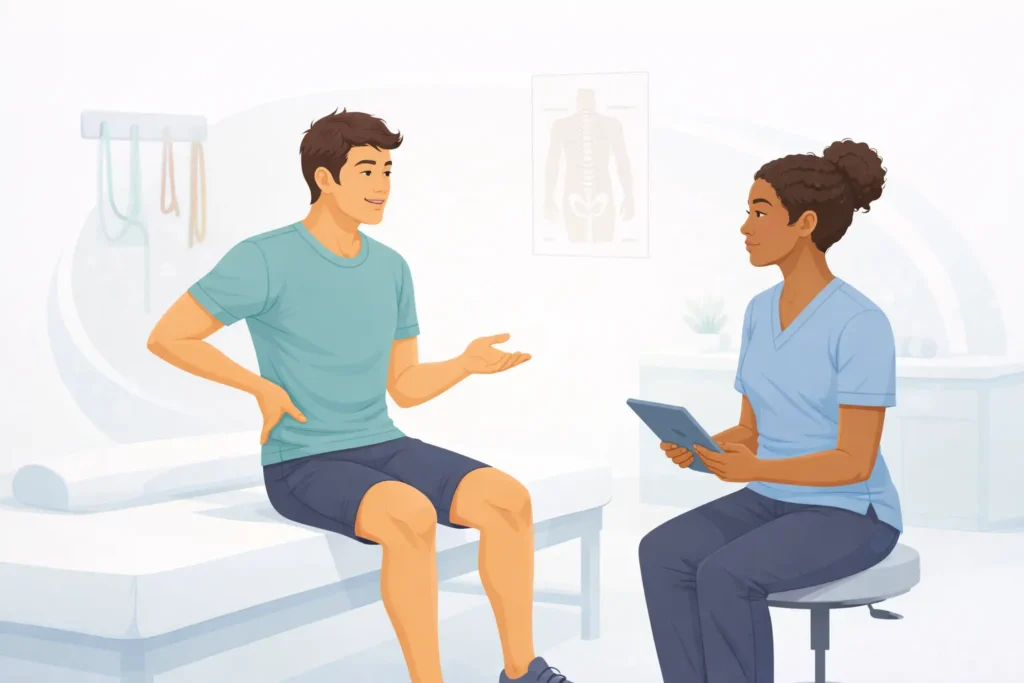
Service details
Back Pain Treatment in Overland Park
Back pain can affect how you work, exercise, sleep, and move through your day. You may sit differently at work, avoid the gym, wake up when you roll over, or think twice before picking something up.
At Calibration Physical Therapy, we help people in Overland Park and nearby Kansas City communities understand what may be contributing to their back pain and build a strategic plan for moving forward.
During your evaluation, we will discuss your symptoms and assess your movement, strength, mobility, work demands, training, and daily activities. From there, we may use hands-on treatment, focused exercise, and personalized guidance to help you move with more confidence and return to the activities that matter to you.
What May Be Causing Your Back Pain?
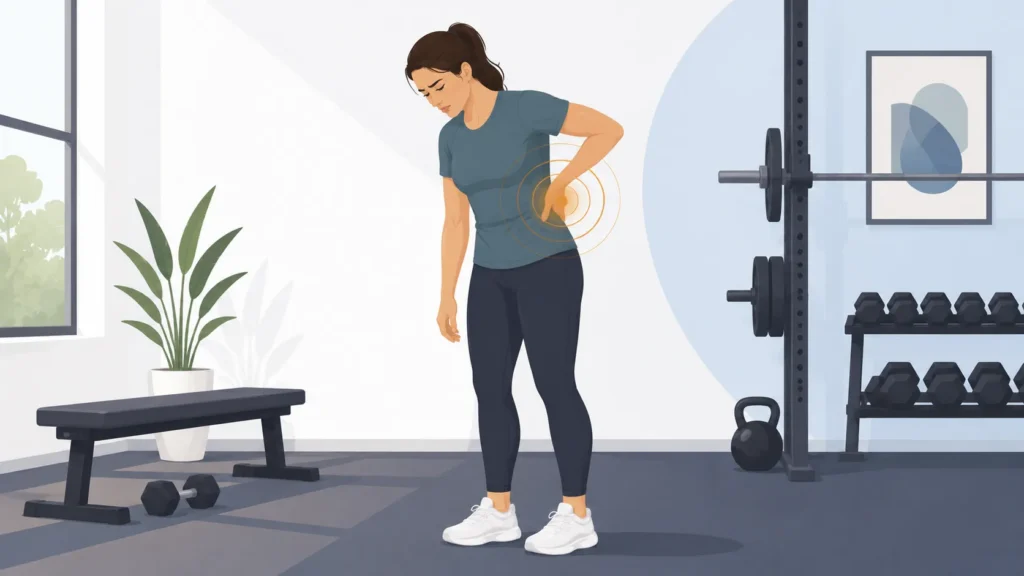
Back pain does not always come from one specific injury or diagnosis. It may begin after lifting something, build gradually with repetitive activity, or appear when your work, training, or daily routine changes.
Common contributors can include:
- Muscle or ligament strain
- Irritated nerves or symptoms that travel into the leg
- Disc-related changes
- Spinal stenosis
- Repetitive lifting or overuse
- Prolonged sitting or limited movement
- Reduced strength or mobility in the hips, back, or legs
- A sudden increase in activity or a change in training
These factors affect everyone differently. During your evaluation, we look at how your symptoms behave, which movements aggravate or relieve them, and how your strength, mobility, and daily demands may be influencing the problem.
Understanding those patterns helps us build a treatment plan around you, not just a label attached to your back pain.
When Should You See a Physical Therapist?
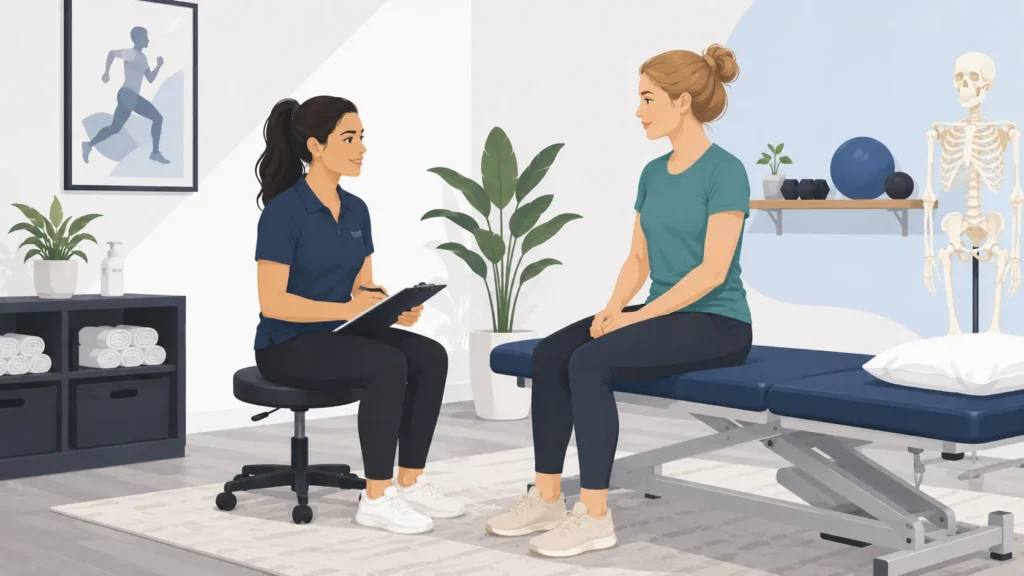
You do not have to wait until your back pain becomes unbearable before getting help. An evaluation may be worthwhile if back pain is:
- Limiting work, exercise, travel, or activities at home
- Making it difficult to sleep or find a comfortable position
- Returning repeatedly or getting worse over time
- Causing stiffness after sitting, standing, or driving
- Traveling into the hip, buttock, or leg
- Making you uncertain about how to move safely
- Continuing despite rest or other self-management efforts
A physical therapist can help you understand what may be contributing to your symptoms and determine which next steps make sense for your situation.
Seek prompt medical attention for back pain accompanied by major weakness, new loss of bladder or bowel control, numbness in the groin area, fever, or unexplained weight loss.
How We Treat Back Pain
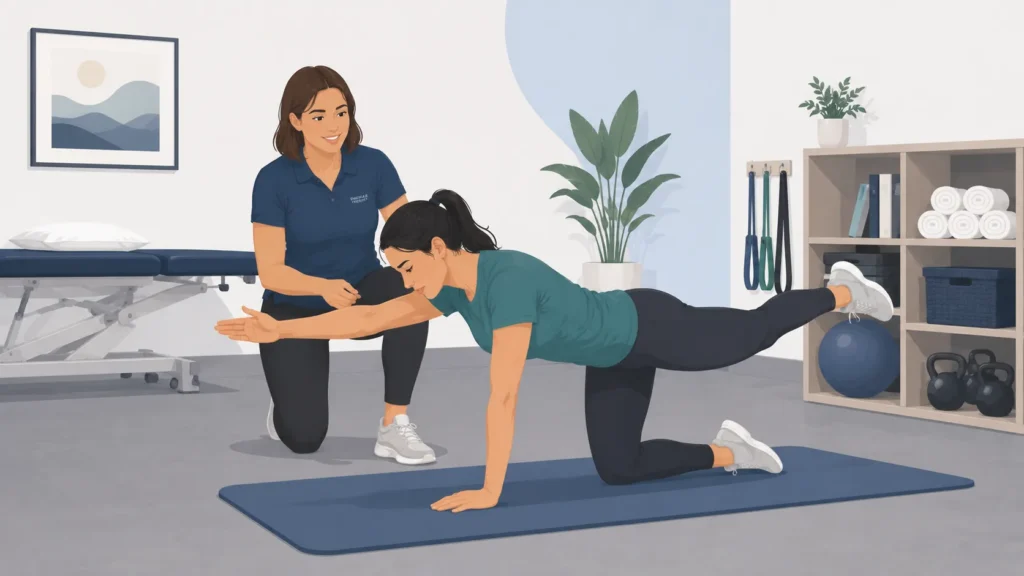
Treatment should match the person in front of us, not just the diagnosis on a referral. We start by identifying what is limiting you, what your body can tolerate now, and what you need to return to.
Depending on your evaluation, your plan may include:
- Hands-on treatment to improve movement in the back, hips, or surrounding joints
- Progressive strengthening for the back, hips, and trunk
- Exercises that build tolerance for lifting, walking, sitting, training, or other daily demands
- Guidance on bending, lifting, posture, and activity habits
- Strategies for managing flare-ups without stopping everything you enjoy
- A home program that fits your schedule, symptoms, and current ability
We will explain what we are working on and why. As your symptoms and abilities change, we adjust the plan so your treatment continues to support your goals instead of repeating the same exercises.
What Physical Therapy Can Help You Do

Physical therapy should help you do more than feel better for a few hours. It should help you understand your back, rebuild trust in your movement, and get back to the work, exercise, and everyday activities you want to enjoy.
Depending on your goals, progress may mean:
- Getting through a workday with fewer position changes
- Returning to strength training or recreational activities
- Picking up your child with more confidence
- Walking farther or sitting more comfortably
- Sleeping with fewer interruptions
- Managing future flare-ups without avoiding everything you enjoy
Progress looks different for everyone. We measure it against your daily life and personal goals, not an arbitrary program.
What to Expect at Your First Visit
Your first visit begins with a conversation about what has been happening, what you have tried, and what you want to get back to. We will ask about your symptoms, daily routine, work or training demands, previous injuries, and the activities that are currently difficult.
We will then assess your movement, strength, mobility, and tolerance for common activities. This helps us understand how your symptoms are affecting you and what may be contributing to the problem.
Before you leave, we will explain what we found, answer your questions, and outline a treatment plan based on your goals. You should leave with a clearer understanding of your next step and what you can do between visits.
Back Pain Treatment in Overland Park
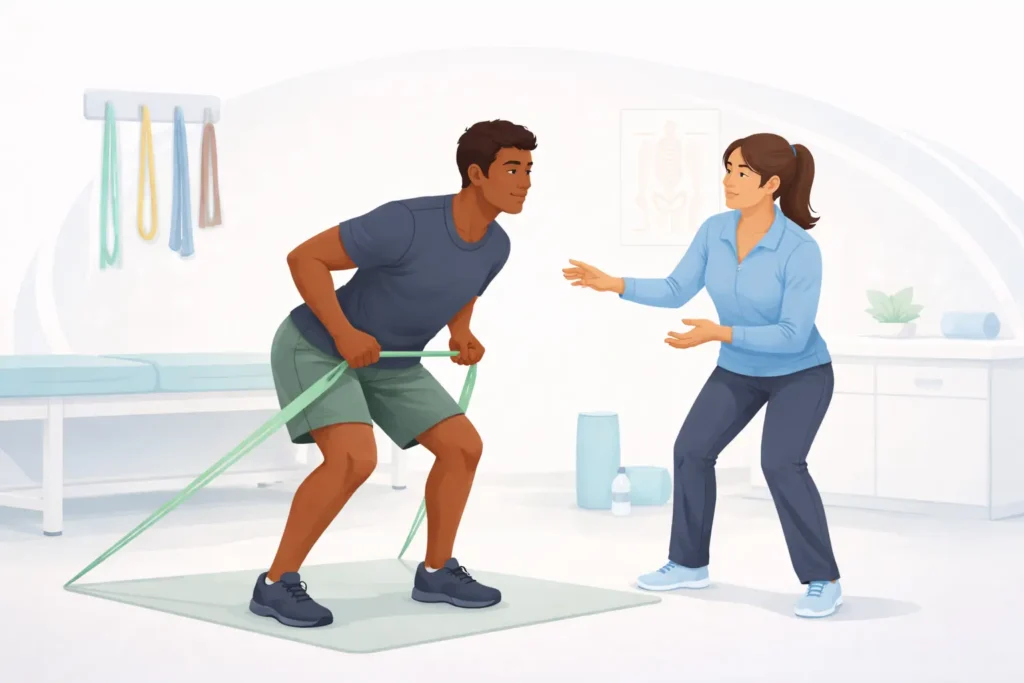
Calibration Physical Therapy helps people in Overland Park, Leawood, Prairie Village, and nearby Kansas City communities manage back pain and return to the activities they value.
You should not have to organize your life around avoiding the next painful movement. If back pain is affecting your work, workouts, sleep, or day-to-day life, an evaluation can help you understand what is going on and what to do next.
With the right assessment and a progressive plan, you can work toward moving with more confidence and fewer limitations.
Schedule an evaluation at Calibration Physical Therapy to get started.
FAQs
Can physical therapy help with sciatica?
Physical therapy can help some people improve movement and strength when symptoms travel from the back into the hip, buttock, or leg. Your evaluation will help determine what may be contributing to your symptoms and which treatments are appropriate.
Can physical therapy help with spinal stenosis?
Physical therapy can help some people with spinal stenosis improve strength, mobility, walking tolerance, and confidence with daily activities. Treatment depends on your symptoms, goals, and how your back responds to movement.
Do I need a doctor’s referral for physical therapy?
Many people can begin physical therapy without seeing a doctor first. Insurance requirements can vary, so contact Calibration Physical Therapy or your insurance provider to confirm what applies to you.
What happens during a back pain evaluation?
We will discuss your symptoms, daily activities, work or training demands, previous injuries, and what you have already tried. We will then assess your movement, strength, mobility, and tolerance for common activities, explain what we found, and outline a treatment plan.
How long will I need physical therapy for back pain?
Treatment length depends on your symptoms, goals, progress, and how your body responds to treatment. We will monitor your progress and adjust your plan as you improve rather than keeping you on a fixed program.
Can physical therapy help with long-term or recurring back pain?
Physical therapy may help you understand the factors contributing to recurring pain, improve strength and movement, and build strategies for managing flare-ups. The goal is to help you return to meaningful activities with more confidence and fewer limitations.
What should I do if my back pain flares up between visits?
A flare-up does not always mean you have caused additional damage. Follow your therapist’s guidance, temporarily adjust activities that clearly aggravate your symptoms, and stay gently mobile as tolerated. Contact us if symptoms are severe, worsening, or different from what you have experienced before. Seek prompt medical attention for major weakness, new loss of bladder or bowel control, numbness in the groin area, fever, or unexplained weight loss.