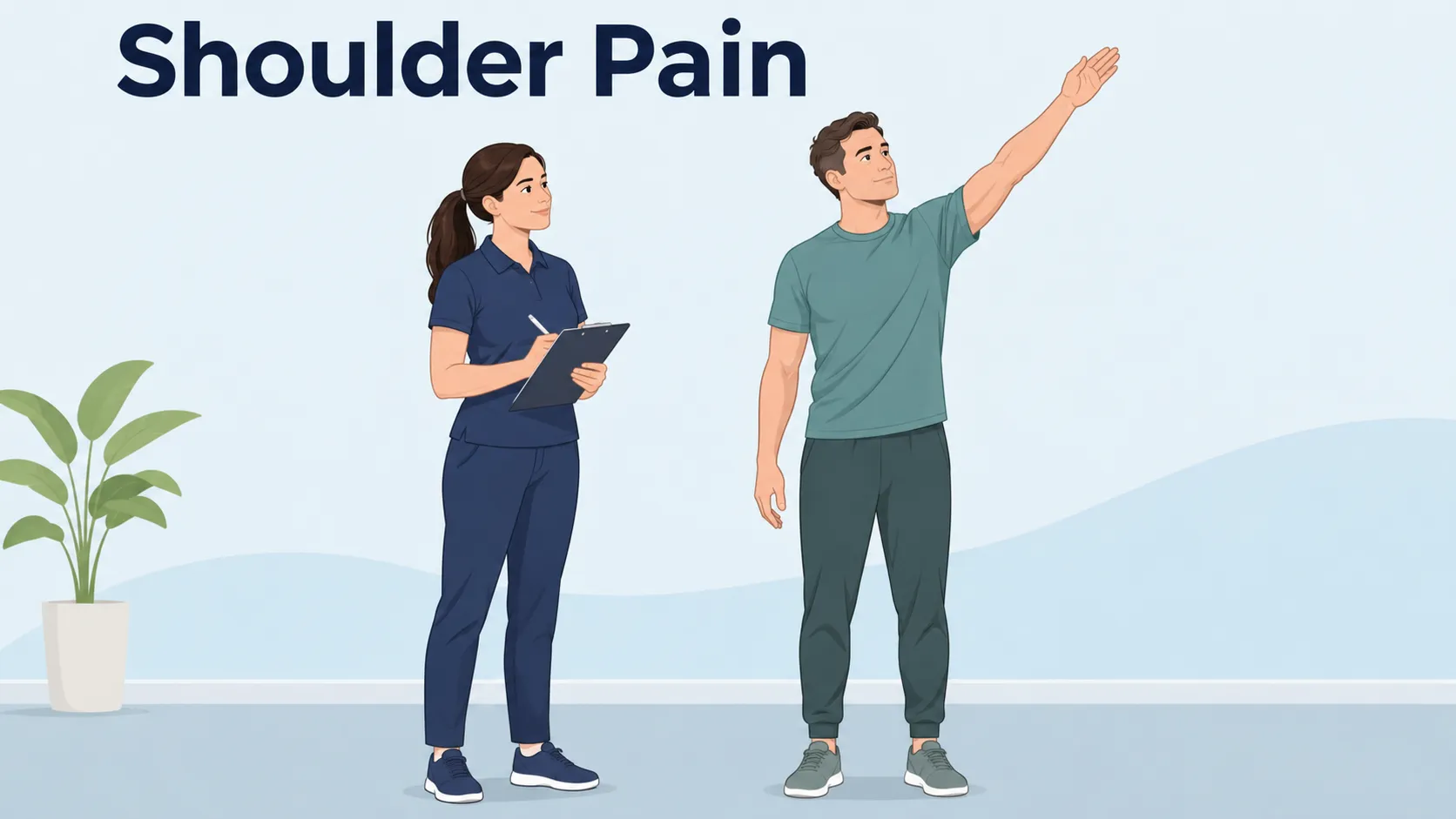
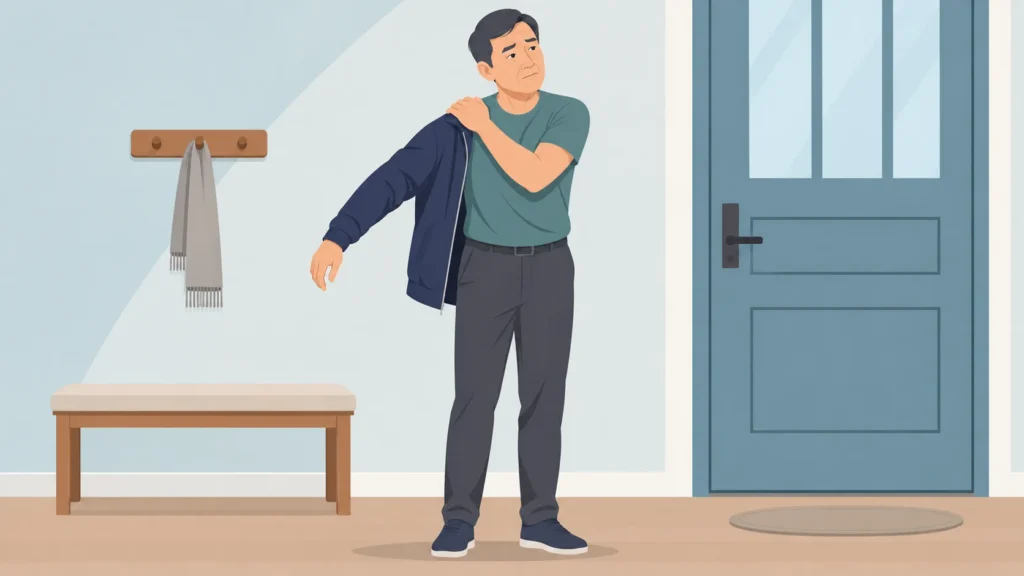
Reaching into a cabinet, pulling on a jacket, or rolling onto your side at night can make you notice a shoulder that previously needed little attention. You might still manage these tasks, but pain, stiffness, or reduced strength can make them increasingly difficult.
Shoulder symptoms can start after an injury or develop gradually as work, exercise, and everyday demands change. Physical therapy for shoulder pain can help you understand those limitations and build a plan for returning to the activities that matter to you.
This guide explains when to seek help, what an evaluation involves, and how rehabilitation can support recovery.
When Can Physical Therapy Help Shoulder Pain?
Physical therapy may help when shoulder pain keeps returning, limits movement, or interferes with sleep, work, exercise, or daily tasks. You do not need to wait a set number of weeks if symptoms are worsening or making normal activities difficult.
A physical therapist evaluates how your shoulder moves and tolerates activity, considers possible contributing factors, and develops an individualized plan. Significant injuries, sudden loss of function, or symptoms suggesting a broader medical problem may require medical evaluation first.
When to Seek Evaluation for Shoulder Pain
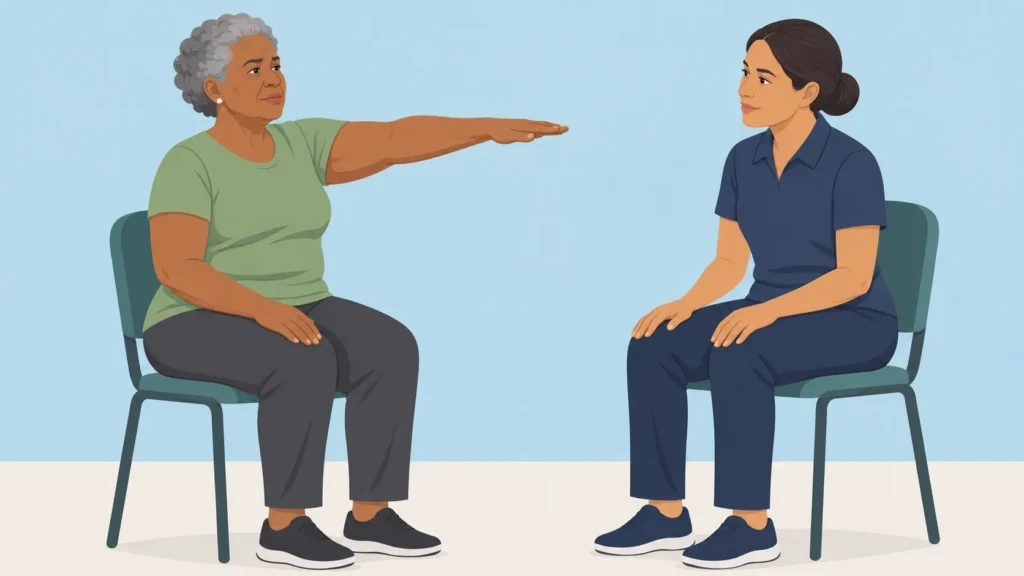
Consider an evaluation when symptoms repeatedly interrupt sleep, make dressing difficult, or limit your ability to work or exercise. Increasing stiffness, recurring episodes, or weakness that affects lifting are also practical reasons to seek help.
You do not have to wait until you cannot use the arm. Guidance can help when you repeatedly modify activities without making progress.
Some symptoms need medical attention sooner. Seek prompt medical assessment after a significant injury, especially with sudden weakness or difficulty raising the arm. Visible deformity, severe swelling, new loss of sensation, or a hot, swollen shoulder with fever also needs urgent assessment.
Shoulder or arm pain accompanied by chest pain, shortness of breath, or other possible heart attack symptoms requires emergency care. Call 911 rather than scheduling a routine PT visit.
What Can Cause Shoulder Pain?
Shoulder pain can involve the rotator cuff tendons, other soft tissues, or the joints around the shoulder. Some people develop pronounced stiffness, as with frozen shoulder or arthritis. Others experience instability or pain following an injury.
Symptoms sometimes appear after a change in demand. Adding overhead presses, painting a room, or returning to tennis after time away can put more demand on the shoulder than it can currently handle. Repetition, force, position, and recovery can all influence that response.
Not every painful shoulder has the same problem. Symptoms can also come from the neck, and several factors may overlap. Where you feel pain provides useful information, but it does not establish a diagnosis.
What Does Shoulder Pain Feel Like?
Shoulder symptoms may include an ache around the joint or upper arm, discomfort with reaching, stiffness, or difficulty lifting. Carrying groceries might feel manageable while placing the same bag on a high counter feels painful.
Some people notice symptoms during gym pressing, swimming, or pickleball. Others mainly struggle with dressing, washing their hair, or reaching behind the car seat. Pain may appear during the task or become more noticeable afterward.
Night pain deserves attention when it repeatedly disrupts sleep, but it does not identify a specific injury on its own. Weakness can reflect pain limiting effort or another problem that needs assessment. Clicking without pain or loss of function is different from clicking accompanied by pain, locking, or a feeling that the shoulder may give way.
Numbness, tingling, or symptoms extending down the arm may warrant assessment of the neck and nerves as well as the shoulder.
How Shoulder Symptoms Behave During Activity
The demands of a movement often matter as much as the movement itself. Reaching overhead once without weight is different from stocking shelves repeatedly or serving throughout a tennis match.
Symptoms may change with:
- Weight: A light object may feel comfortable when a heavier one does not.
- Range: Reaching at chest height may be easier than reaching overhead.
- Repetition: The first few movements may feel different from the last.
- Speed and fatigue: Faster movements or tired muscles may change tolerance.
Notice what happens during the activity, later that day, and before your next session. If a task leaves symptoms noticeably worse or makes usual activities harder afterward, you may need to adjust.
No single pain rule suits every shoulder problem. Your therapist can help determine an appropriate response based on your symptoms, examination, and goals.
Common Mistakes When Shoulder Pain Starts
It is understandable to experiment when your shoulder hurts. Some responses, however, can make it harder to find a manageable starting point.
Common mistakes include:
- Stopping all movement: Prolonged avoidance can make it harder to maintain movement and activity tolerance.
- Repeatedly testing the painful motion: Checking the same reach throughout the day adds repetitions without necessarily providing useful information.
- Pushing through worsening symptoms: Continuing an unchanged workout despite declining function can make the workload difficult to manage.
- Forcing stretches: More stretching isn’t automatically helpful, especially when it repeatedly aggravates symptoms.
- Assuming one finding explains everything: Interpret posture, clicking, or imaging results alongside symptoms and function.
A more useful approach is to adjust the activities that aggravate symptoms while maintaining movement you can reasonably tolerate. An evaluation can help when you are unsure how to do that.
Why Shoulder Pain Can Develop Gradually
Shoulder pain does not always begin with a clear injury. A demanding workweek, additional workouts, and household projects can increase the total amount of reaching and lifting your shoulder performs.
You may first notice discomfort near the end of an activity, then during shorter tasks. That pattern doesn’t prove damage is accumulating. It does suggest that your current routine and your shoulder’s tolerance deserve a closer look.
The history matters. Gradual symptoms after increased activity call for different questions than sudden pain and weakness following a fall.
Shoulder Pain or Pain Coming From the Neck?
The shoulder and neck can produce overlapping symptoms. An evaluation helps determine which areas need attention.
| Symptom pattern | What an evaluation may explore |
|---|---|
| Pain changes with reaching, lifting, or lying on the shoulder | How shoulder movement and loading affect symptoms |
| Symptoms change with neck movement or position | Whether the neck contributes to the pain |
| Tingling, numbness, or symptoms extending down the arm | Possible nerve involvement and the need for further assessment |
| Shoulder and neck symptoms occur together | How both regions affect comfort and function |
These patterns are clues, not diagnostic tests. A painful reach does not identify a specific tendon injury, and arm symptoms do not automatically confirm a pinched nerve. The distinction matters because treatment should address the findings most relevant to your situation.
How Physical Therapy Evaluates Shoulder Pain
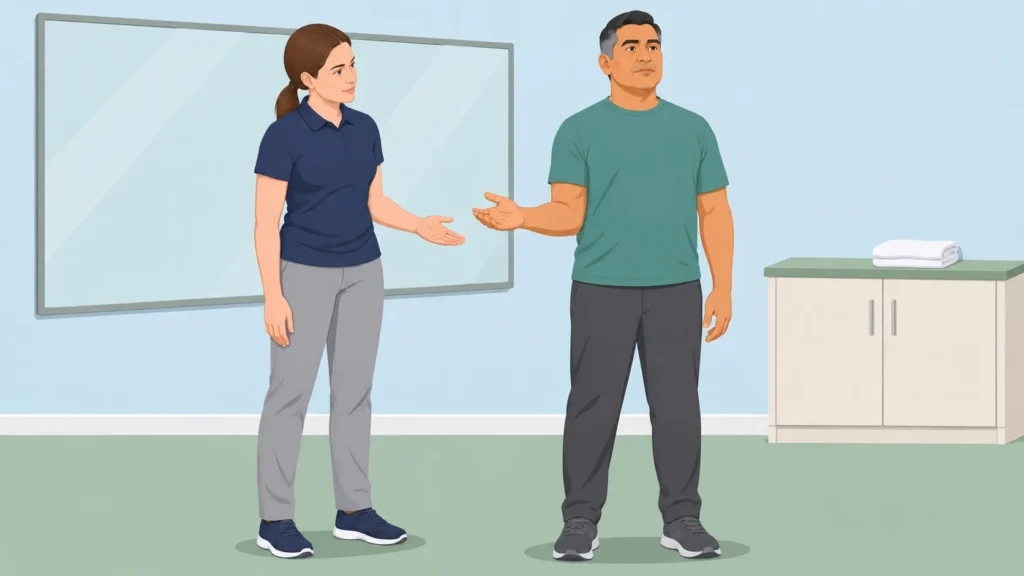
Your therapist starts by asking how symptoms began, what changes them, and which activities you want to regain. Details such as a recent workout change, an old dislocation, or difficulty sleeping help guide the examination.
Movement testing connects those concerns to observable limitations. If putting dishes away hurts, your therapist may examine reaching at different heights and how symptoms change with added weight. If fastening clothing is difficult, they may assess the movements involved in reaching behind your back.
Strength testing helps clarify how the shoulder tolerates resistance and whether pain affects effort. When appropriate, the evaluation also includes the neck, sensation, or other nerve-related findings.
No single test tells the whole story. Your therapist considers the combined findings to guide rehabilitation and determine whether further medical evaluation is appropriate.
How Physical Therapy Helps Shoulder Pain
Rehabilitation usually combines education, activity adjustments, and exercise matched to your current abilities. The plan should explain what you can practice now and how those activities connect to your goals.
For someone who struggles with overhead lifting, an initial adjustment might involve lighter objects, a lower shelf, or fewer repetitions. Exercises can then build the movement, strength, and endurance needed for higher or heavier tasks.
Hands-on treatment may help some people manage discomfort or move more comfortably. Its role is to support an active rehabilitation plan, not replace the practice needed to regain function.
Treatment should also fit your circumstances. A parent lifting a toddler, a painter working overhead, and a swimmer returning to the pool may need different progressions even when their symptoms sound similar.
Rehabilitation Progression
Rehabilitation stages often overlap. Progress depends on symptom response and function, and different activities may advance at different rates. You might become comfortable carrying groceries before you are ready for repeated overhead lifting.
| Focus | Examples of what you may work toward |
|---|---|
| Establish manageable movement | Dressing, reaching at comfortable heights, and adjusting aggravating tasks |
| Build strength and repeated-use tolerance | Lifting progressively heavier objects and completing more repetitions |
| Restore specific demands | Overhead work, gym pressing, swimming, throwing, or racquet sports |
Progress is judged by meaningful changes: easier daily tasks, better control, increased workload tolerance, and the ability to repeat activities without a prolonged increase in symptoms.
A flare-up may mean the plan needs adjustment. It does not automatically mean returning to the beginning or abandoning the activity entirely.
Returning to Work, Exercise, and Sport
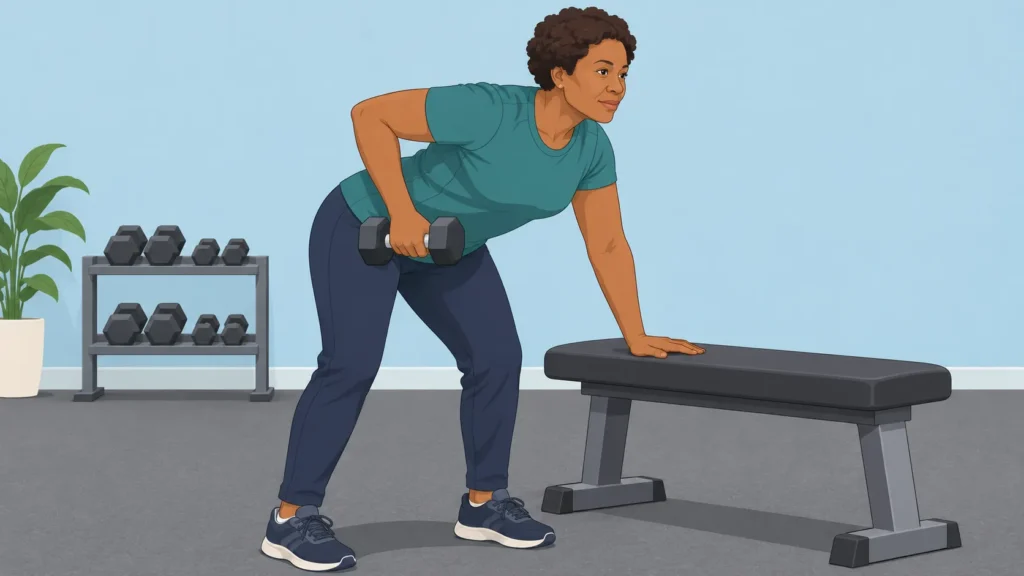
Returning successfully involves rebuilding the demands of the activity, not simply completing one comfortable repetition.
For overhead work, that may mean increasing time spent reaching before restoring a full shift. In the gym, it may involve adjusting resistance or range before rebuilding training volume. A pickleball player may tolerate short practice sessions before longer matches or repeated overhead shots.
Changing one demand at a time can make symptom responses easier to interpret. Increasing weight, repetitions, and frequency together makes it harder to know which adjustment exceeded your current tolerance.
Recovery between sessions also matters. Your plan should consider how the shoulder feels afterward and whether you can repeat the activity without worsening symptoms or declining function.
How Long Does Shoulder Pain Take to Improve?
How quickly shoulder pain improves depends on its cause and your individual circumstances. The underlying problem, symptom duration, previous injuries, health factors, and activity demands all influence progress.
Look for gradual improvements rather than expecting pain to disappear all at once. Sleeping with fewer interruptions, reaching a higher shelf, or completing a workout with a more manageable response can represent meaningful progress.
Daily symptoms may fluctuate, so the overall pattern matters. If function is not improving, symptoms keep worsening, or the same flare-up repeatedly interrupts progress, your therapist can reassess the plan and consider whether additional evaluation is needed.
FAQs About Shoulder Pain
Can physical therapy help shoulder pain that has lasted for months?
Physical therapy may help even when shoulder pain has been present for months. An evaluation can identify current limitations and guide a plan for improving movement and activity tolerance. How long you have had symptoms is one consideration, but it does not determine your potential for improvement.
Should I stop exercising if my shoulder hurts?
You may need to modify your workouts rather than stop exercising entirely. Changing resistance, range of motion, or repetitions can make some activities more manageable while you continue training other areas. Seek guidance if symptoms keep worsening, your arm feels increasingly weak, or exercise makes everyday tasks harder afterward.
Does shoulder clicking mean something is torn?
Clicking alone does not confirm a tear or another injury. Sounds without pain or functional limitations may not require treatment. Clicking accompanied by pain, locking, weakness, or a feeling that the shoulder is slipping deserves an evaluation, especially after an injury.
Why does my shoulder hurt more at night?
Lying on the affected side or holding the arm in one position can make some shoulder symptoms more noticeable. Night pain can occur with several shoulder problems and does not identify the cause on its own. If it repeatedly disrupts sleep, continues regardless of position, or occurs with other concerning symptoms, seek an evaluation.
What should I bring to my first physical therapy appointment?
Bring any relevant imaging reports or medical instructions you already have, and wear clothing that allows comfortable shoulder movement. Think about when symptoms started, which activities are difficult, and what you want to return to. You do not need to identify the cause yourself before the appointment.
Final Thoughts
You do not need to know exactly what is causing your shoulder pain before seeking help. If symptoms keep returning or make sleep, work, or exercise difficult, an evaluation can help you understand the problem and choose an appropriate next step.
Get Help With Shoulder Pain in Overland Park
If shoulder pain is limiting daily tasks, work, exercise, or sport, schedule an evaluation at Calibration Physical Therapy in Overland Park, Kansas. We can assess your symptoms and develop a plan around your needs and goals. To get started, schedule an evaluation or call 913-914-7174.
Tags

About the Author
Dr. Traci Smiley, DPT
Traci is a licensed physical therapist and owner of Calibration Physical Therapy, serving the Kansas City area. A Board-Certified Orthopedic Clinical Specialist with advanced training in manual therapy and strength conditioning, she helps individuals overcome pain and return to what they love.