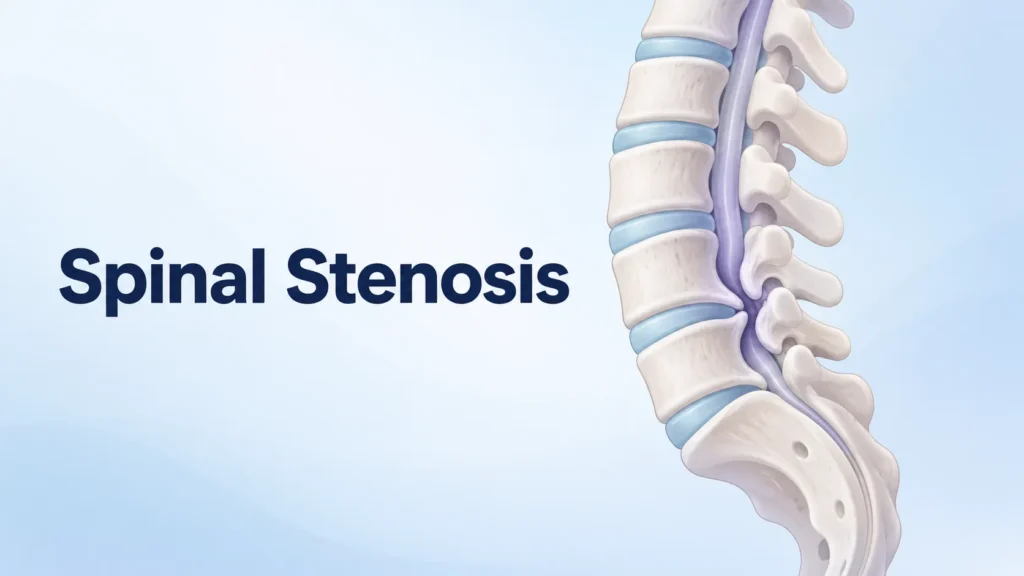
A stiff knee after sitting, a hip that hurts on stairs, or fingers that ache when opening a jar can make familiar activities harder than they used to be. Symptoms may appear while walking, exercising, working, or doing everyday tasks around the house.
Osteoarthritis is often described as “wear and tear,” but that explanation is incomplete. The condition involves changes within the joint and surrounding tissues, while symptoms are also influenced by movement, strength, activity levels, previous injuries, and recovery.
What Is Osteoarthritis?

Osteoarthritis is a condition that changes the tissues within and around a joint. It can affect the cartilage covering the joint surfaces, the bone beneath it, the joint lining, and the muscles and ligaments that control movement.
These changes may cause pain, stiffness, swelling, reduced motion, or difficulty tolerating activities that repeatedly stress the joint. Osteoarthritis commonly affects the knees, hips, hands, spine, and feet, but it can affect different joints in different ways.
The phrase “wear and tear” often describes osteoarthritis, but it is too simple. A joint doesn’t become painful because it has reached a certain level of use, and no single movement usually explains symptom development. Previous injuries, joint structure, genetics, age, strength, activity levels, and workload changes can all play a role.
Imaging can show changes within a joint, but an X-ray or MRI does not determine how much pain someone should have or which activities they can safely perform. Some people have significant joint changes with few symptoms. Others have pain and limited function that are not fully explained by imaging.
For that reason, osteoarthritis is best understood in terms of both joint changes and real-life function. Key questions include how the joint responds to movement, which activities are becoming difficult, and what factors may help you move with fewer limitations.
Why Osteoarthritis Causes Pain and Stiffness
Osteoarthritis symptoms depend on both changes within the joint and the demands placed on it. A previous injury, joint structure, age, genetics, strength, activity level, or a sudden increase in workload may affect how the joint responds to movement.
For example, knee symptoms may appear after someone suddenly adds long walks, deep squats, and several days of basketball after a period of inactivity. The issue may not be one harmful movement. The combined workload may simply exceed what the joint can handle. Treatment focuses on adjusting those demands and gradually rebuilding strength and movement, not avoiding one movement forever.
What Does Osteoarthritis Feel Like?
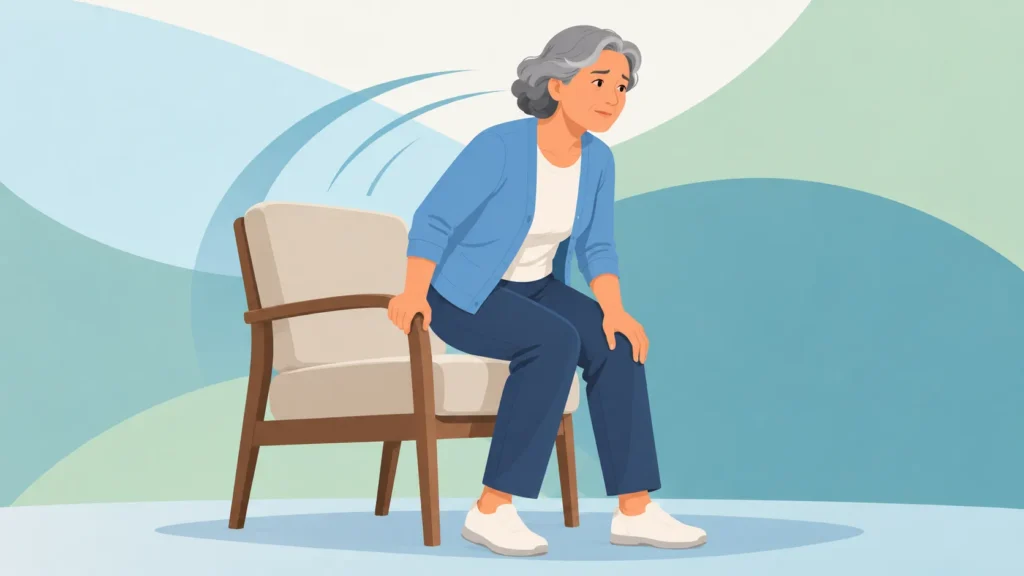
Osteoarthritis symptoms can include pain, stiffness, swelling, reduced motion, weakness, or a feeling that the joint is less reliable. Symptoms often become more noticeable during or after activity, after sitting for a while, or when repeating a demanding task.
The experience depends on the joint involved. Knee osteoarthritis may make stairs, squatting, kneeling, walking, or standing from a chair more difficult. Hip osteoarthritis may cause pain in the groin, buttock, thigh, or sometimes the knee. Hand osteoarthritis may make it harder to grip, type, open containers, or use tools.
Symptoms can also change from day to day. A short walk may feel fine, while a longer walk can cause stiffness later. Cycling may be easier than running, or flat ground may be easier than hills. Sudden changes in activity, poor sleep, illness, or prolonged time in one position may also make symptoms more noticeable.
If a joint suddenly becomes very swollen, hot, red, or severely painful, especially with fever or after a major injury, evaluate it promptly rather than treating it as routine osteoarthritis.
How Symptoms Behave During Activity

The same joint may respond differently to different activities. A person with knee osteoarthritis might tolerate cycling but struggle with stairs, running, or repeated squats. Someone with hip symptoms may manage a flat walk but notice pain on hills or after standing for a long time.
Relevant factors include force, movement speed, range of motion, number of repetitions, and recovery time. Changing any one of these can make an activity easier or harder to tolerate.
Pay attention to what happens during the activity and later that day or the next morning. A temporary increase in symptoms may simply mean you need to adjust the activity. If symptoms keep building, you change how you move significantly, or they stay worse for several days, the workload may be too high right now.
That does not mean you need to stop moving altogether. You may be able to reduce the distance, slow the pace, shorten the session, change the surface, or choose a lower-impact version while maintaining activity.
Should You Stop Exercising If You Have Osteoarthritis?
An osteoarthritis diagnosis does not automatically mean you need to stop exercising. It usually means you may need to adjust the amount, intensity, or type of activity while you rebuild tolerance.
“Pain means I am damaging the joint.”
Pain is important information, but it doesn’t automatically mean you’re damaging the joint. Symptoms can increase when an activity is currently too demanding, even when it’s appropriate to reintroduce gradually.
“Rest is the best way to protect the joint.”
A short reduction in activity may help during a flare-up. Prolonged rest, however, can reduce strength, confidence, and tolerance for everyday movement.
“An X-ray tells me what I can and cannot do.”
Imaging can show changes within a joint, but it doesn’t determine your activity limits on its own. Your symptoms, movement, strength, goals, and response to activity also matter.
A better approach is to identify the most difficult activities, temporarily modify your workload, and gradually rebuild the movements you want to perform.
Osteoarthritis vs. Rheumatoid Arthritis
Osteoarthritis and rheumatoid arthritis are different conditions, even though both can cause joint pain and stiffness.
| Feature | Osteoarthritis | Rheumatoid arthritis |
|---|---|---|
| General process | Changes in joint cartilage, bone, lining, and surrounding tissues | An autoimmune inflammatory condition |
| Common pattern | Often affects one or a few joints at first | May affect multiple joints, often in a more symmetrical pattern |
| Stiffness pattern | Often worse after inactivity and may improve with movement | Morning stiffness may last longer and may be associated with broader inflammation |
| Common joints | Knees, hips, hands, spine, and feet | Hands, wrists, feet, and other joints |
| Evaluation | Clinical evaluation, sometimes with imaging | Medical evaluation and laboratory testing may be needed |
Pain location alone cannot identify the cause. A healthcare professional can help determine whether symptoms fit osteoarthritis or another condition.
How Physical Therapy Evaluates Osteoarthritis
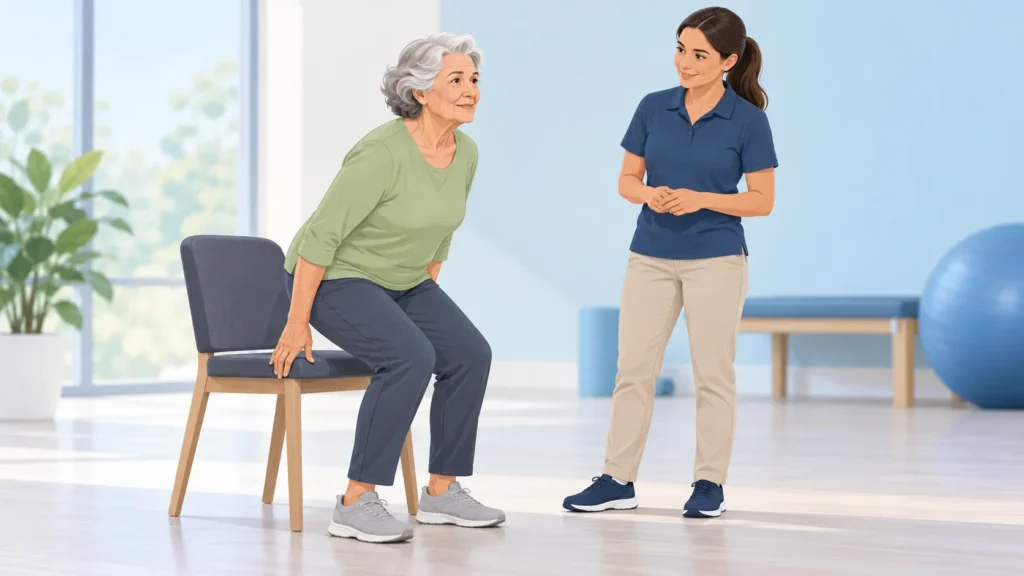
A physical therapist will ask what activities are difficult, when symptoms appear, and how the joint responds later that day or the next morning. The evaluation may focus on a task that matters to you, such as walking, using stairs, squatting, gripping, running, or getting in and out of a car.
The therapist may assess how the joint moves and how you handle the activity’s demands, such as stairs, squatting, walking, gripping, or lifting. Those findings help connect your symptoms to specific tasks and guide the next steps in treatment.
How Physical Therapy Helps Osteoarthritis
Physical therapy connects treatment to the activities you need to perform. The plan may include strengthening, mobility work, balance training, education, and changes to how you approach a task. The emphasis is on improving function, not completing a standard list of exercises.
For example, someone with knee osteoarthritis who wants to hike may work on step-down strength, uneven surfaces, walking distance, and hill tolerance. A runner may need to adjust mileage or hills while building the strength and control needed to resume training.
Treatment may also include strategies for managing a flare-up. You might temporarily reduce walking distance, use less resistance during strength training, or choose cycling instead of running. As the joint becomes more tolerant, you can gradually add those demands back.
The right starting point depends on your symptoms, current ability, and goals. Physical therapy does not require avoiding every movement that causes discomfort. It helps you find a manageable level and build from there.
Returning to Activity
Return to activity by rebuilding the demands that matter most to you. Someone returning to running may start with short walk-jog intervals before adding distance, speed, or hills. Someone returning to golf may begin with shorter sessions before playing a full round.
Change one factor at a time, such as distance, resistance, pace, duration, or frequency. Watch how the joint responds later that day and the next morning. If symptoms are consistently worse afterward, reduce the most recent increase rather than stopping all activity.
How Long Does Osteoarthritis Take to Improve?

There is no single timeline for osteoarthritis symptoms. Progress depends on the joint involved, how long symptoms have been present, your activity demands, and how the joint responds as you adjust and rebuild movement.
Improvement may mean walking farther, using stairs more easily, returning to exercise, or recovering more predictably after activity. It does not always mean becoming completely symptom-free.
If symptoms continue to worsen, repeatedly flare, or stop improving after you adjust your activity, an evaluation can help determine whether the diagnosis, workload, or treatment plan needs another look.
When to See a Physical Therapist
Consider a physical therapy evaluation when joint pain or stiffness is affecting daily tasks, work, exercise, or sport. An evaluation can also help if symptoms keep returning, you are unsure how to modify activity, or you have stopped doing things you enjoy because you are worried about making the joint worse.
Persistent swelling, reduced movement, weakness, changes in walking, or difficulty progressing on your own are also good reasons to seek help.
A joint that is suddenly hot, very swollen, or severely painful, especially with fever or after a significant injury, needs prompt medical attention.
Frequently Asked Questions
Is osteoarthritis caused by normal activity?
No. Several factors influence osteoarthritis, including age, previous injury, joint structure, genetics, strength, and changes in activity. Walking, running, and exercise do not automatically damage a healthy joint.
Can exercise make osteoarthritis worse?
Exercise can temporarily increase symptoms when the activity is more demanding than the joint can currently tolerate. That does not necessarily mean the joint is being damaged. Reducing the distance, resistance, speed, or frequency may allow you to keep exercising while symptoms settle.
Does osteoarthritis always cause pain?
No. Joint changes seen on imaging do not always match a person’s pain or activity limitations. Some people have noticeable changes with few symptoms, while others have pain that an X-ray or MRI doesn’t fully explain.
Is physical therapy helpful for osteoarthritis?
Physical therapy can help when osteoarthritis is making a specific activity harder. Treatment may include strengthening, mobility work, education, activity changes, and a gradual return to work, exercise, or sport.
When should I get evaluated for osteoarthritis symptoms?
Consider an evaluation when pain or stiffness is limiting daily activities, work, exercise, or sport, or when symptoms keep returning. If a joint is suddenly hot, very swollen, or severely painful, especially with fever or after a significant injury, seek prompt medical attention.
Final Thoughts
Osteoarthritis involves changes within and around a joint, but those changes do not determine what you can do. Movement, strength, activity demands, and recovery also shape symptoms.
Complete rest and pushing through everything are rarely the only options. A more useful approach is to find a manageable starting point and gradually rebuild the activities you want to return to.
Get Help With Osteoarthritis Symptoms
If joint pain or stiffness is limiting your daily life, work, exercise, or sport, Calibration Physical Therapy in Overland Park, Kansas, can evaluate your movement and help you return to the activities that matter to you. Schedule an evaluation to get started.
Tags

About the Author
Dr. Traci Smiley, DPT
Traci is a licensed physical therapist and owner of Calibration Physical Therapy, serving the Kansas City area. A Board-Certified Orthopedic Clinical Specialist with advanced training in manual therapy and strength conditioning, she helps individuals overcome pain and return to what they love.