
Physical Therapy Services
ACL Tear & Meniscus Injury Treatment in Overland Park
Rebuild knee strength, control, and confidence after an ACL injury with focused rehab for daily movement and return to sport.
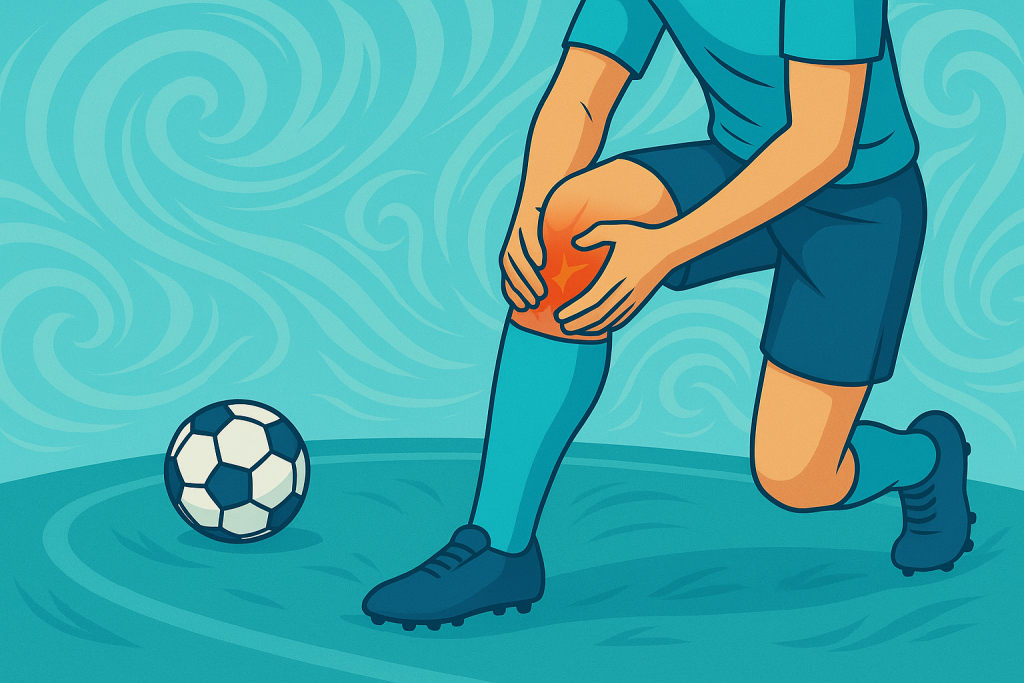
Service details
A knee injury can change how you move through the entire day. Walking, using stairs, getting in and out of a car, exercising, or turning quickly can all feel different when your knee is painful, swollen, stiff, or difficult to trust.
ACL and meniscus injuries are common in sports, but they can also happen during work, exercise, or an ordinary twist. At Calibration Physical Therapy, we help people in Overland Park understand what is limiting their knee and work toward the activities they need and enjoy.
ACL and Meniscus Injuries: What Is the Difference?
The ACL is a strong band of tissue inside the knee. It helps control forward and rotational movement when you slow down, land, or change direction. An ACL injury often raises concerns about knee stability, especially during pivoting or cutting.
The meniscus is a firm, rubbery cushion between the thighbone and shinbone. It helps distribute pressure through the knee during activities such as walking, squatting, and climbing stairs. A meniscus injury may cause pain along the joint line, swelling, stiffness, catching, or difficulty fully moving the knee.
| ACL injury | Meniscus injury |
|---|---|
| May cause instability or a feeling that the knee will give way | May cause catching, clicking, or pain with bending and loading |
| Often occurs during pivoting, landing, sudden stopping, or contact | May occur with twisting, squatting, or repeated loading |
| Can affect running, jumping, cutting, and other changes of direction | Can affect stairs, squatting, kneeling, walking, and sitting |
| Treatment decisions often consider knee stability and plans for pivoting or cutting activities | Treatment decisions often consider locking, catching, persistent swelling, and pain with loading |
Some people have an ACL injury and a meniscus injury at the same time. These injuries do not always require the same treatment. Treatment depends on which structures are involved, how stable the knee is, your symptoms, and the activities you want to resume.
How These Injuries Happen
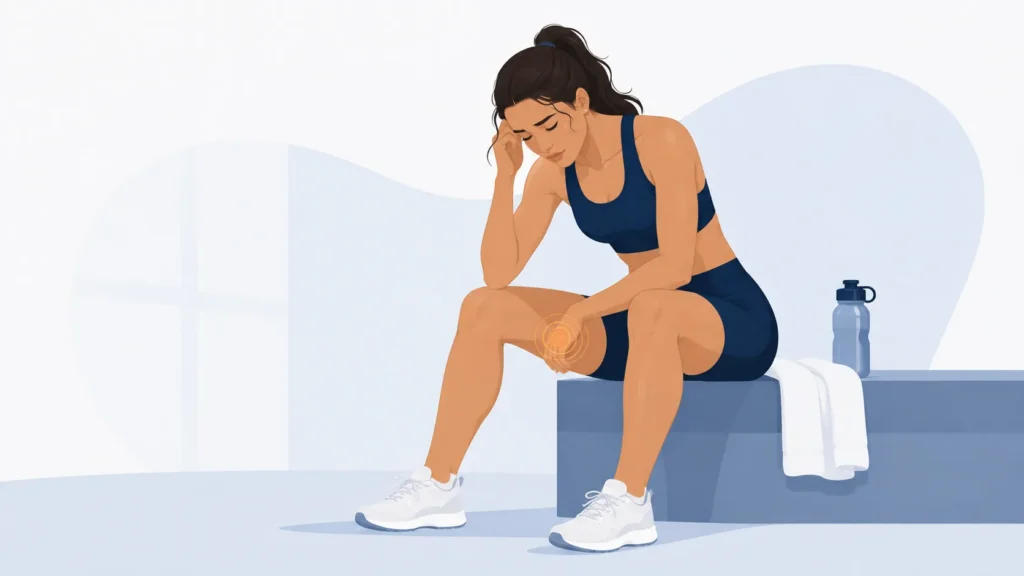
ACL injuries often happen during a quick change in movement. The foot stays planted while the body slows down, pivots, or changes direction. An awkward landing, sudden stop, or contact during sports can also put too much stress on the ligament.
Meniscus injuries can happen during a twist while the knee is bent or while the leg is carrying weight. Squatting, kneeling, turning, or landing can all load the meniscus. Some tears happen during a specific injury. Others develop gradually as the tissue changes over time.
You may remember the exact moment you injured your knee. You may have felt a pop, a shift, or immediate pain. In other cases, the problem becomes noticeable later, such as after a workout, a long day on your feet, or repeated difficulty with stairs and squatting.
How the injury happened can help guide an evaluation, but it cannot identify the problem on its own. ACL injuries, meniscus injuries, and other knee conditions can produce similar symptoms.
What an ACL or Meniscus Injury May Feel Like
A knee injury can show up immediately or become more noticeable over the next several days. You may feel a pop or shift when the injury happens, or you may first notice swelling, stiffness, or pain after activity.
Common symptoms include:
- Pain after twisting, pivoting, landing, or impact
- Swelling during the first few hours or after activity
- Difficulty fully straightening or bending the knee
- Pain or hesitation when putting weight on the leg
- A feeling that the knee may give way, especially when turning or using stairs
- Catching, clicking, or locking
- Difficulty squatting, kneeling, running, jumping, or changing direction
Instability often feels like the knee is not supporting you when you turn, step down, or walk on uneven ground. Catching or locking feels different. The knee may seem to stick, stop briefly, or resist reaching a fully straight or bent position.
These symptoms can occur with several knee conditions. They cannot confirm an ACL tear or meniscus tear without an examination. Imaging may also be recommended depending on your symptoms and examination findings.
Evaluate a locked knee, inability to bear weight, severe swelling, or repeated giving way promptly.
When Should You See a Physical Therapist?
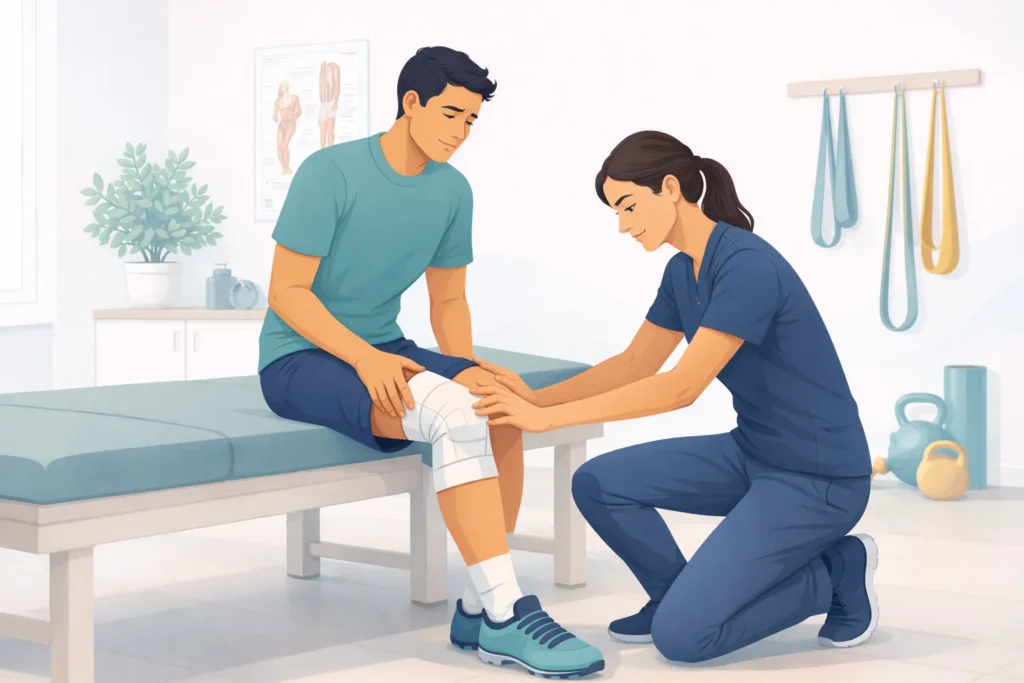
A physical therapy evaluation can help after a recent knee injury, after you receive a diagnosis, or when symptoms continue to interfere with daily life.
It may be a good time to schedule an evaluation if:
- Your knee remains painful or swollen after an injury
- You have difficulty fully straightening or bending it
- Your knee gives way when you turn, use stairs, or walk on uneven ground
- You avoid work, exercise, or sports because you do not trust the knee
- Pain or swelling returns whenever you increase activity
- You are preparing for ACL or meniscus surgery
- You are not progressing as expected after surgery
During the evaluation, we assess how the knee moves, your strength and control, your gait, and which movements trigger your symptoms. We also consider the demands of your work, exercise, or sport.
Physical therapy may be appropriate on its own, or it may be one part of care that includes an orthopedic provider. If your symptoms suggest that you need imaging or another medical evaluation, we will explain that and help you decide what to do next.
If your knee is locked, you cannot bear weight, or it is severely swollen after an injury, seek prompt medical evaluation before trying to push through a therapy program.
What to Expect During Your Evaluation
Your first visit starts with a conversation about the injury, your current symptoms, and what you need your knee to do. We may discuss how the injury happened, your pain and swelling, previous knee problems or surgeries, your work or sport, and the activities you have been avoiding. Then we assess how the knee is working.
Depending on your symptoms, this may include checking:
- How far the knee bends and straightens
- Strength in the leg and hip
- Walking and stair movement
- Balance and single-leg control
- How the knee responds to stepping, squatting, or other relevant movements
We adjust the evaluation to your symptoms and current abilities. It is not a test of how much pain you can tolerate.
By the end of the visit, you should understand what may be contributing to your symptoms, which activities may need to change for now, and what treatment can address. If your findings suggest that you need imaging or an orthopedic evaluation, we will explain that as part of the discussion.
Your initial plan may include exercises, movement guidance, activity changes, and specific work to do between visits.
ACL and Meniscus Injury Treatment
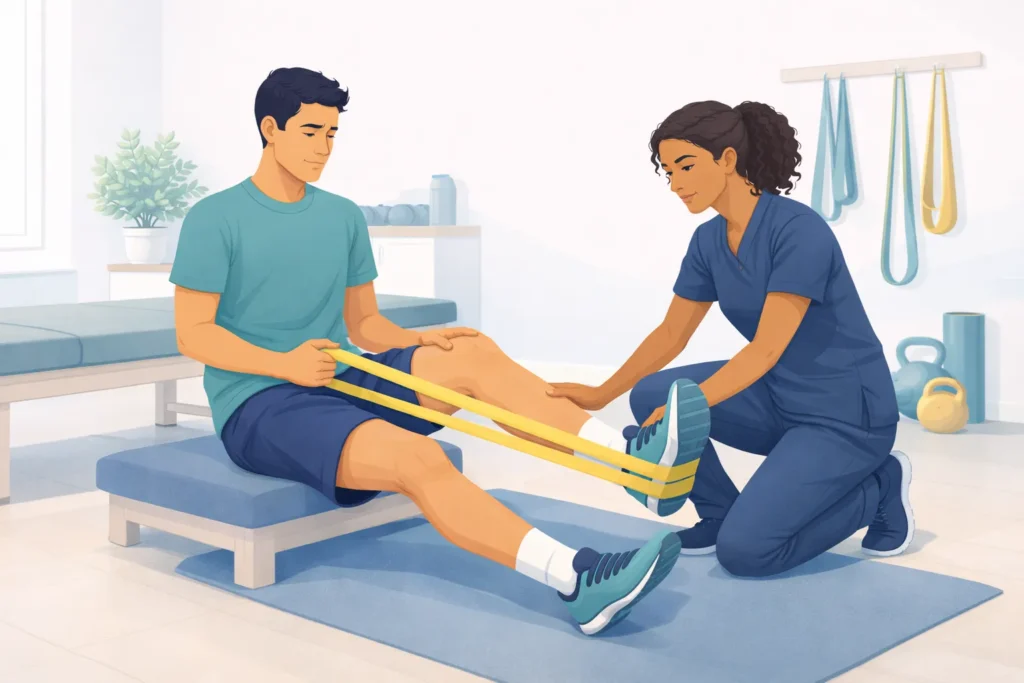
Treatment depends on the injury, your symptoms, your activity level, and whether you have had surgery. We adjust the program based on how your knee responds.
Early treatment may focus on swelling, pain, and motion. Gentle exercises and changes to daily activity can help you keep moving without repeatedly irritating the knee. If you are having trouble bending or straightening it, we address that directly because limited motion can affect walking, sitting, stairs, and squatting.
Strength work usually becomes a larger part of treatment as the knee tolerates more activity. Exercises may target the quadriceps, hamstrings, hips, calves, and trunk. We also work on balance and single-leg control so you can put weight through the leg with more confidence.
Later exercises may include stepping, squatting, landing, slowing down, and changing direction. If you are returning to running or sports, we can add running, jumping, cutting, and sport-specific drills when your knee is ready.
Your treatment may include:
- Exercises for strength, motion, balance, and coordination
- Hands-on care when it helps you move or exercise more comfortably
- Guidance for modifying work, exercise, sports, and daily activities
- A home program for practice between visits
- Strength and movement checks before increasing activity
Treatment aims to help you use your knee for the activities that matter to you, whether that means walking around the neighborhood, working a physical job, lifting at home, or returning to competition.
Rehabilitation Before and After Surgery
Physical therapy before surgery may focus on reducing swelling, restoring knee movement, and improving strength. These are also common early goals after surgery, so addressing them beforehand can give you a better starting point.
After surgery, your program depends on the procedure and your surgeon’s instructions. ACL reconstruction, meniscus repair, and partial meniscectomy have different restrictions, so a program that is appropriate for one procedure may not be appropriate for another.
Your rehabilitation may include:
- Managing pain and swelling
- Restoring the amount of knee motion allowed by your surgeon
- Rebuilding quadriceps and leg strength
- Improving walking and weight-bearing tolerance
- Regaining balance and single-leg control
- Returning gradually to work, exercise, running, or sports
Your physical therapist will adjust exercises and activity recommendations as your knee heals. Your surgeon’s instructions take priority, especially for weight bearing, range of motion, bracing, and returning to specific activities.
What Recovery May Look Like
Early changes may include less swelling, better knee extension, easier walking around the house, or less discomfort when sitting and standing.
As the knee tolerates more, you may notice that you can:
- Walk farther without a significant increase in symptoms
- Use stairs with better control
- Get in and out of a car more easily
- Sit or stand for longer periods
- Squat or kneel with less difficulty
- Return to modified exercise
- Run, jump, or change direction when appropriate
For athletes, returning to sport involves more than waiting for pain to stop. Your therapist may assess strength, balance, landing, slowing down, cutting, and the knee’s response to repeated effort.
A good day does not always mean the knee is ready for the next level of activity. We look at how it responds during the activity and later that day or the following day. That response helps guide the next adjustment.
Recovery varies based on the injury, any procedure, your symptoms, your work or sport, and how your knee responds as activity increases.
Keeping Your Knee Ready for Activity

After rehabilitation, your knee still needs regular strength and movement practice. This matters if you are returning to sports, working a physical job, exercising, or trying to stay active without repeated flare-ups.
Your program may include:
- Strengthening the quadriceps, hamstrings, hips, and calves
- Practicing balance and control on one leg
- Working on landing, slowing down, and changing direction
- Increasing exercise volume gradually
- Leaving enough recovery time between harder sessions
- Paying attention to new swelling, stiffness, pain, or instability
These exercises should match what you ask your knee to do. A recreational runner, warehouse worker, and competitive athlete may all need different levels of strength and movement practice.
If symptoms return when you increase activity, reduce the demand and discuss the change with your physical therapist or medical provider.
ACL and Meniscus Rehabilitation in Overland Park
Calibration Physical Therapy provides ACL and meniscus rehabilitation for people in Overland Park, Leawood, Prairie Village, and nearby Kansas City communities.
We work with people after a recent knee injury, before or after surgery, and as they return to work, exercise, or sports. We assess your current movement, strength, and symptoms, then build treatment around what your knee needs to handle.
Schedule an evaluation at Calibration Physical Therapy to discuss your knee and your goals.
FAQs
Can physical therapy help with an ACL or meniscus injury?
It can help restore knee motion, leg strength, balance, and control. You may use physical therapy on its own, before surgery, or after surgery. The right approach depends on the injury and how it is affecting your knee.
Do all ACL injuries require surgery?
No. Some people can manage an ACL injury with rehabilitation, especially when the knee is stable during the activities they want to do. Surgery may be considered when the knee remains unstable, when other structures are injured, or when someone wants to return to sports that involve frequent pivoting and cutting.
Do meniscus tears always require surgery?
No. Some meniscus tears improve with activity changes and physical therapy. A surgical consultation may be appropriate when the knee continues to lock, catch, swell, or remain painful despite conservative care.
Should I do physical therapy before ACL surgery?
Often, pre-surgical physical therapy focuses on reducing swelling, restoring knee motion, and improving strength. Your surgeon will determine whether pre-surgical rehabilitation is appropriate for you.
How long does ACL or meniscus rehabilitation take?
There is no single recovery timeline. Rehabilitation depends on the injury, the procedure if surgery was performed, your symptoms, your work or sport, and how your knee responds as activity increases. Your therapist will use your movement, strength, swelling, and activity tolerance to guide progression.
When should I seek medical care after a knee injury?
Seek prompt medical evaluation if you cannot bear weight, your knee is locked, swelling is severe, or the knee repeatedly gives way. Contact a medical professional if symptoms worsen or you are unsure how much activity is safe.