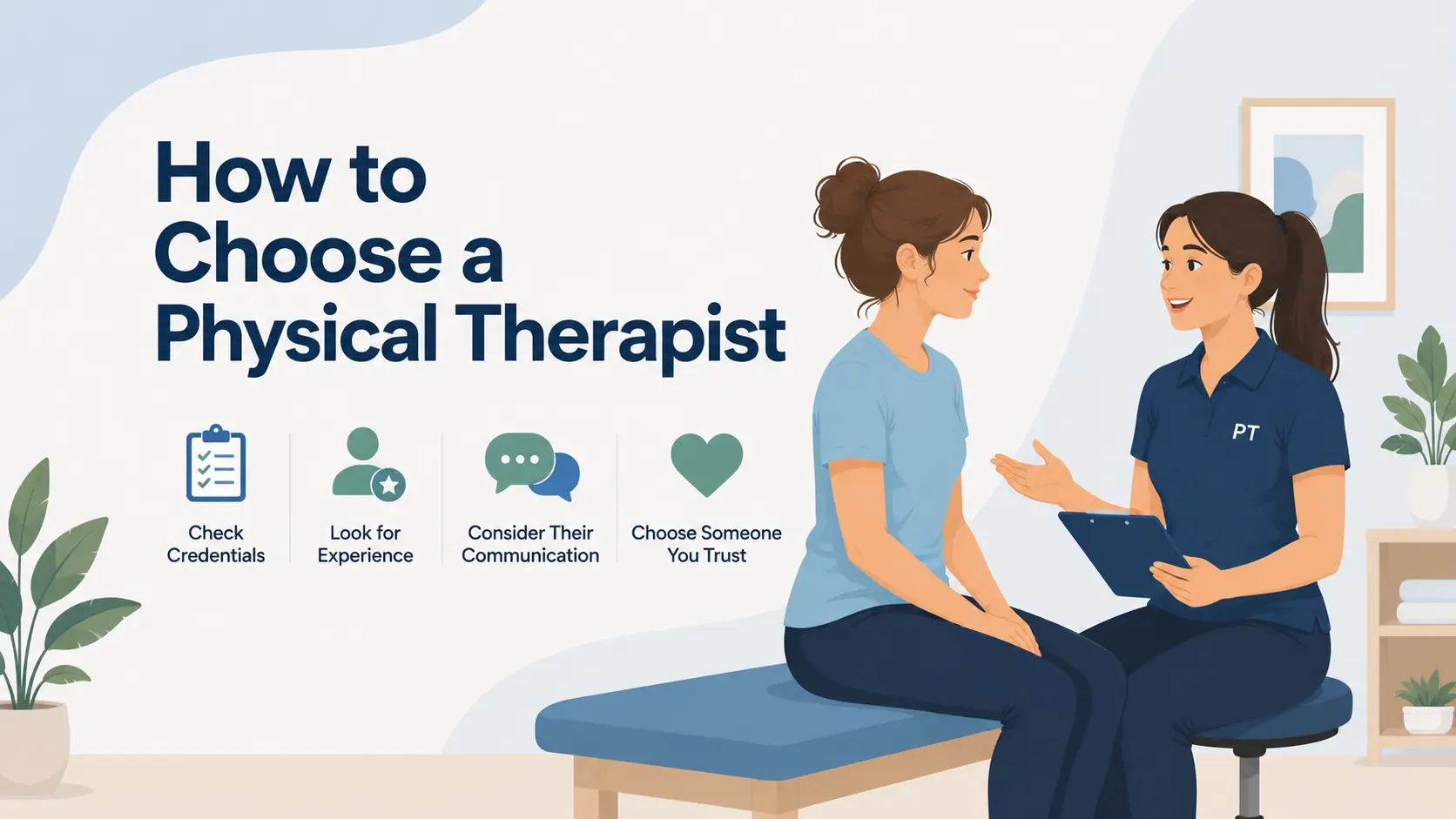
Finding the right physical therapist can be key to recovering from injury, managing chronic pain, or improving your mobility and strength.
There are several options for physical therapy in Overland Park, Kansas, so it’s important to know what to look for when making your decision. This guide will help you navigate the process and find the best physical therapist to meet your needs.
1. Seek Specialized Treatment Options
Not all physical therapy clinics offer the same types of treatments. Depending on your condition or goals, you may need specialized therapy to get the best results. Here are a few specialized treatments to consider:
NEUBIE Therapy
NEUBIE Therapy is an advanced treatment option that uses neuro-bioelectric stimulation to help re-educate muscles and improve recovery times. This cutting-edge therapy is particularly beneficial for chronic pain, injury recovery, and strength training. Learn more about how NEUBIE Therapy can benefit you by visiting our NEUBIE Therapy page.
Manual Therapy
If you’re dealing with joint stiffness or muscle tension, manual therapy may be the solution. Manual therapy uses hands-on techniques, such as joint mobilization and soft-tissue manipulation, to improve mobility and reduce pain. Make sure to choose a clinic that offers manual therapyas part of its treatment options if your condition would benefit from it.
Dry Needling
Dry Needling is another treatment that can help relieve muscle tightness, trigger points, and chronic pain. By targeting specific areas of muscle tension with thin needles, this technique can provide fast, effective relief. If this treatment sounds like a good option for you, look for a clinic that specializes in Dry Needling.
2. Check the Physical Therapist’s Credentials
A qualified physical therapist should have the right education, certifications, and experience to provide effective treatment. Here’s what to look for:
State Licensing
In Kansas, physical therapists must be licensed to practice. Make sure the therapist you choose has an up-to-date license and is in good standing with the Kansas Board of Healing Arts. You can check their license status online to ensure they meet the required standards.
Advanced Certifications
Some physical therapists go beyond basic education and pursue advanced certifications in areas such as orthopedic care, manual therapy, or sports rehabilitation. If you have a specific condition or injury, a therapist with advanced training in that area might be a better fit.
Experience in Treating Your Condition
It’s always a good idea to ask if the physical therapist has experience treating patients with your specific condition. For example, if you’re recovering from a sports injury or managing arthritis, ensure the therapist has successfully treated patients with similar conditions.
3. Location and Convenience Matter
When choosing a physical therapist, the clinic’s location plays a significant role in your treatment journey. Consistency is key in physical therapy, and choosing a clinic that is easy to reach can help you stay on track with your treatment plan.
Overland Park Location
If you’re based in or near Overland Park, finding a clinic close to home or work can make it much easier to attend appointments. Calibration Physical Therapy is conveniently located in Overland Park, offering high-quality care in a central location. To see directions or learn more, visit our Overland Park location.
Flexible Scheduling
You’ll want to choose a physical therapy clinic with flexible hours that fit your schedule. Whether you need early-morning or late-afternoon appointments, convenient scheduling options can help you keep up with your therapy routine without disrupting your daily life.
4. Ask About Personalized Treatment Plans
Every patient is unique, and physical therapy is not a one-size-fits-all solution. When choosing a physical therapist, it’s important to find a clinic that offers individualized treatment plans designed to meet your specific needs and goals.
Initial Evaluation
A good physical therapist will start with a thorough initial evaluation to assess your condition and create a personalized treatment plan. This evaluation may include movement tests, muscle strength assessments, and a discussion of your medical history and goals.
Ongoing Adjustments
As you progress, your treatment plan should be adjusted based on your improvements or any changes in your condition. Make sure the clinic you choose offers regular reassessments to track your progress and update your treatment plan accordingly.
5. Read Reviews and Testimonials
Before making your final decision, take some time to read reviews and testimonials from other patients. This can give you a good sense of the clinic’s strengths and weaknesses, as well as what kind of experience you can expect.
Online Reviews
Look for reviews on Google, Yelp, or the clinic’s website to see what other patients have to say. Pay attention to comments about the therapist’s bedside manner, communication skills, and treatment effectiveness.
Patient Success Stories
Many clinics also share patient success stories or case studies, which can provide insight into how they’ve helped others recover from similar conditions. This can give you added confidence in your choice.
6. Schedule a Consultation
Once you’ve narrowed down your options, schedule a consultation with the physical therapist. This is your opportunity to ask questions, discuss your condition, and get a feel for the clinic’s approach.
During the consultation, ask about the therapist’s experience, treatment options, and how they plan to help you achieve your goals. You should feel comfortable and confident that the therapist understands your needs and is committed to helping you recover.
If you’re ready to book a consultation or appointment, you can easily contact us today.

About the Author
Dr. Traci Smiley, DPT
Traci is a licensed physical therapist and owner of Calibration Physical Therapy, serving the Kansas City area. A Board-Certified Orthopedic Clinical Specialist with advanced training in manual therapy and strength conditioning, she helps individuals overcome pain and return to what they love.