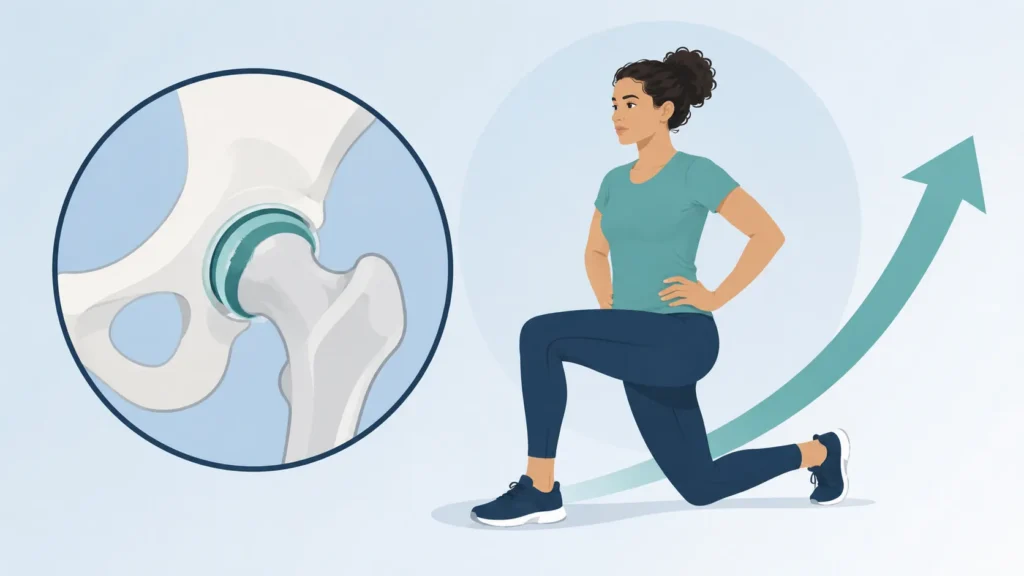
As a physical therapist in Overland Park serving the Kansas City community for over a decade, I’ve seen my fair share of cases of rotator cuff tendinosis. This condition, characterized by degeneration of the rotator cuff tendons, is particularly common among our city’s active population, from weekend warriors to professional athletes at Arrowhead Stadium.
Understanding Rotator Cuff Tendinosis
Rotator cuff tendinosis is a chronic condition that develops over time due to repetitive stress on the shoulder tendons. Unlike acute tendinitis, tendinosis involves structural changes in the tendon itself. In Kansas City, where we see a mix of office workers and sports enthusiasts, this condition can affect people from all walks of life.
According to a study published in the Journal of Shoulder and Elbow Surgery, rotator cuff tendinosis affects approximately 30% of people aged 60 or older [1]. However, it’s not just an age-related issue; younger individuals engaged in repetitive overhead activities are also at risk.
How Physical Therapy Can Help Rotator Cuff Tendinosis
As a healthcare provider dedicated to helping my community reach its potential, I can confidently say that PT is often the first line of defense against rotator cuff tendinosis. Here’s how we approach treatment:
- Pain Management: We use techniques like cryotherapy and gentle manual therapy to reduce pain and inflammation.
- Range-of-Motion Exercises: Gentle stretching helps maintain and improve shoulder mobility.
- Strengthening Exercises: We focus on progressive strengthening of the rotator cuff and surrounding muscles.
- Posture Correction: Poor posture, common among Kansas City’s office workers, can contribute to shoulder problems. We provide education and exercises to improve posture.
- Functional Training: We incorporate exercises that mimic daily activities or sports movements to ensure a safe return to normal activities.
A study in the American Journal of Sports Medicine found that a structured physical therapy program led to significant improvements in pain and function for patients with rotator cuff tendinosis, with 75% of patients avoiding surgery [2].
Kansas City-Specific Considerations
In Kansas City, we see unique cases related to our local lifestyle:
- Sports-related issues: With our love for the Royals and Chiefs, we often treat baseball and football-related shoulder injuries, as well as many other overhead athletes
- Seasonal activities: Snow shoveling in winter and gardening in spring can exacerbate rotator cuff problems.
- Work-related strain: Our growing tech industry means more desk jobs, leading to posture-related shoulder issues.
Self-Care Tips for Kansas City Residents
- Stay active, but smart: Engage in low-impact activities like swimming at Swope Park Pool.
- Mind your posture: Whether you’re working at a desk or cheering at Kauffman Stadium, maintain good shoulder posture.
- Warm-up properly: Before playing sports or doing yard work, take time to warm up your shoulders.
- Listen to your body: If you feel pain, don’t push through it. Seek professional help early.
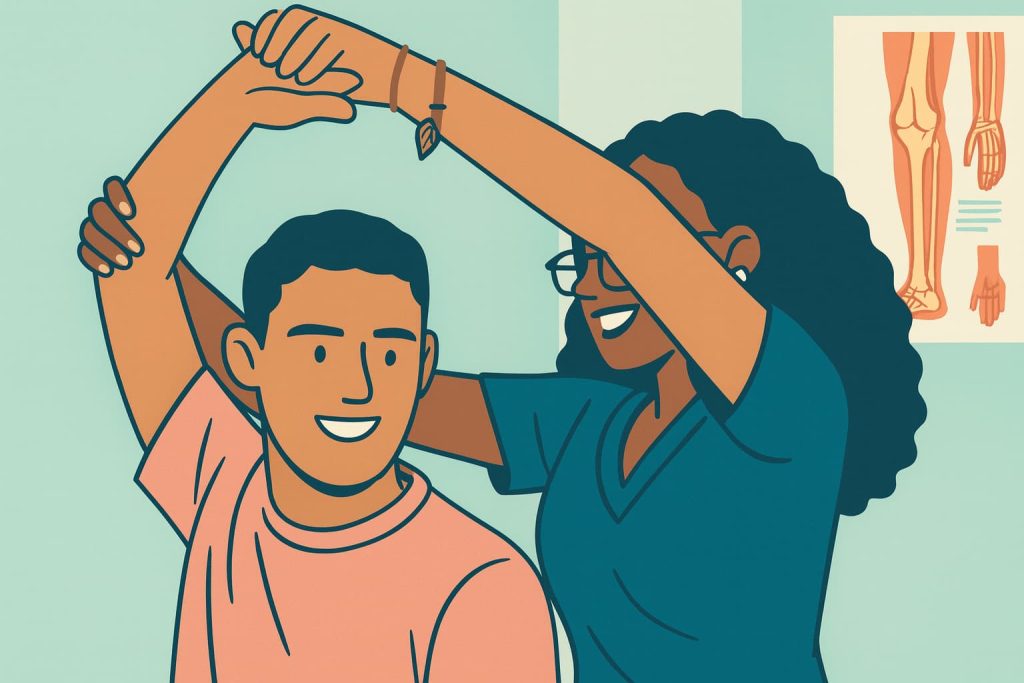
When to Seek Professional Help for Shoulder Pain
If you’re experiencing persistent shoulder pain, weakness, or limited range of motion, it’s time to consult a physical therapist.
Rotator cuff tendinosis can be a challenging condition, but with the right approach, it’s highly treatable. As a physical therapist, I’ve seen countless patients regain their shoulder function and return to their favorite activities, from golfing at Swope Memorial to kayaking on the Missouri River.
Remember, early intervention is key. If you’re experiencing shoulder pain, don’t wait – reach out to a local physical therapist and start your recovery journey today.
Reference
[1] Yamamoto A, et al. Prevalence and risk factors of a rotator cuff tear in the general population. J Shoulder Elbow Surg. 2010;19(1):116-120.
[2] Kuhn JE, et al. Effectiveness of physical therapy in treating atraumatic full-thickness rotator cuff tears: a multicenter prospective cohort study. J Shoulder Elbow Surg. 2013;22(10):1371-1379.
Tags

About the Author
Dr. Traci Smiley, DPT
Traci is a licensed physical therapist and owner of Calibration Physical Therapy, serving the Kansas City area. A Board-Certified Orthopedic Clinical Specialist with advanced training in manual therapy and strength conditioning, she helps individuals overcome pain and return to what they love.