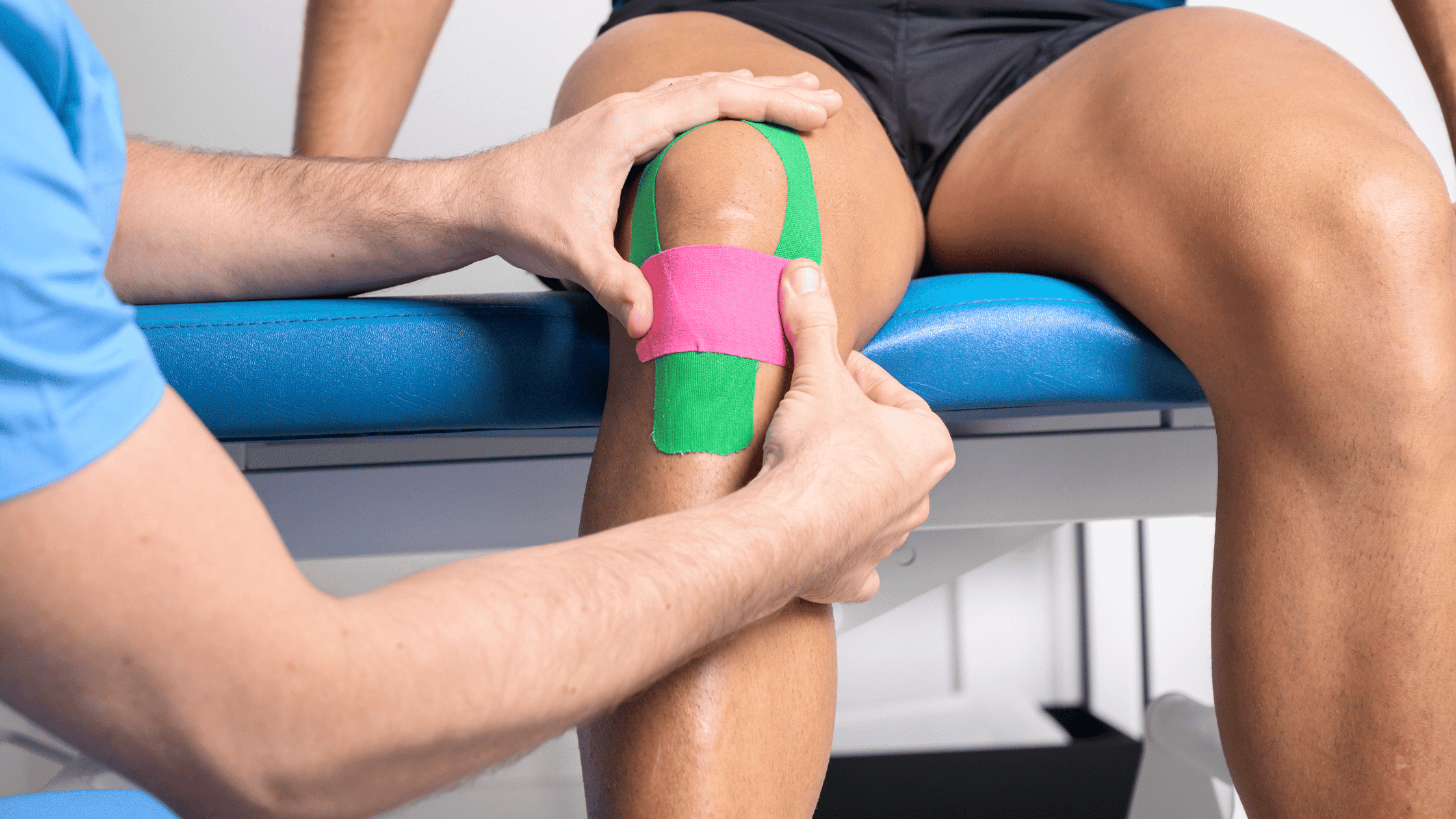
Knee pain can range from mild discomfort to severe, debilitating pain, making it difficult to tell whether it’s something minor or a more serious injury.
One common yet significant injury is to the anterior cruciate ligament (ACL), a key stabilizer of the knee. ACL injuries are one of the most common athletic injuries we treat at our Overland Park physical therapy clinic, but they can happen to anyone.
If you’re unsure about the cause of your knee pain, here are five signs it might be an ACL injury.
1. You Felt or Heard a “Pop”
One of the most telling signs of an ACL injury is a popping sensation at the time of injury. Many people report feeling or hearing a “pop” in their knee at the moment of injury.
What Does This Mean?
The “pop” occurs when the ACL tears, often due to a sudden pivot, twist, or awkward landing. This sound or sensation indicates that the ligament has been compromised, potentially leading to immediate knee instability. If you experience this kind of sensation, it’s important to seek medical attention right away to avoid further damage.
Next Steps
If you’ve felt this pop and your knee is in pain, it’s a good idea to consult with a physical therapist for an evaluation. ACL injuries often require specialized rehabilitation programs like those offered for ACL injury recovery at Calibration Physical Therapy. Getting an early diagnosis can help you start the appropriate treatment right away.
2. Swelling Occurs Quickly After the Injury
Another key indicator of an ACL tear is rapid swelling following the injury. While mild knee injuries can result in delayed swelling, an ACL tear typically causes significant swelling within a few hours.
Why Does This Happen?
When the ACL is torn, blood vessels in the ligament also rupture, leading to bleeding within the knee joint. This bleeding causes fluid buildup, leading to noticeable swelling. The faster and more severe the swelling, the more likely it is that the injury involves a torn ligament like the ACL.
What to Watch For
If your knee swells up quickly after the injury and is accompanied by pain and stiffness, you should have it evaluated as soon as possible. Physical therapists and sports medicine specialists can assess the severity of your injury and recommend appropriate treatment, including options for ACL recovery.
3. Your Knee Feels Unstable
ACL injuries often make your knee feel unstable or “wobbly.” You might feel like your knee is going to give out or buckle, especially when walking, pivoting, or going up or down stairs.
What Causes Instability?
The ACL is responsible for stabilizing the knee during movement, particularly during twisting, cutting, or sudden changes in direction. When this ligament is damaged, the knee can’t perform these movements properly, leading to a feeling of instability.
Can Physical Therapy Help?
Yes! Stability can often be improved through a targeted physical therapy program. After an ACL injury, building strength in the surrounding muscles, such as the quadriceps and hamstrings, can provide additional stability and help you regain confidence in your movements.
4. Difficulty Bending or Straightening the Knee
After an ACL tear, many people experience difficulty fully bending or straightening the knee. This limited range of motion may be due to pain, swelling, or mechanical obstruction caused by joint damage.
How Does This Affect Daily Life?
Even simple tasks such as walking, sitting, or rising from a chair can become difficult. If you notice that your knee feels stiff or locked in a particular position, you might have sustained an ACL injury. Meniscal damage, which often co-occurs with ACL tears, can also contribute to these mobility issues.
Why It Matters
Regaining a full range of motion is essential for proper recovery. Physical therapists employ specific exercises and techniques to restore the knee’s range of motion while preventing further damage. Contact us to learn about our ACL and meniscus recovery program, which includes the professional care you need to get back to normal activities.
5. Your Knee Gives Out During Physical Activity
A key sign that your knee pain may stem from an ACL tear is sudden giving out during physical activity. This can happen without warning, leaving you feeling unsteady or causing you to fall.
When Does This Happen?
This sensation often occurs during high-impact or twisting movements, such as jumping, pivoting, or rapid changes of direction. The knee can suddenly feel weak, like it won’t support your weight.
Why It’s Important to Get It Treated
Knee instability can put you at risk for further injury. If your knee gives out unexpectedly, you could end up causing more damage to your ACL, meniscus, or other structures in the knee. Receiving appropriate treatment early can help prevent further injury and promote a faster recovery.
When to See a Physical Therapist for Knee Pain
If you’re experiencing any of the signs mentioned above, it’s a good idea to see a physical therapist for a comprehensive evaluation. A therapist can help determine whether you’ve sustained an ACL injury and create a tailored recovery plan to help you regain strength, stability, and mobility in your knee.
At Calibration Physical Therapy, we specialize in ACL injury recovery and offer a personalized approach to rehabilitation. Whether you’re an athlete or dealing with an injury from everyday activities, our team can help guide you through the recovery process with expert care.
Contact Us to Get Started
Don’t wait to address your knee pain. If you think you’ve suffered an ACL injury, contact us to schedule an appointment and start your journey to recovery today.
Tags

About the Author
Dr. Traci Smiley, DPT
Traci is a licensed physical therapist and owner of Calibration Physical Therapy, serving the Kansas City area. A Board-Certified Orthopedic Clinical Specialist with advanced training in manual therapy and strength conditioning, she helps individuals overcome pain and return to what they love.