
Physical Therapy Services
Pre-Surgery Physical Therapy in Overland Park
Build strength, restore motion, and prepare your body before surgery to support a smoother recovery afterward.

Service details
Pre-Surgery Physical Therapy in Overland Park
Getting ready for surgery involves more than waiting for a date on the calendar. Pre-surgery physical therapy, often called prehab, helps you build strength, mobility, and confidence so your body starts recovery from a stronger place.
What Is Pre-Surgery Physical Therapy?
Pre-surgery physical therapy, also known as preoperative care or prehab, is a structured program that prepares your body for an upcoming procedure by improving strength, mobility, circulation, and movement patterns. Entering surgery stronger and more flexible can make the early days of recovery feel less stressful and more manageable, since your muscles and joints are already conditioned for the demands ahead.
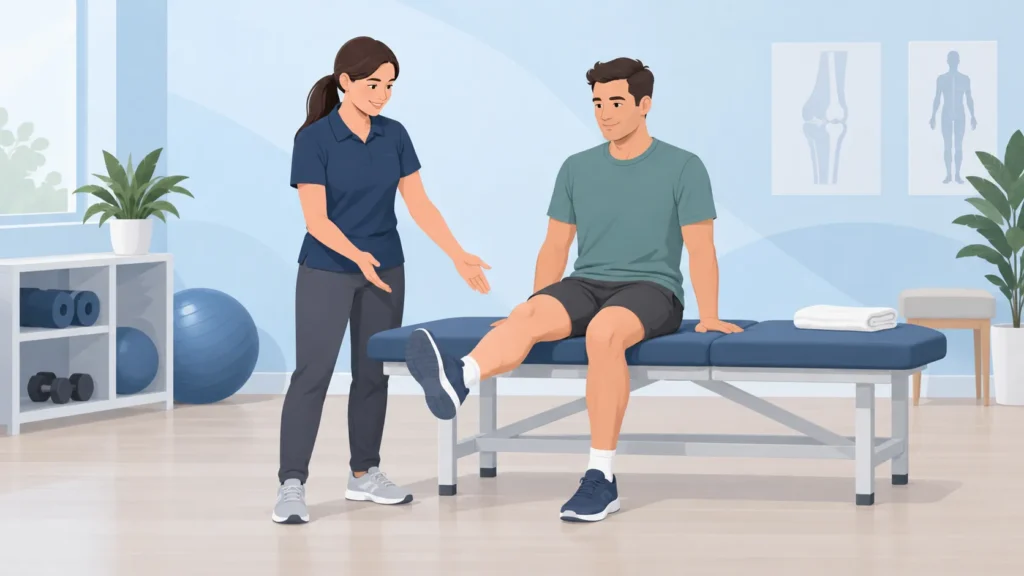
Prehab also introduces the movement strategies you will need right after surgery, such as safe standing, walking, and getting in and out of bed. Practicing these patterns beforehand, while you’re not yet dealing with post-surgical pain or restrictions, means they feel more familiar once you actually need them.
At this stage, physical therapy focuses entirely on preparation. It does not replace your surgeon’s evaluation, imaging, or medical clearance, and it is not a substitute for the surgery itself. Instead, it works alongside your surgical plan to give your body a head start.
When Pre-Surgery Physical Therapy May Be Considered
Pre-surgery physical therapy is worth considering for orthopedic, musculoskeletal, or abdominal surgeries, including:
- Joint replacements (knee, hip, shoulder)
- ACL and meniscus repairs
- Spinal surgeries such as discectomy, fusion, or laminectomy
- Rotator cuff and shoulder procedures
- Fracture repairs and tendon surgeries
- Abdominal or hip surgeries
If your upcoming surgery involves your muscles, joints, or movement, a preoperative evaluation can help identify where you’re starting physically and which areas to focus on in the weeks beforehand. This is especially useful if you already notice weakness, stiffness, or guarding around the area being operated on, since those patterns can carry over into early recovery if you don’t address them first.
What Your Evaluation Can Help Determine
A Doctor of Physical Therapy performs a comprehensive assessment that typically includes strength and mobility testing, a balance and coordination check, and a review of your movement patterns alongside your surgical plan. This evaluation gives your therapist a clear picture of which muscle groups and movements to prioritize before your procedure.
It also helps set realistic expectations. Knowing your current strength and mobility baseline makes it easier to track progress leading up to surgery and gives your therapist a reference point for how your recovery is likely to progress afterward. If anything in your evaluation raises concerns outside the scope of physical therapy, your therapist will let you know and coordinate with your surgical team as needed.
What to Expect From Pre-Surgery Physical Therapy
The ideal time to begin prehab is 4 to 6 weeks before surgery, which gives your body enough time to build strength, flexibility, and endurance without rushing. If your surgery date is sooner, we can adjust your program to focus on the areas that will make the biggest difference in the time you have.
A typical program tends to progress in phases:
| Timeframe | Focus |
|---|---|
| 4–6 weeks before surgery | Strength, flexibility, and mobility training |
| 2–3 weeks before surgery | Balance, coordination, and conditioning |
| Final week | Practicing safe post-op movements (transfers, sitting, standing, walking) |
If your surgery date is closer than 4 to 6 weeks out, these phases compress rather than disappear. Even a shorter program in the final weeks before surgery can still provide a meaningful benefit.
During a Pre-Surgery Physical Therapy Session
Sessions are built around the muscles and joints affected by your upcoming surgery, based on what your evaluation showed. Depending on your needs, a session may include targeted strengthening exercises, range-of-motion work to reduce stiffness, and breathing or circulation exercises that support healing and reduce post-surgical risk. Your therapist will also walk you through the specific movement patterns you’ll use right after surgery, so they feel practiced rather than unfamiliar.
You’ll leave most sessions with a home exercise program to keep progressing between visits. This keeps momentum going outside the clinic and helps you arrive at your surgery date having done consistent, focused work rather than relying on a single evaluation.
How Pre-Surgery Physical Therapy May Fit With Other Treatments
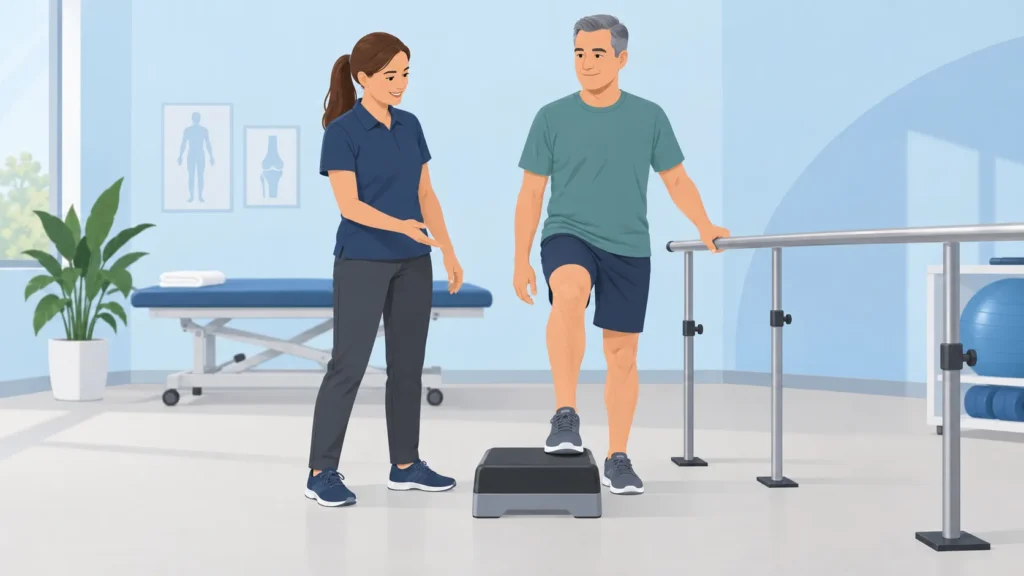
Pre-surgery physical therapy is often paired with other treatments depending on your pain levels and how your body is responding in the weeks leading up to surgery. If you’re managing discomfort or stiffness during prehab, your therapist may add manual therapy, dry needling, or NEUBIE therapy alongside your strengthening and mobility work. These aren’t standard additions for every patient. They’re added based on what your evaluation and ongoing sessions show, so your program stays specific to what your body needs going into surgery.
NEUBIE uses targeted electrical stimulation alongside active exercise to help you engage a muscle more effectively during movement, and you may consider it if weakness or difficulty activating a muscle is limiting your prehab progress.
Safety and Comfort Considerations
Pre-surgery physical therapy is designed to work alongside your surgeon’s guidance, not replace it. Keep your surgical team informed about your physical therapy plan, and follow any activity restrictions or precautions they’ve given you before your procedure.
During sessions, let your therapist know about any new or worsening pain, swelling, numbness, or other symptoms so they can adjust your program as needed. Prehab is meant to build you up, not push through symptoms that could signal something your surgeon should be aware of. If you have questions about whether a specific exercise or activity is appropriate given your surgery type, your therapist can help you understand what’s reasonable, but final clearance on medical matters always comes from your surgeon. Preoperative physical therapy does not replace medical clearance, imaging, or your surgeon’s own pre-surgical instructions.
FAQs About Pre-Surgery Physical Therapy
Do I need a referral for pre-surgery physical therapy?
In most cases, you don’t need a referral to begin. Kansas allows direct access, meaning you can schedule an appointment with a physical therapist without a prescription. Some insurance plans may still require a referral, and our team can help verify your benefits before your first visit.
How soon before surgery should I start, and how many sessions will I need?
Prehab is most effective when started 4 to 6 weeks before surgery, with visits typically 1 to 2 times per week during that window. If your surgery is sooner, we can adjust your program to an accelerated schedule, and even a few targeted sessions can still help with stiffness and early recovery comfort.
Can pre-surgery physical therapy help reduce pain?
Yes. Pre-surgery physical therapy can help decrease pain by improving joint mechanics, reducing stiffness, and teaching movement strategies that protect sensitive areas. Many patients report feeling stronger and more comfortable even before surgery.
What happens during a pre-surgery physical therapy evaluation?
Your Doctor of Physical Therapy performs a full movement assessment, including strength testing, flexibility analysis, balance evaluation, and a review of your surgical plan. This helps build a program focused on the exact muscles and joints involved in your upcoming procedure.
Does insurance cover pre-surgery physical therapy?
Most insurance plans cover physical therapy, including preoperative care, though coverage varies by plan. Our administrative team can help verify your benefits and answer policy questions before treatment begins.
Schedule a Pre-Surgery Physical Therapy Evaluation in Overland Park
If you have a surgery date on the calendar, starting pre-surgery physical therapy early can help you enter your procedure feeling stronger and more prepared. Schedule an evaluation with our Overland Park team, or call (913) 914-7174 to get started.