What is Load Tolerance?
Load is the physical demand an activity places on the body. Load tolerance describes how well a person can handle a given amount of that demand. A physical therapist considers what the person can do, how symptoms and movement change during the task, and how the person recovers afterward.
The load involved in getting up from a chair includes the effort required from the muscles and joints of the legs. A lower chair changes the range of motion and effort involved. Getting up several times adds repetition. Someone recovering from knee pain might handle a few repetitions from a kitchen chair comfortably but find repeated lifts from a low couch harder.
Strength contributes to load tolerance. So do endurance, movement speed, and the ability to repeat it over time. A single lift can show how much force someone can produce in that moment. A work shift adds questions about how often they lift, how far they carry each load, and how their performance changes as the shift goes on.
What Changes the Load of an Activity?

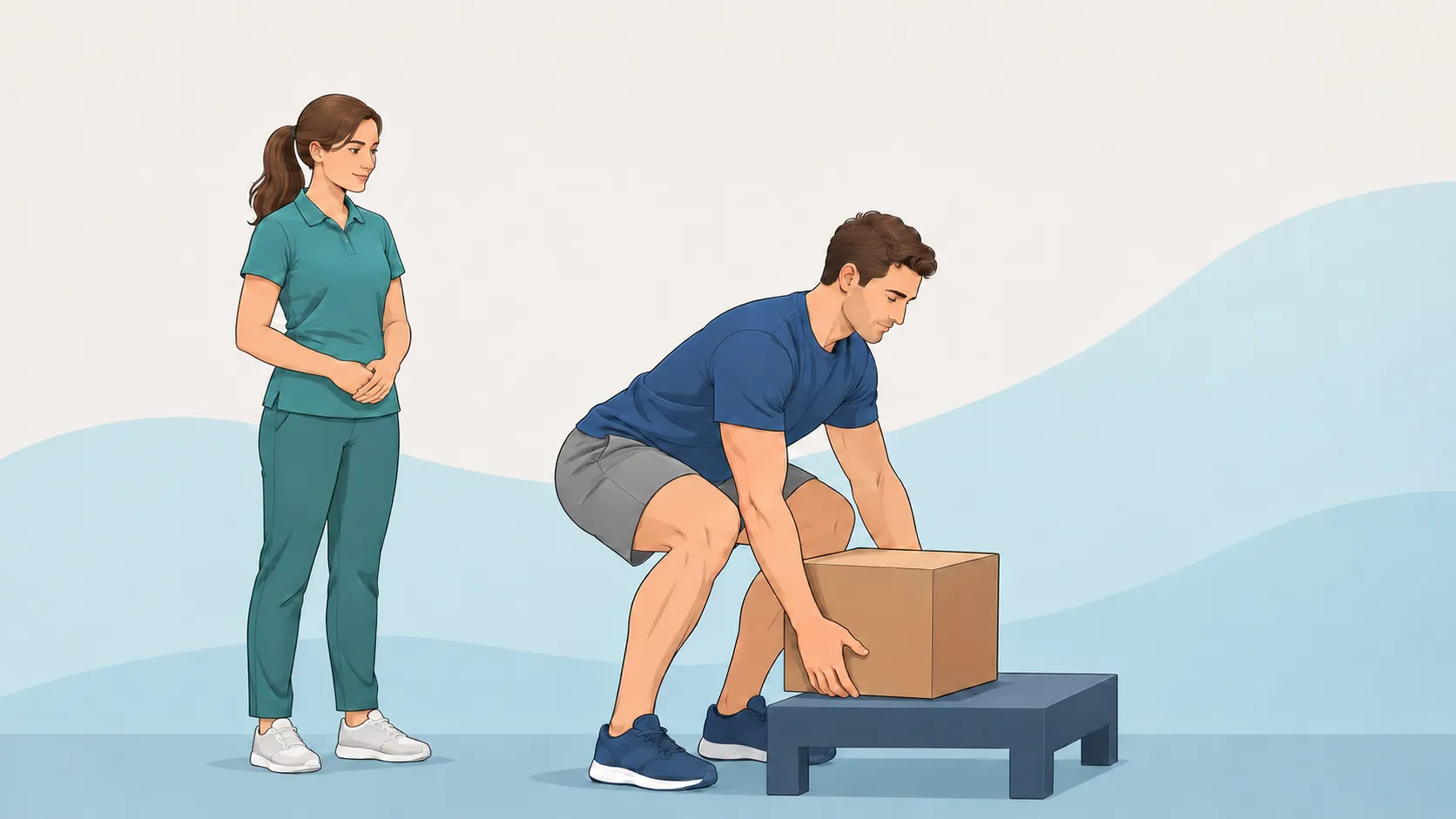
Weight is one way to change load. The same weight can also become more demanding when it moves faster, starts farther from the body, or has to be lifted more often. That’s why a physical therapist asks what the activity actually involves. “Lifting at work” could mean moving light packages off a waist-high conveyor or picking up heavier boxes from the floor and carrying them across a room.
The same principle applies to running. Distance tells you how far someone went. Pace, hills, and the number of runs in a week describe other parts of the demand. A runner who adds hills and mileage at the same time may notice symptoms even though their usual flat route has been manageable. If both changed, the symptom response alone gives limited information about which change mattered most.
Tolerance itself can change. After an injury or time away from an activity, a familiar workload can take more effort than it used to. With rehabilitation, a person may gradually handle more repetitions, more force, or more frequent sessions. Those gains can show up at different times because each asks something different of the body.
What Symptoms Can Tell You About Load Tolerance

Some symptoms appear as soon as a task begins. Others show up after enough repetitions, near the end of a session, or later that day. The timing helps a therapist understand which demands to explore. Shoulder discomfort on the first overhead reach, for example, raises different questions than discomfort that develops only after putting items on a high shelf for an hour.
Changes in function also matter. A person may finish a walk but slow down considerably near the end. A runner may feel comfortable during a session and find that stairs are harder the following morning. In each case, the effect on movement or daily activity adds context to what the person felt in the moment.
Pain intensity is one part of that assessment. A single rating provides limited information about what brought on symptoms, how long they lasted, or what the person could do afterward. A therapist interprets those details alongside the history and exam. The same symptom response can have different implications depending on the injury, the stage of recovery, and the activity involved.
How Physical Therapists Assess Load Tolerance
The evaluation starts with a specific task. If someone wants to return to running, the therapist might ask how long they can run before symptoms begin, what happens on hills, and how walking or stairs feel afterward. For someone who has trouble near the end of a shift, the therapist might ask about lifting height, carrying distance, breaks, and how the work is distributed across the day.
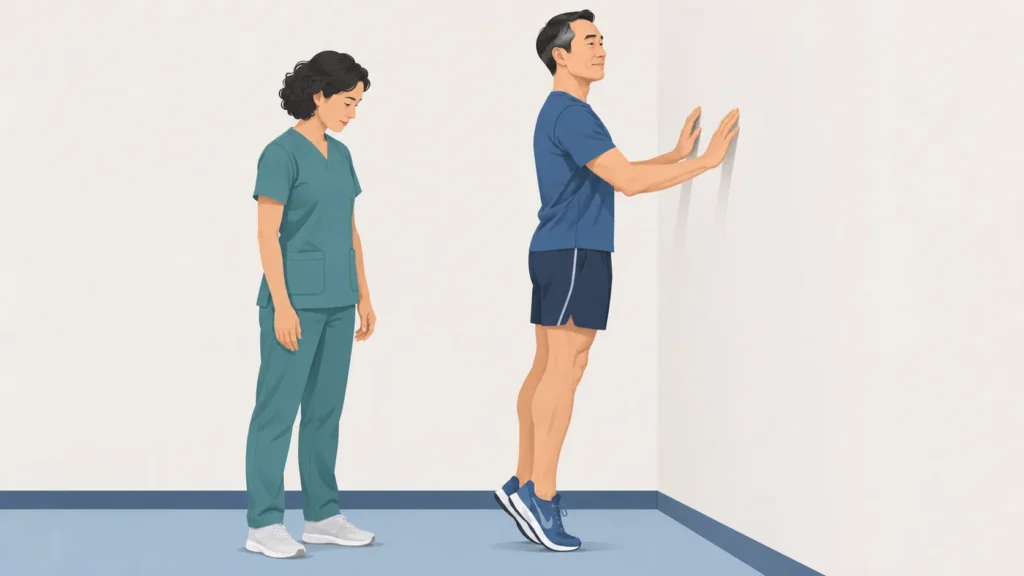
The exam then looks at parts of the activity that can be assessed in the clinic. For a runner with heel symptoms, a therapist might watch repeated heel raises and see how high the heel lifts, how that changes with repetition, and whether the movement brings on familiar symptoms. For a worker who has difficulty lifting from a low shelf, the therapist might compare lifts from two heights and observe what changes as the task is repeated.
If someone can lift a box repeatedly from waist height but struggles when it starts closer to the floor, the therapist might keep the weight manageable and practice lifting from progressively lower heights. If the person handles both heights well at first and struggles only after several lifts, the therapist might focus on building the ability to repeat the task. The difference helps determine what to work on first.
How Physical Therapy Helps You Build Load Tolerance

Rehabilitation typically combines a manageable level of activity with exercises that prepare the person for what they need to do. A therapist may adjust the amount of an activity temporarily while building the strength, endurance, or movement needed to return to it. The starting point depends on the condition and the person’s response.
For a runner with heel symptoms, this might mean using calf exercises to build repeated effort while keeping walking or running on terrain they currently manage. As their ability improves, the therapist can increase the exercise challenge or change the running session. For midportion Achilles tendinopathy specifically, the clinical practice guideline supports progressive tendon loading as a first-line treatment for people without suspected tendon fragility.
Progression is specific to the goal. The examples below show how to add different demands as function and recovery allow. These steps can overlap, and the order depends on what the person needs to do and what they can already manage.
| Goal | What rehabilitation builds | What can be added |
|---|---|---|
| Run a route with hills | Repeated calf effort and a manageable amount of flat running | Longer running intervals, sustained running, or hills |
| Lift boxes throughout a shift | A manageable lift at a familiar height | Lower lifting heights, longer carries, or more repetitions |
| Put items away overhead | Reaching through a manageable range with a light object | Higher shelves, heavier objects, or repeated reaches |
A therapist can use the response to a change to plan the next one. For example, a worker may handle a heavier box from waist height but still have difficulty with repeated lifts from the floor. If the job requires both, the plan needs to address both. The weight someone can lift is one measure of progress. How well they handle the range and repetition required at work is another.
How Do You Know Load Tolerance Is Improving?

One sign is that the same workload becomes easier. Someone can finish the same walk with fewer breaks, use the stairs with less stiffness after a run, or maintain a consistent lift later into a shift. Comparing similar tasks helps show what has changed.
Readiness for a regular work schedule depends in part on how well the person handles consecutive shifts. A therapist may ask whether the usual lifts are still manageable on consecutive workdays and whether symptoms interfere with walking, stairs, or other activities after work.
When symptoms repeatedly flare at a workload that has already been adjusted, or when daily tasks get harder, a physical therapy evaluation can clarify what’s limiting progress. The therapist can review how the activity has changed, assess the movement and effort involved, and determine what to address first.
FAQs About Load Tolerance
Does soreness the next day mean I did too much?
Next-day soreness is one part of the picture. A physical therapist will also ask how long it lasts and whether it changes what you can do. Mild soreness that eases as you go about your day tells a different story than soreness that makes stairs harder or affects how you move during the next session. If that second pattern keeps happening, you may need to adjust the activity.
Can load tolerance improve if I still have some pain?
It can. Improvement may show up as being able to walk farther, complete more repetitions, or recover more easily after the same activity, even if some symptoms are still present. A therapist considers those changes alongside the type of symptoms, the condition being treated, and the effect on daily function.
Why can I do an activity one day and struggle with it the next?
The activity may be the same while the demands leading up to it differ. A run after a day off can feel different from the same run after a long shift on your feet. Looking at what happened earlier that day and between sessions helps put that difference in context.
Does resting improve load tolerance?
A period of reduced activity can give symptoms a chance to settle, depending on the condition. Building tolerance usually involves gradually practicing the demands you need to return to. For someone who wants to get back to hiking, that might mean building walking duration before adding steeper terrain or a heavier pack.
How long does it take to build load tolerance?
It depends on the condition, your starting point, and the demands of your goal. Returning to a short walk and returning to several consecutive days of physically demanding work require different levels of preparation. Changes in what you can do and how you recover give you a way to assess progress along the way.
Final Thoughts
Load tolerance connects an activity’s physical demands with how a person responds. In physical therapy, that connection helps explain why a task is difficult, guides the starting point for rehabilitation, and gives the therapist and patient a way to judge progress toward a specific goal.
Get Help With Activity-Related Pain
If pain or stiffness is limiting your work, exercise, or daily activities, schedule an evaluation with Calibration Physical Therapy in Overland Park, Kansas. A physical therapist can assess the demands that give you trouble and help you build toward the activities you want to return to.
Tags

About the Author
Dr. Traci Smiley, DPT
Traci is a licensed physical therapist and owner of Calibration Physical Therapy, serving the Kansas City area. A Board-Certified Orthopedic Clinical Specialist with advanced training in manual therapy and strength conditioning, she helps individuals overcome pain and return to what they love.