An ACL tear is one of the most common and impactful knee injuries, particularly among athletes, active adults, and anyone who enjoys movement. If you’ve ever twisted your knee awkwardly or felt something “give out”, you may wonder: How do you know if it’s actually an ACL tear?
This article breaks down what an ACL tear feels like, what to look for right after it happens, and how it’s treated.
What Is the ACL?
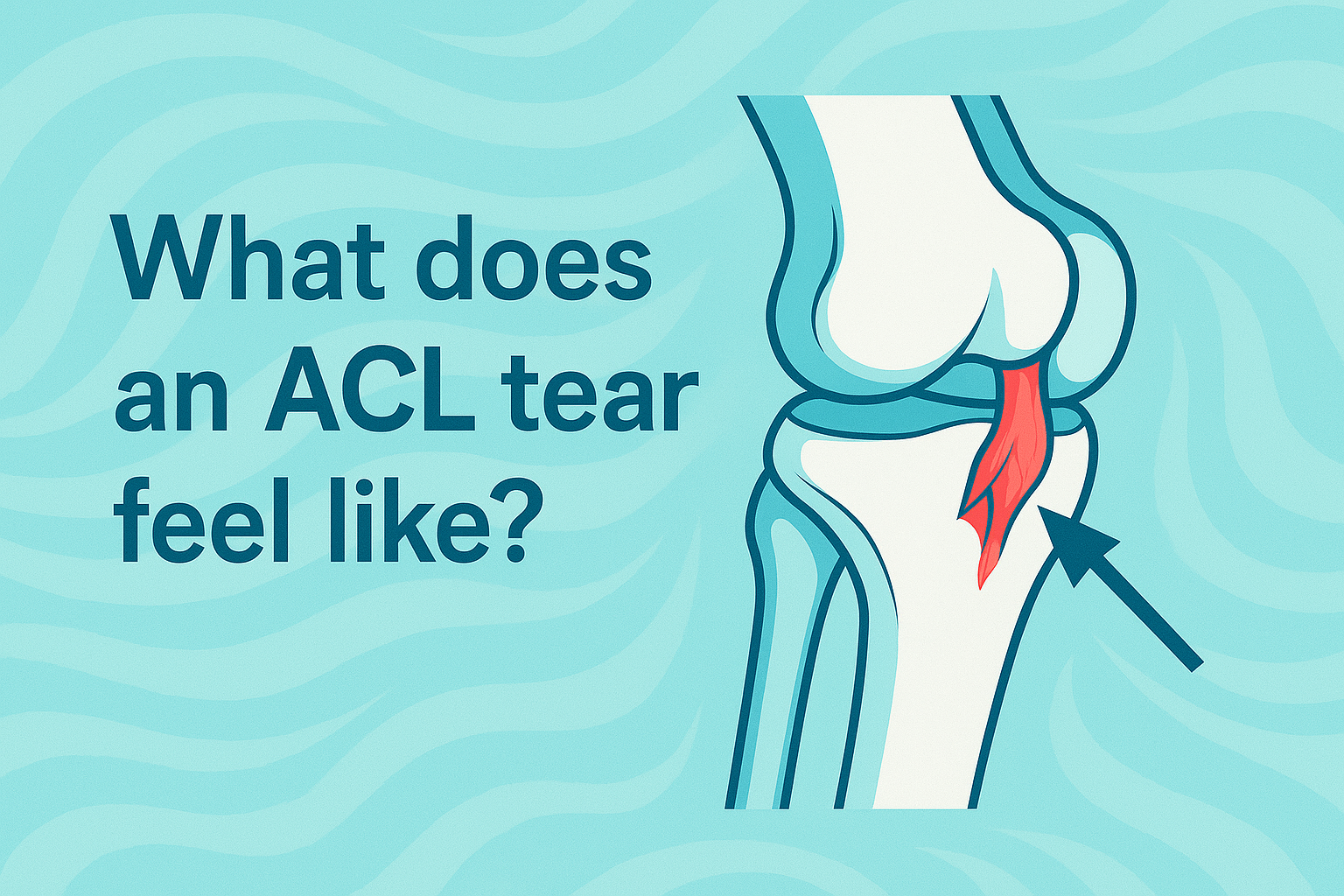
The anterior cruciate ligament (ACL) is one of four key ligaments that stabilize your knee joint. It connects your thigh bone (femur) to your shin bone (tibia) and helps prevent the knee from sliding forward too far.
ACL injuries typically occur during sports or sudden movements that involve:
- Rapid direction changes
- Sudden stops
- Pivoting or twisting motions
- Jumping and landing awkwardly
What an ACL Tear Feels Like in the Moment
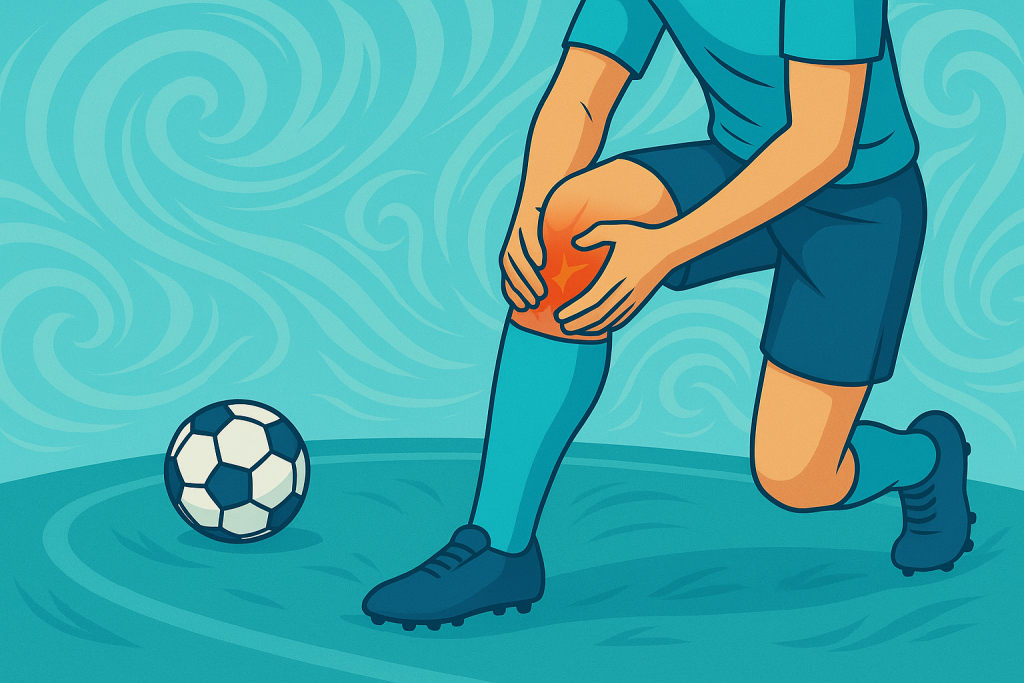
When an ACL tear occurs, most people describe a distinct sensation that stands out from other types of injuries. Common signs include:
- A loud “pop” or snapping sound. Many people report hearing or feeling a pop deep inside the knee at the moment of injury.
- Sudden, sharp pain. The initial pain can be intense, causing you to stop activity immediately.
- Immediate instability. It can feel like your knee “gives out” or can’t support your weight.
- Swelling within a few hours. The knee often begins to swell quickly (sometimes dramatically) due to internal bleeding from the torn ligament.
If you notice these symptoms after a sports injury or awkward movement, it’s important to stop activity and seek medical evaluation promptly.
What an ACL Tear Feels Like Later
Once the initial swelling and pain subside, the lingering sensations of an ACL tear may include:
- A feeling of looseness or instability. You may feel like your knee wobbles or could buckle unexpectedly.
- Difficulty walking or going down stairs. The knee may feel insecure or give out during everyday activities.
- Persistent swelling or stiffness. The joint often remains swollen and tight for days or weeks.
- Limited range of motion. Bending or straightening the knee fully can be difficult without discomfort.
It’s worth noting that pain isn’t always severe after the first few days. Instability is what usually distinguishes an ACL injury from minor sprains or bruises.
How to Tell the Difference Between an ACL Tear and a Sprain
While only a medical exam (and often an MRI) can confirm an ACL tear, here’s a general guide:
| Symptom | ACL Tear | Knee Sprain/Strain |
|---|---|---|
| Audible pop at injury | Often | Rarely |
| Immediate swelling | Within hours | May develop slowly |
| Knee instability | Common | Less common |
| Pain level | Sharp, sudden | Dull, variable |
| Weight-bearing ability | Difficult or impossible | Usually possible |
If your knee feels unstable or you hear a pop, it’s best not to guess. Have it evaluated by a physical therapist or orthopedic specialist.
If you’re located in Overland Park or the Kansas City area, you can book a session with us for timely assistance and evaluation.
What to Do If You Suspect an ACL Tear
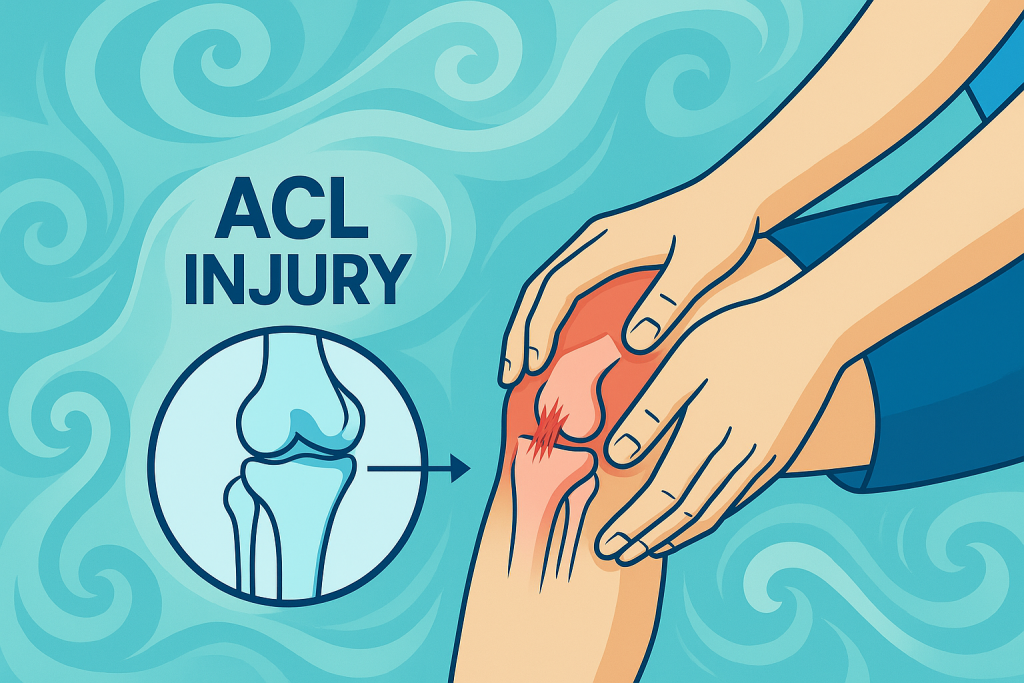
If you suspect an ACL tear, follow these steps:
- Stop activity immediately. Continuing to move on an unstable knee can worsen the injury.
- Use the R.I.C.E. method. Rest, ice, compression, and elevation help control swelling.
- Seek medical evaluation. A physical therapist or doctor can perform stability tests and refer you for imaging if needed.
- Avoid self-diagnosis. Some ACL tears occur alongside meniscus or MCL injuries, which require targeted care.
Recovery and Rehabilitation
Treatment depends on the severity of the tear and your activity level.
- Partial tears may respond to structured physical therapy focused on strengthening and stability.
- Complete tears may require surgical reconstruction followed by rehabilitation.
Physical therapy plays a critical role in non-surgical and post-surgical recovery. Rehab focuses on:
- Reducing swelling and restoring motion
- Strengthening surrounding muscles (quadriceps, hamstrings, hips)
- Improving balance and joint control
- Safely progressing back to sport or activity
A personalized recovery plan ensures your knee regains both strength and confidence. Contact us to schedule a visit and form a recovery plan.
When to See a Physical Therapist
If you’ve experienced any of the following, schedule an evaluation as soon as possible, ideally within 24-72 hours of injury, for the most accurate assessment:
- A popping sound at the time of injury
- Rapid swelling
- Difficulty bearing weight
- Knee instability or “giving way”
- Ongoing discomfort weeks after the incident
A physical therapist can help determine whether it’s likely an ACL injury, coordinate with your physician, and guide you through a safe recovery process.
Summary
An ACL tear typically feels like a pop, followed by pain, swelling, and instability in the knee. Even if symptoms seem manageable, it’s important to get an expert assessment. Early diagnosis and rehabilitation can significantly improve long-term outcomes and help you get back to moving confidently again. With proper treatment and rehabilitation, most people with ACL tears can return to their previous activity levels, including daily tasks and competitive sports.
Tags

About the Author
Dr. Traci Smiley, DPT
Traci is a licensed physical therapist and owner of Calibration Physical Therapy, serving the Kansas City area. A Board-Certified Orthopedic Clinical Specialist with advanced training in manual therapy and strength conditioning, she helps individuals overcome pain and return to what they love.