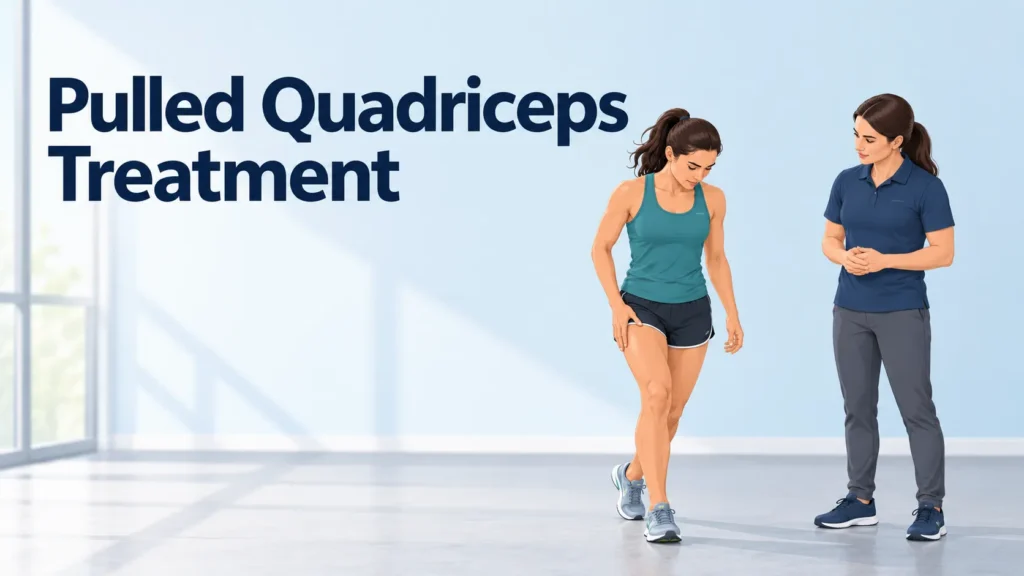
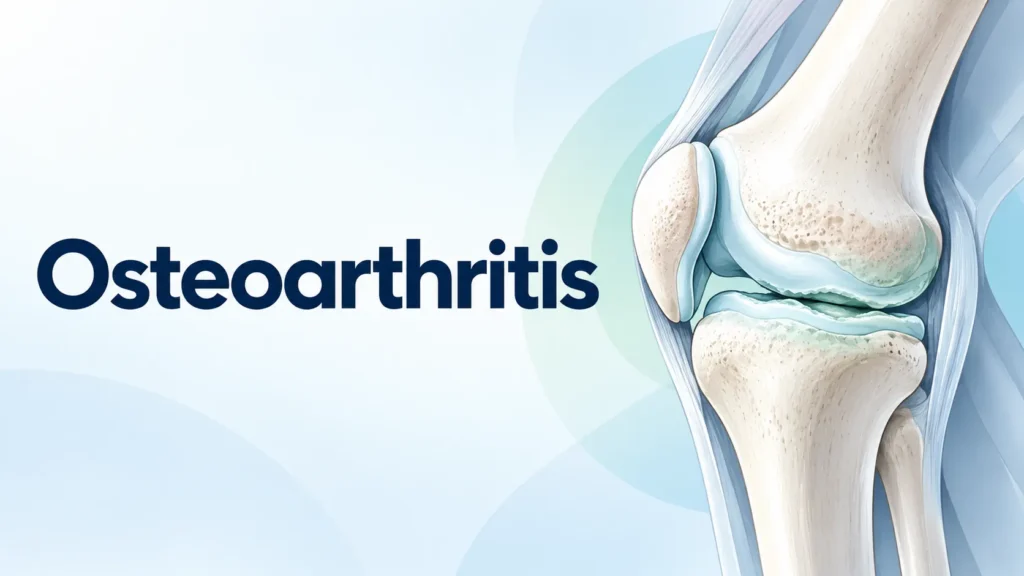
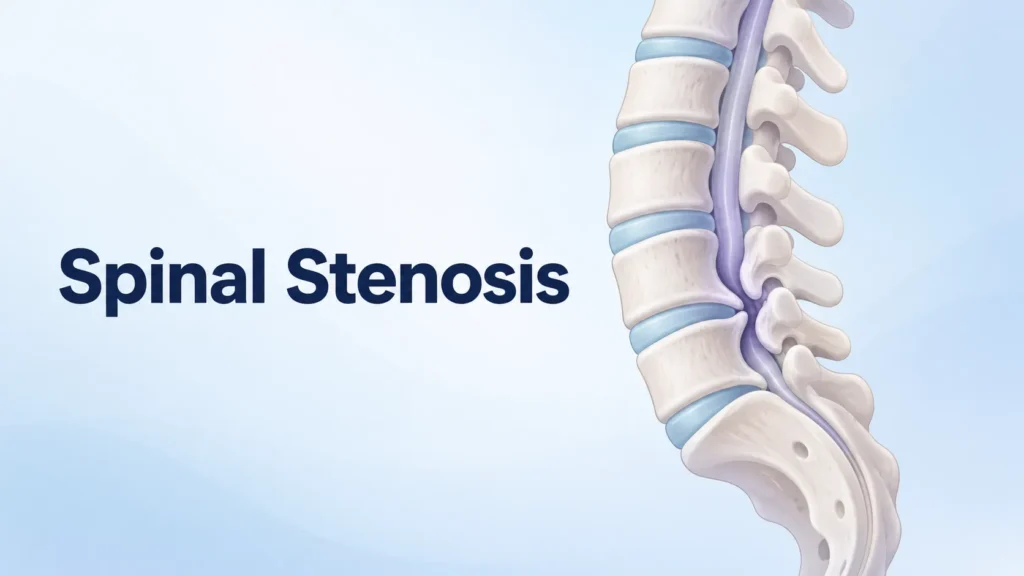
If you’re dealing with chronic pain, recovering from an injury, or struggling with inflammation that won’t resolve, you’ve probably tried multiple treatment options. LightForce laser therapy is a non-invasive, drug-free physical therapy treatment that uses targeted light energy to reduce pain and support tissue healing at the cellular level.
At Calibration Physical Therapy in Overland Park, we’re committed to providing evidence-based treatments that deliver real results. In this comprehensive guide, we’ll explore everything you need to know about LightForce laser therapy, from how it works to what conditions it treats most effectively.
What Is LightForce Laser Therapy?
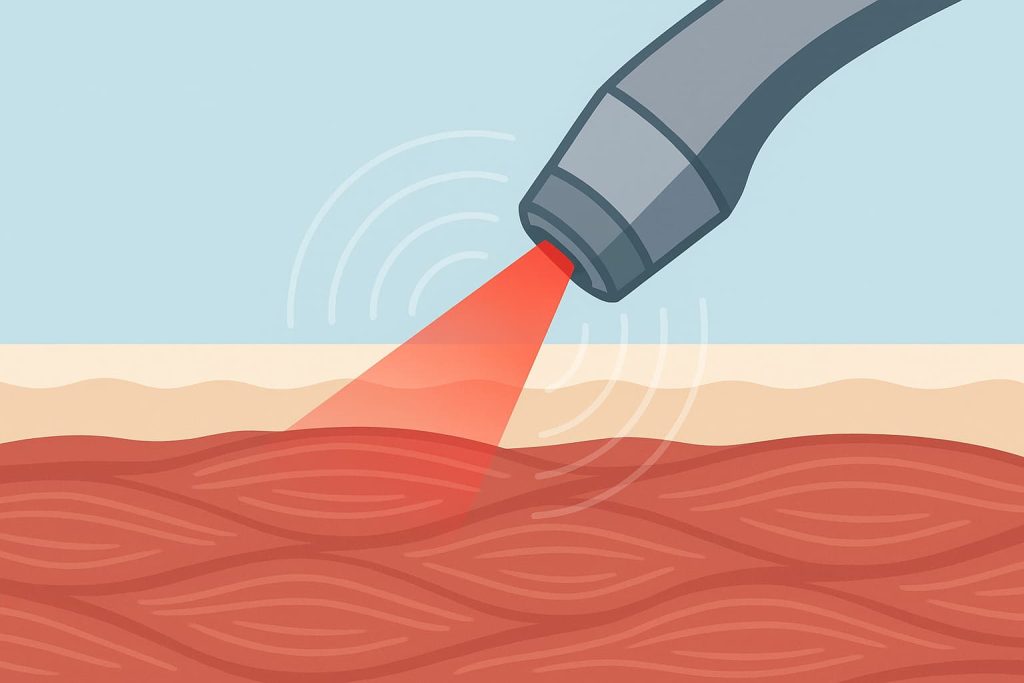
LightForce laser therapy, also known as Class IV or deep-tissue laser therapy, is an advanced treatment that uses specific wavelengths of light to stimulate healing in injured or damaged tissues. Unlike low-level lasers used in some settings, LightForce therapy lasers are high-powered devices that penetrate several centimeters into soft tissue to reach muscles, tendons, ligaments, and even bone.
The technology works through a process called photobiomodulation (previously known as low-level laser therapy, or LLLT, for lower-powered devices). When photons of light enter your tissue, they trigger a cascade of biological responses that:
- Increases cellular energy production (ATP)
- Improves local blood flow and circulation
- Helps reduce inflammation and swelling
- Supports tissue repair and regeneration
- Modulates pain signaling
How Does Laser Therapy Work?
Understanding how laser therapy works helps explain why it can be effective for both pain relief and tissue healing.
The Science of Photobiomodulation
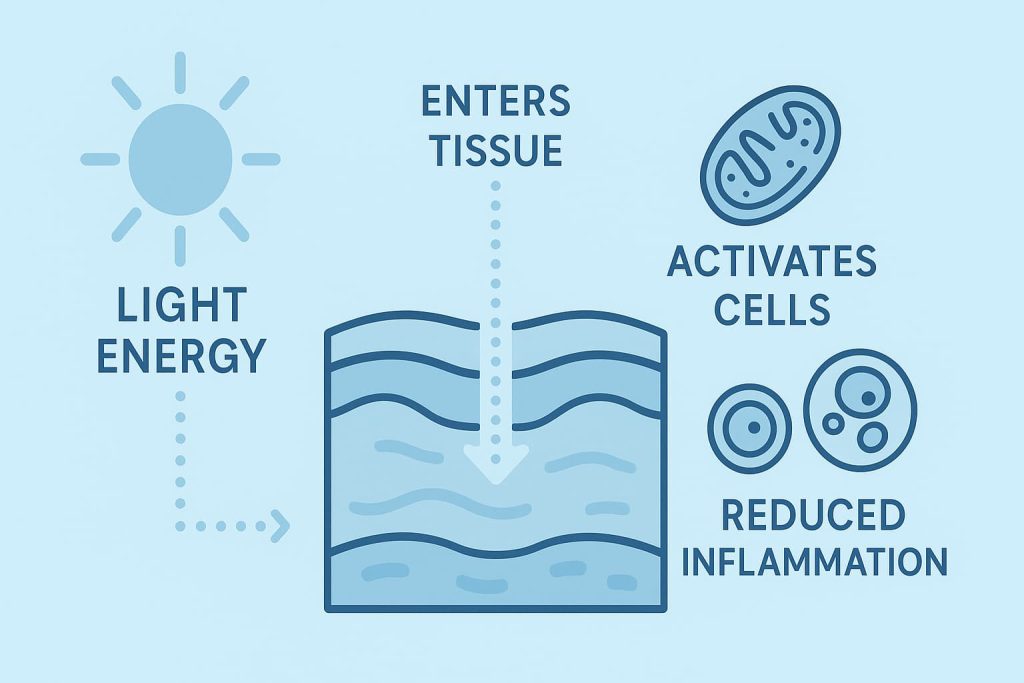
When the laser’s infrared light interacts with your body’s tissues, here’s what happens:
- Light Absorption: Red and near-infrared wavelengths penetrate through your skin and are absorbed by cellular structures, particularly the mitochondria, the “powerhouses” of your cells.
- Increased Energy Production: Absorbed light stimulates mitochondria to produce more ATP (adenosine triphosphate), the primary energy currency of cells. This energy boost helps cells function more efficiently and repair themselves faster.
- Enhanced Circulation: The therapy causes blood vessels to widen (vasodilation), improving blood flow to the treated area. Better circulation means more oxygen and nutrients reach damaged tissues while waste products are removed more efficiently.
- Reduced Inflammation: Laser therapy helps modulate inflammatory responses, reducing swelling and pain-causing chemicals.
- Pain Relief: The treatment affects pain perception in multiple ways, including reducing inflammation, improving tissue healing, and modulating nerve function to reduce pain signals.
Class IV vs. Low-Level Laser Therapy
It’s important to distinguish between different types of laser therapy:
- Low-Level Laser Therapy (LLLT): Uses lower power output (measured in milliwatts) and primarily treats superficial conditions
- Class IV Laser Therapy: Uses higher power (measured in watts) to penetrate deeper tissues and deliver therapeutic doses more quickly
LightForce Class IV lasers deliver the power and versatility needed to treat both superficial and deep-tissue conditions effectively, making them suitable for a broader range of musculoskeletal conditions.
What Conditions Does LightForce Laser Therapy Treat?
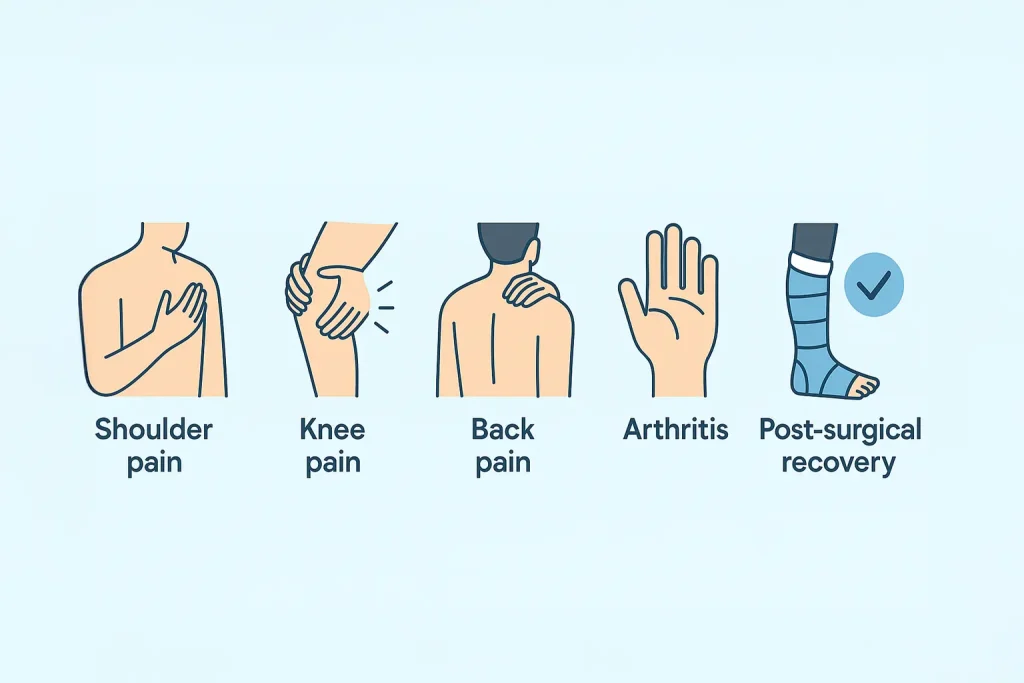
LightForce laser therapy has been shown to be effective for both acute and chronic musculoskeletal conditions. Here are the most common applications:
Acute Injuries
- Sprains and strains
- Sports injuries
- Muscle tears
- Ligament injuries
- Acute back pain
- Post-surgical pain and swelling
Chronic Pain Conditions
- Chronic lower back pain
- Neck pain
- Arthritis (osteoarthritis and rheumatoid arthritis)
- Chronic tendinitis
- Fibromyalgia
- Neuropathic pain conditions
Specific Joint and Soft Tissue Problems
- Shoulder: Rotator cuff injuries, frozen shoulder, bursitis, impingement syndrome
- Elbow: Tennis elbow (lateral epicondylitis), golfer’s elbow (medial epicondylitis)
- Knee: Patellar tendinitis, meniscus injuries, osteoarthritis, post-surgical rehabilitation
- Hip: Hip bursitis, labral tears, osteoarthritis
- Ankle/Foot: Plantar fasciitis, Achilles tendinitis, ankle sprains
- Spine: Herniated discs, sciatica, spinal stenosis, degenerative disc disease
Post-Operative Recovery
Laser therapy can be particularly beneficial after surgery to:
- Reduce post-operative pain
- Minimize swelling and inflammation
- Accelerate tissue healing
- Improve range of motion during rehabilitation
- Reduce scar tissue formation
Research has shown that photobiomodulation can accelerate healing without compromising the body’s natural recovery mechanisms.
Benefits of LightForce Laser Therapy
Patients and clinicians choose LightForce laser therapy for numerous reasons:
1. Rapid Pain Relief
Many patients report noticeable pain reduction after just one treatment session. For those suffering from chronic pain, this effect can be particularly pronounced and life-changing.
2. Non-Invasive and Drug-Free
Unlike medications or surgical interventions, laser therapy provides a safe alternative without side effects. It is a drug-free alternative to metabolize, and no recovery time is needed after treatment.
3. Fast Treatment Sessions
With high-powered LightForce lasers, treatments typically last only 5-10 minutes, making them convenient for even busy schedules.
4. Accelerated Healing
By boosting cellular metabolism and improving circulation, laser therapy helps your body heal faster than it would on its own.
5. Reduced Inflammation
The anti-inflammatory effects of laser therapy help address one of the primary sources of pain and dysfunction in musculoskeletal conditions.
6. Improved Range of Motion
As pain decreases and healing progresses, patients typically experience significant improvements in flexibility and mobility.
7. Enhanced Physical Therapy Outcomes
When combined with therapeutic exercise, manual therapy, and other physical therapy interventions, laser therapy can enhance outcomes and accelerate recovery.
8. Safe and FDA-Cleared
LightForce therapy lasers are FDA-cleared for pain relief and increasing microcirculation, and they adhere to strict ISO safety standards.
What to Expect During a LightForce Laser Therapy Session
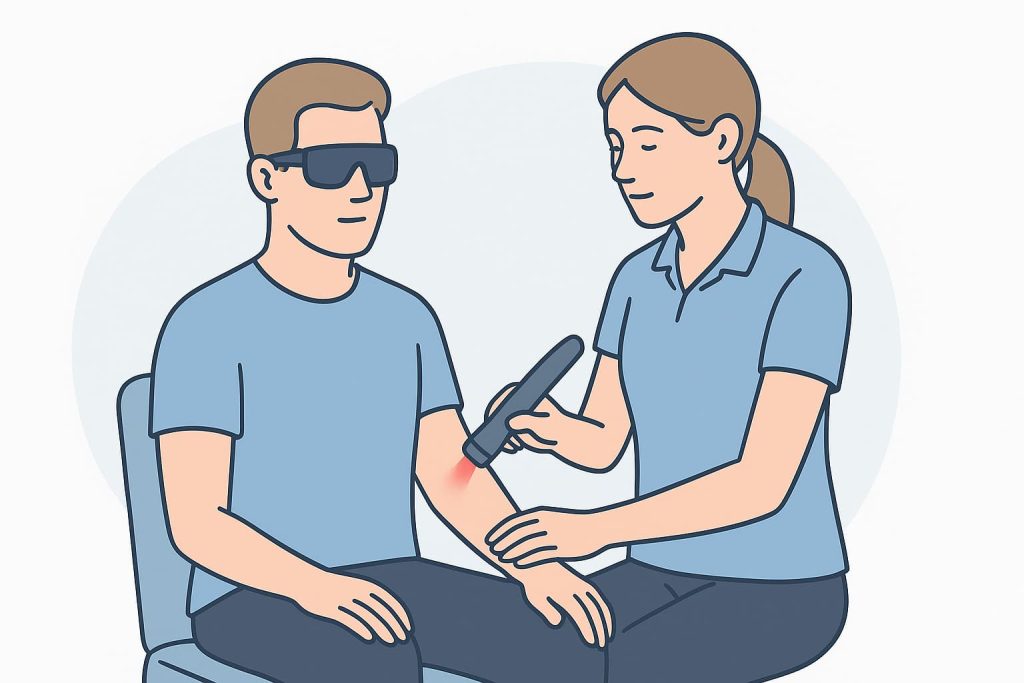
If you’re considering laser therapy, here’s what a typical treatment session looks like:
Before Your Session
- Assessment: Your physical therapist will evaluate your condition, medical history, and treatment goals
- Skin Preparation: The treatment area should be clean and free of lotions or creams
- Clothing: Laser therapy must be administered directly to the skin, so you may need to remove clothing over the treatment area
During Treatment
- Eye Protection: You and your therapist will wear protective eyewear, as this is the only safety precaution necessary
- Positioning: You’ll be positioned comfortably with the treatment area exposed
- Laser Application: Your therapist will move the laser handpiece over the affected area
- Sensation: You’ll feel a gentle, soothing warmth. Many patients find the experience relaxing, especially when the massage ball applicator is used for what’s often called a “laser massage.”
- Duration: Most treatments are quick, lasting 5-10 minutes, depending on the size and depth of the area being treated
After Your Session
- No Downtime: You can immediately return to normal activities
- Progressive Relief: While some patients feel better right away, the therapeutic effects continue to build for 18-24 hours after treatment as cellular activity continues
- Follow-up: Your therapist will discuss your response to treatment and adjust your care plan as needed
Treatment Frequency
Treatment frequency varies based on the condition, symptom duration, and individual response. A common clinical approach includes:
- Initial Phase: 2-3 treatments per week
- Duration: 3-6 weeks, depending on whether your condition is acute or chronic
- Total Sessions: Acute conditions may respond in 3-5 treatments; chronic conditions often require 8-12 treatments for optimal results
Response to laser therapy varies, and your physical therapist will adjust frequency and duration based on how your symptoms and function change over time.
LightForce Laser Therapy vs. Other Treatment Options
How does laser therapy compare to other common pain relief methods? Let’s explore:
Laser Therapy vs. Medication
- Medications: Provide temporary symptom relief but don’t address underlying tissue damage; may have side effects
- Laser Therapy: Addresses both pain and healing; no side effects; drug-free
Laser Therapy vs. Surgery
- Surgery: Invasive, requires recovery time, carries surgical risks
- Laser Therapy: Non-invasive, no recovery time, helps avoid or delay surgery in many cases
Laser Therapy vs. Other Physical Therapy Modalities
- Ultrasound: Limited penetration depth, longer treatment times
- Ice/Heat: Superficial effects only, temporary relief
- TENS: Blocks pain signals but doesn’t promote healing
- Laser Therapy: Deep penetration, promotes actual healing, comprehensive benefits
Complementary Approach
At Calibration Physical Therapy, we believe in a comprehensive approach to care. LightForce laser therapy works best when combined with:
- Manual therapy techniques
- Therapeutic exercises
- Neuromuscular re-education
- Patient education and home programs
This integrated approach addresses your condition from multiple angles to deliver the most effective, lasting results.
Safety, Contraindications, and Side Effects
Is Laser Therapy Safe?
Yes. LightForce therapy lasers are FDA-cleared and have an excellent safety profile. Laser therapy has an excellent safety profile and is supported by thousands of published studies on photobiomodulation and musculoskeletal pain. It is widely used in physical therapy, sports medicine, and rehabilitation settings worldwide.
Contraindications (When NOT to Use Laser Therapy)
While laser therapy is safe for most people, there are situations where it should be avoided or modified. Laser therapy should NOT be used:
- Over active cancer areas
- On pregnant women (over the uterus)
- Over areas of active infection
- On growth plates in children
- Over implanted electronic devices (pacemakers, pain pumps)
- In patients with certain autoimmune disorders sensitive to light
- In patients with renal failure (due to vasodilation effects)
Can Laser Be Used Over Metal Implants?
Yes! Laser therapy is safe to use over metal hardware, surgical screws, plates, or joint replacements. The light simply reflects off the metal without causing any problems.
Side Effects
LightForce laser therapy has minimal side effects. Some patients may experience:
- Temporary increase in pain (rare, typically resolves within 24 hours)
- Mild fatigue after treatment
- Temporary skin redness at the treatment site
These effects, if they occur at all, are typically mild and short-lived.
The Evidence: Research Supporting Laser Therapy
LightForce laser therapy isn’t just based on clinical experience; it is backed by extensive scientific research:
- Thousands of published research articles have examined photobiomodulation and laser therapy for pain and tissue healing.
- Supported by a large body of published research on photobiomodulation, it is commonly used in physical therapy and sports medicine settings worldwide.
- Clinical guidelines from the American College of Physicians and the Orthopedic Section of APTA include laser therapy as a treatment option for musculoskeletal conditions
- Proven efficacy for reducing pain, increasing range of motion, and improving quality of life
Research Highlights
Studies have demonstrated laser therapy’s effectiveness for:
- Reducing pain and improving function in knee osteoarthritis
- Accelerating healing after joint replacement surgery
- Treating chronic neck and lower back pain
- Managing tendinopathies and soft tissue injuries
- Post-surgical pain management and wound healing
Frequently Asked Questions About LightForce Laser Therapy
How many treatments will I need? Most patients benefit from 6-12 treatments over 3-6 weeks. Acute conditions may respond faster (3-5 treatments), while chronic conditions typically require more sessions for optimal results.
Does laser therapy hurt? No. Most patients find laser therapy very comfortable and relaxing. You’ll feel a gentle warmth during treatment.
How quickly will I see results? Many patients notice pain reduction after the first session, with continuing improvement over subsequent treatments. The full therapeutic effect builds over time as healing progresses.
Can I combine laser therapy with other treatments? Absolutely! Laser therapy complements physical therapy exercises, manual therapy, and other modalities to enhance results.
Is laser therapy covered by insurance? Coverage varies by insurance plan. We recommend contacting your insurance provider to verify benefits. Even if not covered, many patients find the out-of-pocket cost worthwhile for the pain relief and improved function they experience.
How long do the effects last? The effects of laser therapy extend beyond the treatment itself. As your tissues heal and function improves, many patients experience long-lasting relief, especially when combined with therapeutic exercise and lifestyle modifications.
Can laser therapy help me avoid surgery? In many cases, yes. Laser therapy combined with comprehensive physical therapy can help patients avoid or delay surgical intervention for conditions like arthritis, rotator cuff injuries, herniated discs, and other musculoskeletal problems.
Why Choose Calibration Physical Therapy for Laser Therapy in Overland Park
At Calibration Physical Therapy, we’re dedicated to providing the highest-quality care through evidence-based treatments that deliver results. Here’s what sets us apart:
Experienced Doctors of Physical Therapy
Our team consists exclusively of Doctors of Physical Therapy with advanced certifications and at least five years of clinical experience. You’ll receive expert, personalized care at every visit.
Precision in Diagnosis and Treatment
We take the time to thoroughly assess your condition, understand your goals, and develop a customized treatment plan that addresses the root cause of your pain.
Comprehensive Approach
We integrate laser therapy with other proven techniques, including:
- Manual therapy (joint mobilization, IASTM, cupping)
- NEUBIE therapy for neuromuscular re-education
- Dry needling for trigger point release
- Therapeutic exercise designed for your needs
Serving the Overland Park Community
Located at 7313 W 95th Street in Overland Park, we proudly serve patients throughout the Kansas City metro area, including Leawood, Prairie Village, Lenexa, Shawnee, and Olathe.
Patient-Centered Care
We believe in quality over quantity. Our longer one-on-one appointments ensure you receive the focused attention and expertise you deserve. We’re committed to your recovery and your satisfaction.
Tags

About the Author
Dr. Traci Smiley, DPT
Traci is a licensed physical therapist and owner of Calibration Physical Therapy, serving the Kansas City area. A Board-Certified Orthopedic Clinical Specialist with advanced training in manual therapy and strength conditioning, she helps individuals overcome pain and return to what they love.