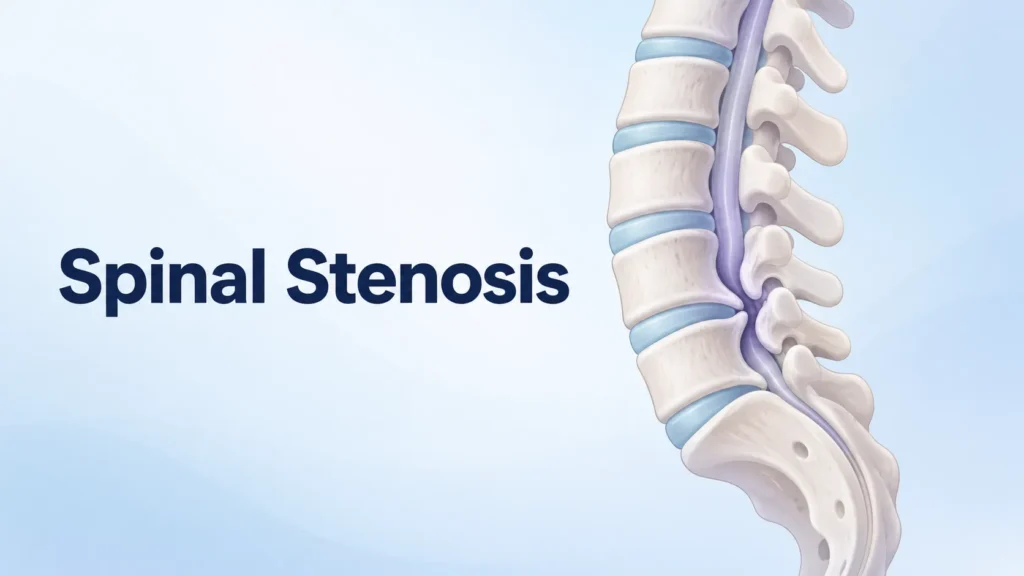
Sciatica can make simple activities surprisingly difficult. Sitting through work, driving, walking around the grocery store, or getting comfortable in bed may all become painful when the sciatic nerve becomes irritated.
Many people assume they have to wait for the pain to go away or eventually need surgery. Fortunately, that’s rarely the case. Most people with sciatica improve without surgery, and physical therapy is one of the first treatments recommended to reduce pain, restore movement, and help prevent symptoms from returning.
This article explains how physical therapy helps treat sciatica, what treatment may involve, and when it’s time to seek an evaluation.
Quick Answer
Physical therapy is one of the most effective conservative treatments for many cases of sciatica. Treatment focuses on identifying why the sciatic nerve is irritated, reducing stress on the affected tissues, improving movement, and gradually restoring strength and function. While every case is different, many people experience meaningful improvement without surgery.
Understanding Sciatica

What Causes Sciatica?
Sciatica develops when the sciatic nerve becomes irritated or compressed somewhere along its course from the lower back into the leg. While people think of a “pinched nerve,” several different conditions can produce similar symptoms.
Some of the most common causes include:
- Herniated or bulging discs
- Spinal stenosis
- Degenerative changes in the spine
- Irritation around the nerve as it exits the lower back
- Less commonly, irritation from surrounding muscles or other structures
Although these conditions can all cause sciatica, they don’t affect everyone the same way. Two people with similar MRI findings may experience very different symptoms, while someone with significant pain may have relatively minor imaging changes.
That’s one reason physical therapy focuses on how your symptoms behave and how they respond to movement rather than relying on imaging findings alone.
Why Two People Can Have Different Symptoms
Sciatica isn’t actually a diagnosis. It’s a collection of symptoms that occur when the sciatic nerve becomes irritated somewhere along its path from the lower back into the leg.
Because several different conditions can irritate the sciatic nerve, two people with sciatica may have very different symptoms. One person may primarily have pain while sitting, while another struggles more with walking or bending. Identifying those differences is an important part of choosing the right treatment approach.
This is one reason a physical therapy evaluation is so valuable. Rather than treating every case of sciatica the same way, your therapist works to identify what is contributing to your symptoms and which movements or activities are making them better or worse.
What Does Sciatica Feel Like?
Symptoms vary from person to person, but commonly include:
- Pain that travels from the lower back into the buttock or leg
- Burning or electric sensations
- Tingling or numbness
- Pain that becomes worse while sitting
- Symptoms that change throughout the day
- Leg weakness in some cases
The exact pattern of symptoms provides valuable clues about what’s causing the irritation. For example, some people feel worse after prolonged sitting, while others notice more pain during bending, lifting, or getting out of bed. Recognizing these patterns helps guide both the evaluation and treatment plan.
How Sciatica Symptoms Behave
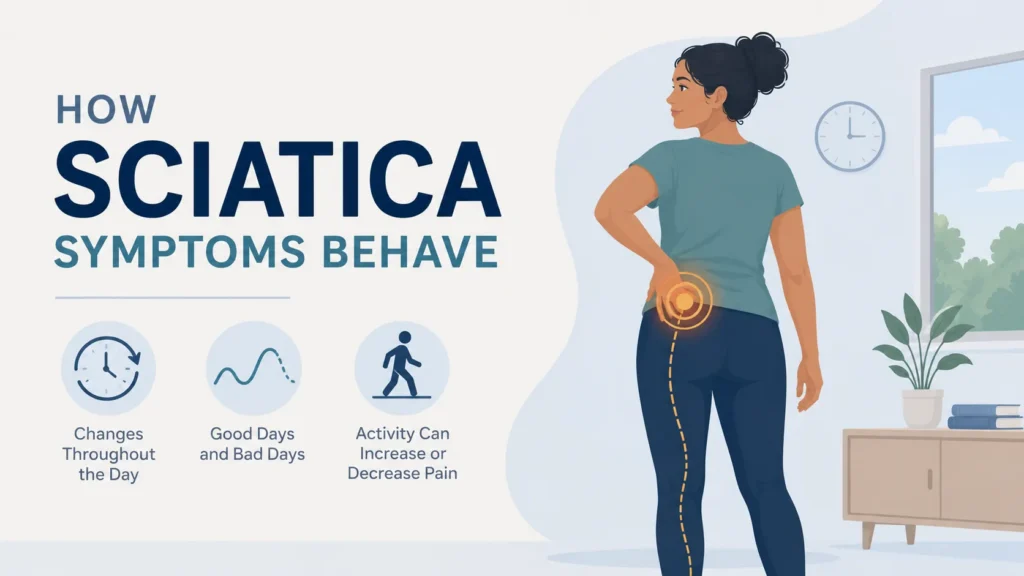
One reason symptoms seem unpredictable is that the sciatic nerve responds to both mechanical stress and inflammation. Certain positions may temporarily place more tension on the nerve or the surrounding tissues, while others allow that irritation to settle.
Sciatica symptoms change throughout the day rather than remaining constant. Some people feel worse after sitting for long periods but improve once they begin walking. Others notice pain during bending or lifting, while some experience symptoms that become more noticeable later in the day after prolonged activity.
These patterns are useful because they help identify what is irritating the sciatic nerve. During a physical therapy evaluation, understanding how symptoms respond to different positions and activities provides more helpful information than rating pain on a scale from one to ten.
Paying attention to these patterns can also help guide recovery by identifying activities that should be temporarily modified while strength and movement tolerance improve.
For example, someone with symptoms that worsen while sitting may tolerate walking much better because the position of the spine changes. Another person may find that bending forward consistently reproduces symptoms, while standing or gentle walking provides relief. Those differences help your physical therapist determine which movements are likely to support recovery and which ones should be modified temporarily.
How Physical Therapy Helps Treat Sciatica

Physical therapy focuses on addressing the factors contributing to sciatic nerve irritation while helping you stay as active as possible during recovery. Rather than treating every case the same way, treatment is based on how your symptoms behave, what movements reproduce them, and what underlying impairments are identified during your evaluation.
Calming Irritated Tissues
Early treatment focuses on reducing positions and movements that repeatedly aggravate the sciatic nerve. That doesn’t necessarily mean avoiding activity altogether. Instead, your therapist may recommend temporary modifications that allow symptoms to settle while keeping you moving.
Restoring Comfortable Movement
As symptoms improve, treatment shifts toward restoring normal movement throughout the spine, hips, and legs. Depending on the contributing factors, this may involve improving mobility, reducing muscle tension, or helping the nervous system tolerate movement more comfortably.
Building Strength for Everyday Activities
As pain decreases, strengthening exercises help improve the ability of your muscles to support your spine and tolerate everyday activities. The emphasis isn’t on making muscles stronger, but on helping your body handle walking, lifting, exercising, and daily tasks without repeatedly triggering symptoms.
Reducing the Risk of Future Flare-Ups
Recovery doesn’t end when pain improves. Physical therapy also focuses on identifying movement habits, workload, or lifestyle factors that may have contributed to your symptoms so you can reduce the likelihood of future episodes.
Techniques Used in Physical Therapy for Sciatica
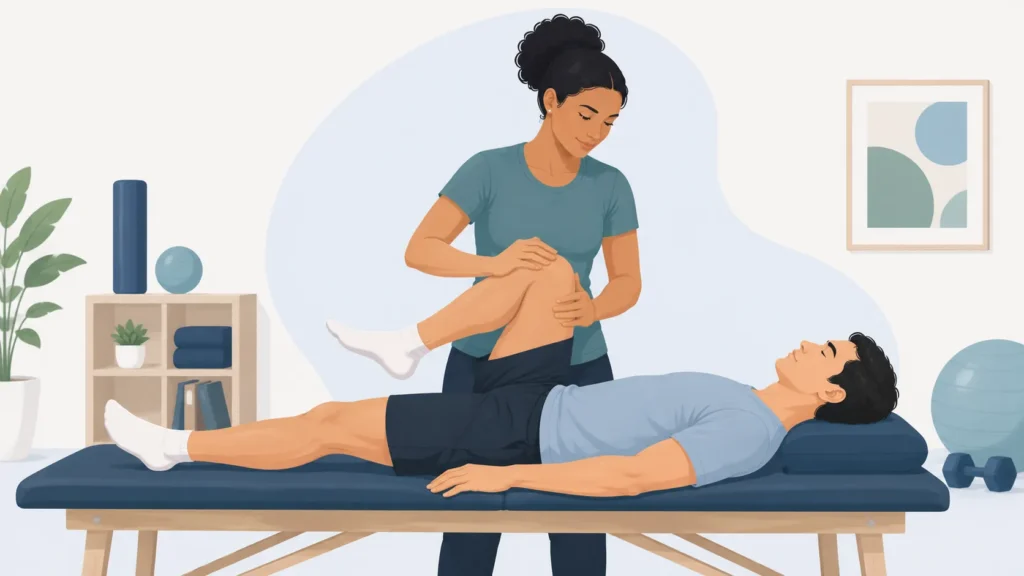
No two cases of sciatica are exactly alike, so treatment rarely consists of a single technique or exercise. Instead, your physical therapist selects the approaches that best match your symptoms, examination findings, and recovery goals.
Treatment is selected based on what your evaluation reveals. One person may benefit from improving spinal mobility, while another may need to rebuild strength, modify daily activities, or gradually increase tolerance to sitting, walking, or lifting. The specific exercises and techniques should match the source of your symptoms rather than follow a standard program.
Some patients may also benefit from additional treatments such as dry needling or Neubie Therapy when appropriate. These techniques are used to complement an overall rehabilitation program rather than replace movement-based treatment.
As your symptoms improve, your treatment plan progresses from reducing irritation toward restoring normal function and helping you confidently return to work, exercise, and everyday activities.
How Physical Therapy Evaluates Sciatica
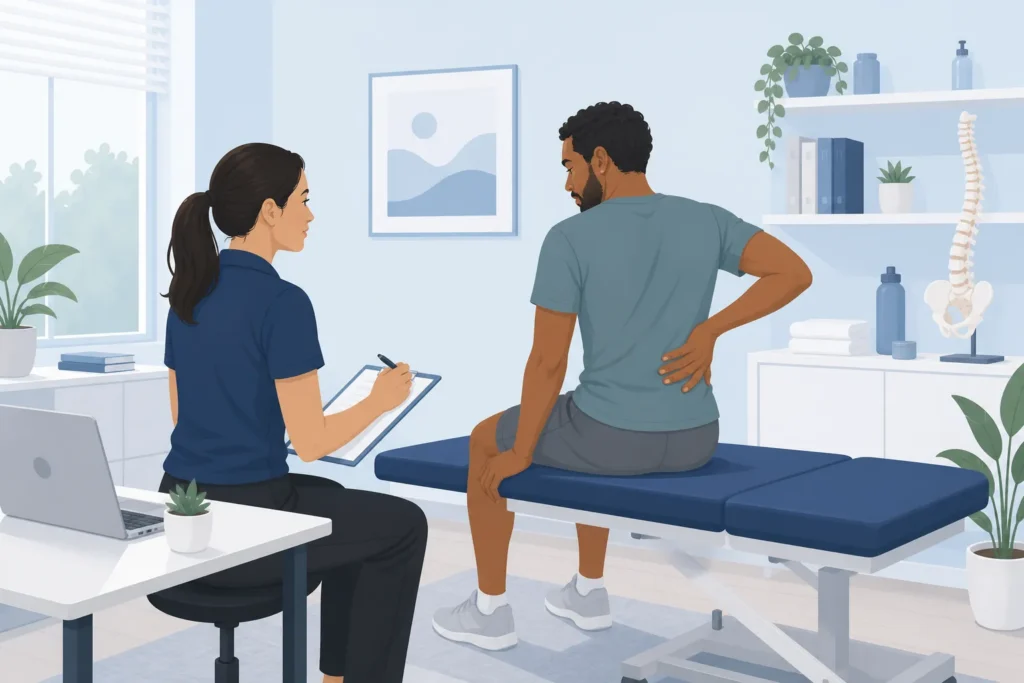
Your first appointment is focused on understanding why your symptoms developed, not confirming that you have sciatica.
Your physical therapist will ask when your symptoms began, where the pain travels, what activities make it better or worse, and how it affects your daily routine. Small details, such as whether pain increases while sitting, improves with walking, or changes throughout the day, provide important clues.
The physical examination may include evaluating spinal movement, hip mobility, muscle strength, sensation, reflexes, walking mechanics, and movements that reproduce or relieve your symptoms. Together, these findings help identify which tissues are most likely contributing to your pain.
For example, if your symptoms consistently increase while sitting but improve after walking, your therapist may evaluate how your lumbar spine responds to repeated movement and how that relates to your daily activities. Those findings help guide treatment much more effectively than treating everyone with sciatica the same way.
Once those contributing factors are identified, your therapist can develop a treatment plan that matches your specific presentation rather than relying on a one-size-fits-all approach.
Rehabilitation Progression
Recovery from sciatica is usually gradual rather than happening all at once. As symptoms improve, treatment progresses to match what your body is ready to tolerate.
| Phase | What the Focus Looks Like |
|---|---|
| Calm symptoms | Reduce irritation while staying comfortably active |
| Restore mobility | Improve movement of the spine, hips, and legs |
| Build strength | Increase tolerance for everyday activities and exercise |
| Return to activity | Gradually resume normal work, recreation, and fitness |
The timeline varies from person to person, depending on the underlying cause of symptoms, overall health, and how consistently the rehabilitation plan is followed.
Returning to Activity

Returning to your normal routine is an important part of recovery, but it’s usually best to do so gradually rather than trying to make up for lost time.
Many people begin by increasing walking, household activities, or exercise a little at a time while paying attention to how symptoms respond over the next 24 hours. Mild soreness may be expected, but pain that continues worsening after each activity often signals that your body needs a slower progression.
Recovery also depends on factors outside of therapy. Regular movement, adequate sleep, and following your home exercise program all help improve your body’s ability to tolerate activity again.
The goal is to return to work, hobbies, and exercise with greater confidence while reducing the risk of another flare-up.
It’s also normal for recovery to have small ups and downs. A temporary increase in symptoms after a more active day doesn’t always mean you’ve re-injured yourself. Looking at how symptoms respond over the next day or two provides a better picture than judging recovery based on a single activity.
Common Mistakes People Make When Sciatica Starts
When sciatic pain develops, it’s understandable to want quick relief. Unfortunately, some common responses can make recovery more difficult.
One mistake is avoiding all movement because of pain. While temporarily modifying certain activities can be helpful, prolonged bed rest leads to increased stiffness and reduced strength.
Others continue pushing through activities that consistently worsen their symptoms, hoping the pain will eventually disappear. Repeatedly aggravating an irritated nerve may slow recovery.
It’s also common to rely entirely on passive treatments while avoiding exercise. Hands-on techniques and other treatments can help reduce symptoms, but lasting improvement usually comes from restoring movement, strength, and confidence through an active rehabilitation program.
A physical therapist can help determine which activities should be temporarily modified and which types of movement are likely to support recovery.
Why Surgery Usually Isn’t the First Step
Many people worry that sciatica automatically means they’ll need surgery. Fortunately, that’s not true for most cases.
Unless there is significant muscle weakness, loss of bowel or bladder control, or another serious underlying condition, conservative treatment is usually recommended first. Physical therapy, activity modification, and time allow many people to recover without an operation.
If symptoms persist despite appropriate conservative care, your healthcare provider may recommend additional imaging or discuss other treatment options.
When to See a Physical Therapist
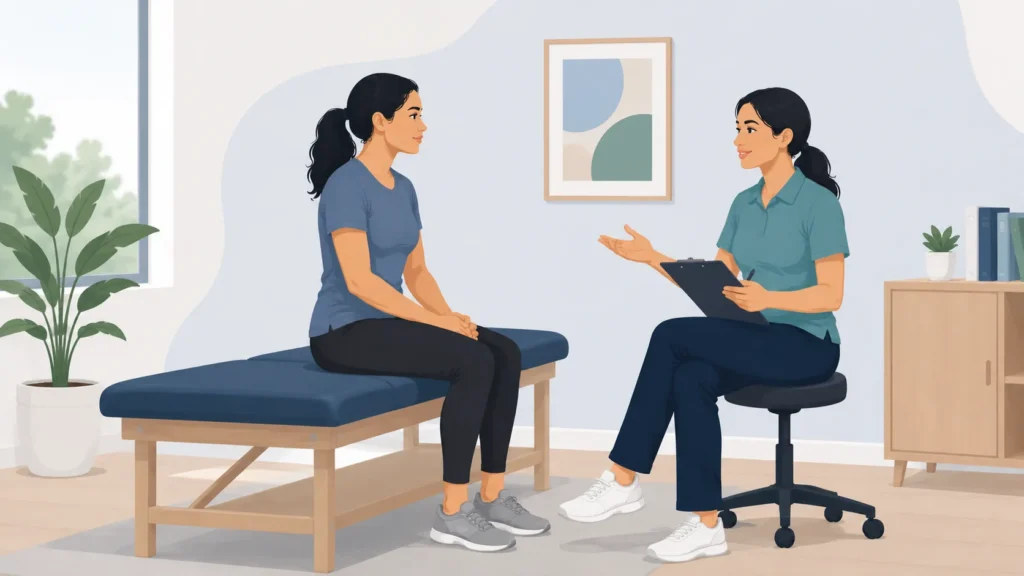
You don’t have to wait until symptoms become severe before seeking treatment. If pain continues for more than a few weeks, keeps returning, limits your daily activities, or causes leg weakness or numbness, a physical therapy evaluation can help identify the cause and determine the most appropriate treatment approach.
Early treatment makes it easier to stay active and reduce the risk of long-term limitations.
While many cases of sciatica improve over time, some symptoms deserve more immediate medical attention. Significant leg weakness, loss of bowel or bladder control, or numbness around the groin should be evaluated promptly.
For more typical cases, seeking physical therapy early may help reduce pain, restore function, and prevent symptoms from becoming a long-term problem.
Final Thoughts
Sciatica can be frustrating because symptoms interfere with activities that are part of everyday life. The good news is that most cases improve with conservative treatment, and physical therapy can play an important role in helping you recover without surgery.
Understanding how your symptoms respond to movement, addressing the factors contributing to nerve irritation, and gradually rebuilding strength and activity tolerance all help support long-term recovery. Every case is different, but having a plan that’s based on your specific symptoms can make the recovery process much more manageable.
When Sciatica Keeps Getting in the Way
If sciatic pain is making it difficult to work, exercise, or stay active, the team at Calibration Physical Therapy in Overland Park, Kansas can help identify what’s contributing to your symptoms and develop a treatment plan that’s designed around your goals. Early evaluation can help you recover more comfortably and get back to doing the activities you enjoy. Schedule an evaluation to get started.
Tags

About the Author
Dr. Traci Smiley, DPT
Traci is a licensed physical therapist and owner of Calibration Physical Therapy, serving the Kansas City area. A Board-Certified Orthopedic Clinical Specialist with advanced training in manual therapy and strength conditioning, she helps individuals overcome pain and return to what they love.