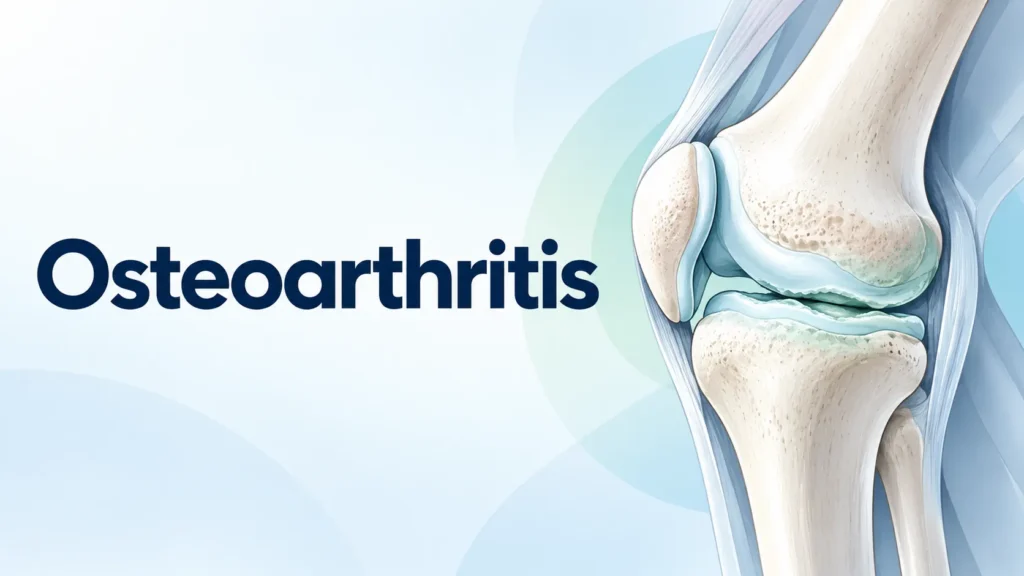
Struggling with joint stiffness or pain? Limited mobility can make everyday tasks challenging, but joint mobilizations offer a targeted, hands-on approach to restoring movement and reducing discomfort.
Manual therapy techniques, such as joint mobilizations, help improve function, reduce pain, and enhance overall quality of life.
What Are Joint Mobilizations?
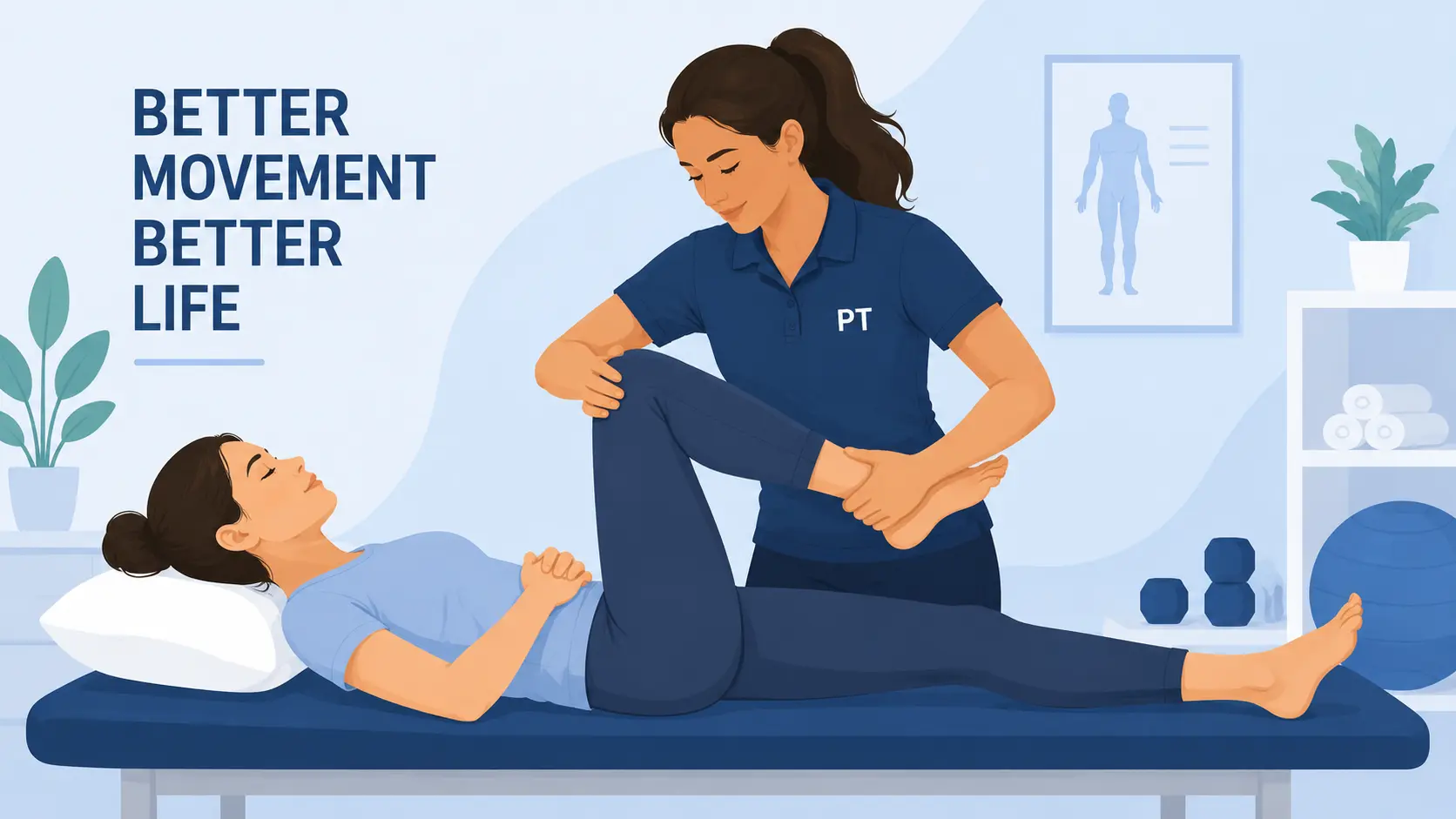
Joint mobilizations are skilled, hands-on movements performed by a physical therapist to improve joint function. These controlled techniques involve applying gentle, repetitive forces to a joint to restore normal movement patterns, reduce stiffness, and alleviate pain.
Depending on your condition, mobilizations can be applied at different grades, from light oscillations to deeper, sustained stretches. The goal is to enhance joint mechanics, decrease muscle tension, and improve overall mobility.
How Do Joint Mobilizations Work?
Our physical therapist assesses the joint’s range of motion and applies precise force at specific angles to encourage proper motion. These techniques may involve different techniques depending on each individual case:
- Oscillatory movements to reduce pain and stiffness
- Sustained holds to stretch tight joint capsules
- Mobilizations with movement to retrain the body’s natural function
These techniques help to reduce adhesions, increase synovial fluid circulation, and restore normal joint movement, making everyday activities easier and more comfortable.
Common Patient Benefits of Joint Mobilizations
1. Improves Joint Mobility
Conditions such as arthritis, post-surgical stiffness, or past injuries can limit joint movement. Mobilization techniques help restore the joint’s natural glide and roll, improving flexibility and range of motion.
For example, a stiff knee after surgery may have trouble fully extending or bending. Joint mobilizations can help break down restrictions and improve mobility, allowing for smoother, pain-free movement.
2. Reduces Pain
By gently mobilizing a joint, therapists can reduce pain signals from irritated tissues. This is particularly helpful for conditions like frozen shoulder, knee osteoarthritis, or spinal stiffness.
Pain relief occurs through several mechanisms, including the activation of mechanoreceptors that override pain signals, improved joint lubrication, and relaxation of surrounding muscles.
3. Enhances Circulation and Healing
Applying controlled movements to a joint increases blood flow and nutrient exchange, promoting tissue healing and reducing inflammation.
Improved circulation aids in the healing of damaged tissues, whether due to surgery, repetitive strain, or degenerative conditions. This process accelerates recovery and supports long-term joint health.
4. Prevents Future Injuries
Restoring normal joint mechanics reduces the risk of compensatory movements that can lead to further strain or injury.
For example, if a stiff ankle limits walking mechanics, the knee or hip may take on extra stress, leading to additional problems. Addressing the root cause with joint mobilizations helps prevent cascading injuries.
5. Supports Better Posture and Alignment
Joint restrictions can lead to poor posture and misalignment, increasing stress on surrounding muscles and joints. Mobilizations improve joint positioning, supporting a healthier posture and reducing chronic strain.
Who Can Benefit from Joint Mobilizations?
Patients experiencing different symptoms, like:
- Arthritis-related stiffness
- Post-surgical joint restrictions
- Chronic pain conditions (e.g., back pain, neck pain)
- Limited mobility due to past injuries
- Sports-related joint dysfunctions
- Repetitive strain injuries, such as carpal tunnel syndrome
If you’re dealing with restricted movement or discomfort, our expert physical therapists can assess your condition and develop a personalized plan.
What to Expect During a Joint Mobilization Session
During your physical therapy session, one of our therapists will:
- Assess your joint mobility and identify restrictions.
- Apply gentle mobilization techniques tailored to your condition.
- Incorporate stretching and strengthening exercises to reinforce mobility gains.
- Provide education on posture, movement patterns, and at-home exercises to maintain results.
Sessions are typically painless and aim to restore function without unnecessary discomfort. Many patients experience noticeable relief after just a few treatments.
Combining Joint Mobilizations with Other Therapies
Joint mobilizations are often used alongside other manual therapies and interventions for optimal results. These may include:
- Dry needling: Reduces muscle tightness and pain.
- Cupping: Improves circulation and tissue mobility.
- Instrument-Assisted Soft Tissue Mobilization (IASTM): Helps break down scar tissue and fascial restrictions.
- Strength and stability exercises: Support joint health and prevent future issues.
Take the Next Step Toward Better Joint Health
For a trusted physical therapist in Overland Park, visit our clinic to experience the benefits of joint mobilization firsthand. Our team is dedicated to helping you move with ease and confidence.
Schedule an appointment today or call 913-914-7174 to get started.
Tags

About the Author
Dr. Traci Smiley, DPT
Traci is a licensed physical therapist and owner of Calibration Physical Therapy, serving the Kansas City area. A Board-Certified Orthopedic Clinical Specialist with advanced training in manual therapy and strength conditioning, she helps individuals overcome pain and return to what they love.