Missing or irregular periods during training can be confusing, especially when you are exercising regularly and otherwise feel healthy. Many active women assume that losing their period is simply part of training harder, running more miles, or becoming leaner.
In reality, menstrual changes can provide important information about how your body is responding to training, nutrition, recovery, and overall energy availability. This article explains why periods may become irregular or stop during training, what warning signs to watch for, and how physical therapy can help when related injuries or performance issues develop.
What Causes Period Loss During Training?
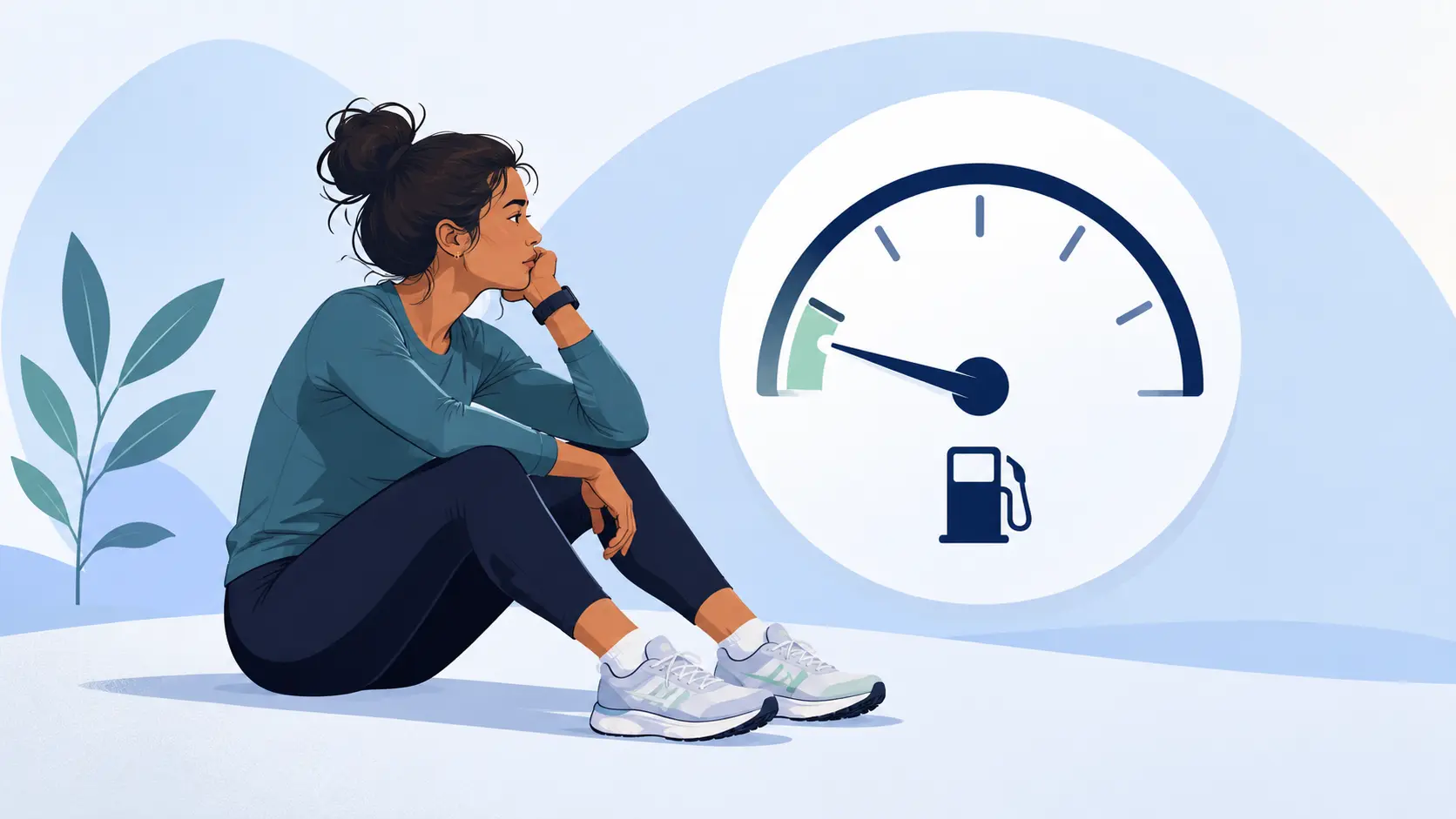
One of the most common reasons active women lose their period during training is low energy availability. In simple terms, the body does not have enough energy available to support both exercise demands and normal physiological functions.
This can happen when training demands increase, recovery becomes inadequate, or energy intake does not keep pace with activity levels.
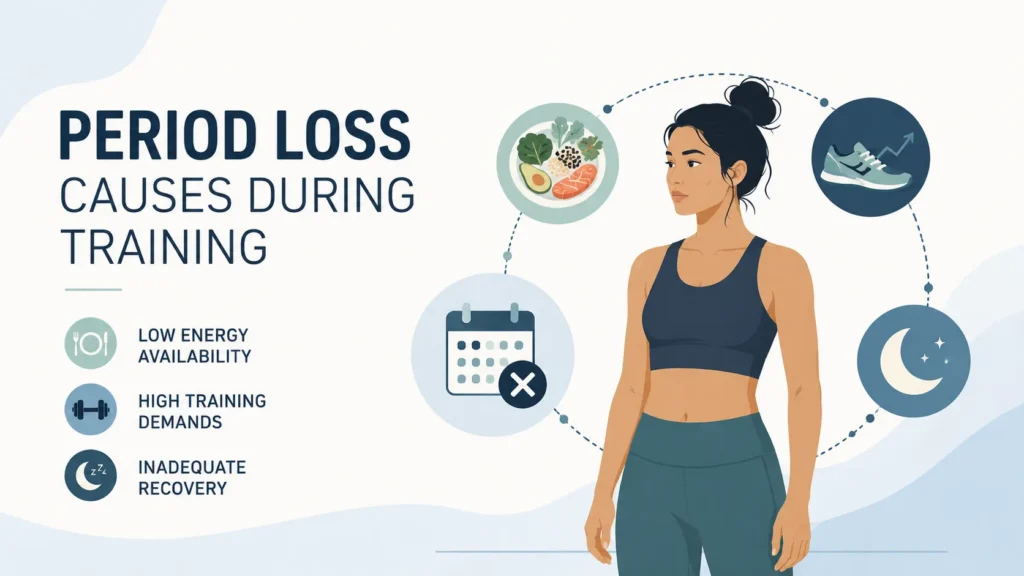
The body prioritizes essential systems when energy becomes limited. If there is not enough energy available, reproductive hormone production may decrease, leading to irregular periods or the complete absence of menstruation, known as amenorrhea.
This does not necessarily mean someone is intentionally dieting or trying to lose weight. Many active women simply underestimate how much fuel their training requires.
Several factors can contribute:
- A rapid increase in training volume or intensity
- Running higher weekly mileage
- Participating in endurance sports
- Skipping meals or underfueling around workouts
- Inadequate recovery between training sessions
- High levels of life stress combined with exercise demands
Menstrual changes are often among the earliest signs of Relative Energy Deficiency in Sport (RED-S), a condition that affects multiple body systems when energy intake consistently falls short of energy expenditure.
Importantly, RED-S is not limited to elite athletes. Recreational runners training for a half marathon, active adults attending multiple fitness classes per week, and women balancing demanding work schedules with regular exercise can all experience periods of low energy availability. In many cases, the issue is not excessive training alone, but the combination of training demands and insufficient recovery resources.
What Does Training-Related Period Loss Feel Like?
The absence of a menstrual cycle is often the most obvious sign, but it is rarely the only symptom. For some women, changes begin with less predictable cycles before periods stop altogether.
Some individuals continue training at a high level and feel relatively normal, while others experience noticeable changes in recovery, performance, or overall energy.
The following patterns are commonly reported:
| What people often notice | What it may mean |
|---|---|
| Periods becoming less predictable | Hormonal changes may already be occurring |
| Missed periods for several months | Menstrual function may be suppressed |
| Increased fatigue | Recovery demands may exceed available energy |
| Frequent soreness | The body may be struggling to repair and recover |
| Reduced exercise performance | Adaptation to training may be impaired |
| Recurrent injuries | Bone, tendon, or muscle health may be affected |
Some women also report feeling colder than usual, experiencing mood changes, struggling with sleep, or noticing slower recovery after hard workouts.
Some women also notice changes that seem unrelated to training at first. They may feel less motivated during workouts, find that normal training sessions require more effort, or notice that they are getting sick more frequently than usual. While none of these symptoms automatically indicate an energy deficiency, they can provide additional context when viewed alongside menstrual changes and recovery challenges.
Because these symptoms can develop gradually, it is common for people to attribute them to stress, aging, work demands, or simply training harder.
How Symptoms Behave During Activity
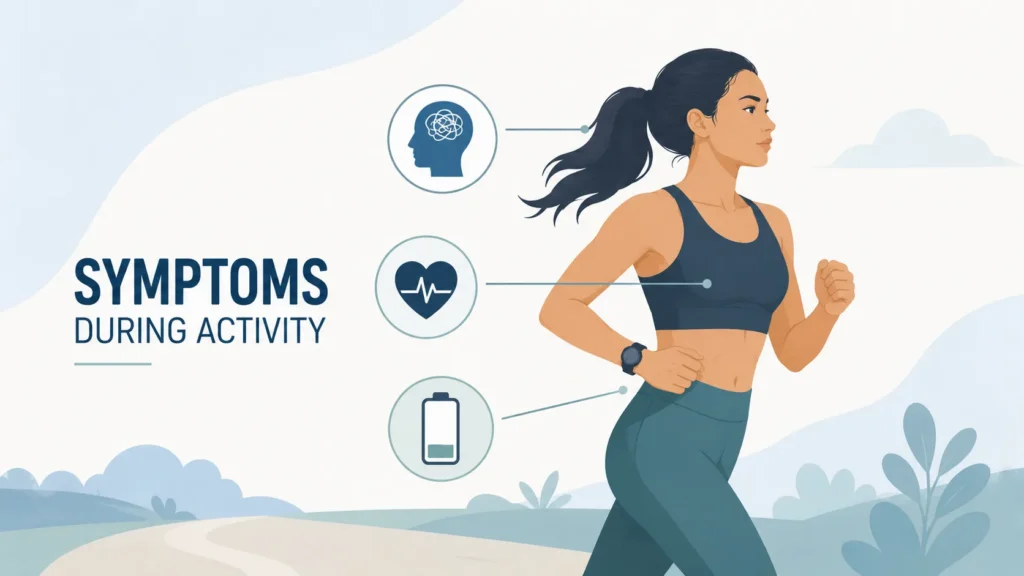
Unlike many orthopedic conditions, menstrual dysfunction does not usually cause pain during exercise itself. In fact, many women continue training successfully for months despite significant hormonal changes occurring in the background.
The challenge is that the body’s warning signs are often easy to overlook.
A runner might notice that workouts feel harder despite following the same training plan. A lifter may find that strength gains stall unexpectedly. Someone who normally recovers well between sessions may feel persistently tired even after rest days.
A common pattern is that performance becomes less predictable. One workout may feel normal, while the next feels unusually difficult despite similar conditions. Rather than a sudden loss of fitness, this often reflects a body that is having a harder time keeping up with the demands being placed upon it.
Over time, the body’s ability to adapt to training can become compromised. Recovery windows may become longer, soreness may linger, and performance may become inconsistent from week to week.
Some women eventually experience secondary issues such as bone stress injuries, tendon irritation, or recurrent muscle strains. These problems are often what bring someone into a physical therapy clinic before the underlying energy deficiency is recognized.
Common Mistakes People Make When Symptoms Start
One of the biggest mistakes is treating period loss like a normal badge of hard training. While menstrual changes can happen in active women and athletes, they should not be viewed as proof that training is working.
Common unhelpful responses include:
- Assuming period loss means you are especially fit
- Ignoring symptoms because nothing hurts
- Pushing harder when performance starts to decline
- Focusing on workouts while overlooking nutrition and recovery
- Repeatedly testing the body with hard sessions too soon
- Returning to full training as soon as symptoms feel better
Another common pattern is waiting until an injury shows up before taking the issue seriously. Since period loss is usually painless, it can feel less urgent than knee pain, hip pain, or a stress injury.
The better approach is to view menstrual changes as information rather than something to ignore. They can provide an early signal that your body may need adjustments to training, fueling, recovery, or overall workload before more significant problems develop.
Why Symptoms Often Develop Gradually
Training-related period loss rarely appears suddenly.
Most active women experience a gradual buildup of stress on their bodies. Weekly mileage increases, additional workout sessions, work responsibilities, family obligations, and inconsistent nutrition can slowly shift the balance between energy intake and energy expenditure.
The body is remarkably adaptable, which can make the process difficult to recognize. Early warning signs may be subtle enough to dismiss. A little more fatigue, slightly slower recovery, or an occasional missed cycle may not seem concerning in isolation.

Over time, however, these small changes can compound. This gradual progression is one reason many women struggle to identify exactly when the problem started.
As hormonal function becomes increasingly disrupted, the body may have a harder time supporting recovery, maintaining bone health, and adapting positively to training. This is one reason why active women sometimes feel surprised when a stress fracture or persistent injury develops despite otherwise consistent training habits.
Period Loss vs Normal Cycle Variability
Not every irregular period is caused by exercise.
Menstrual cycles can naturally vary from month to month. Stress, travel, illness, medication changes, and other medical conditions can all influence cycle timing.
The distinction often comes from the broader picture.
| What may be happening | Typical pattern |
|---|---|
| Normal cycle variation | Occasional changes with cycles generally returning to normal |
| Training-related menstrual dysfunction | Repeated irregular cycles or missing periods during heavy training periods |
| Medical or hormonal condition | Menstrual changes accompanied by other medical symptoms |
Because multiple factors can contribute to menstrual irregularities, it is important to discuss persistent changes with an appropriate healthcare provider rather than making assumptions based solely on training habits.
How Physical Therapy Evaluates Training-Related Concerns
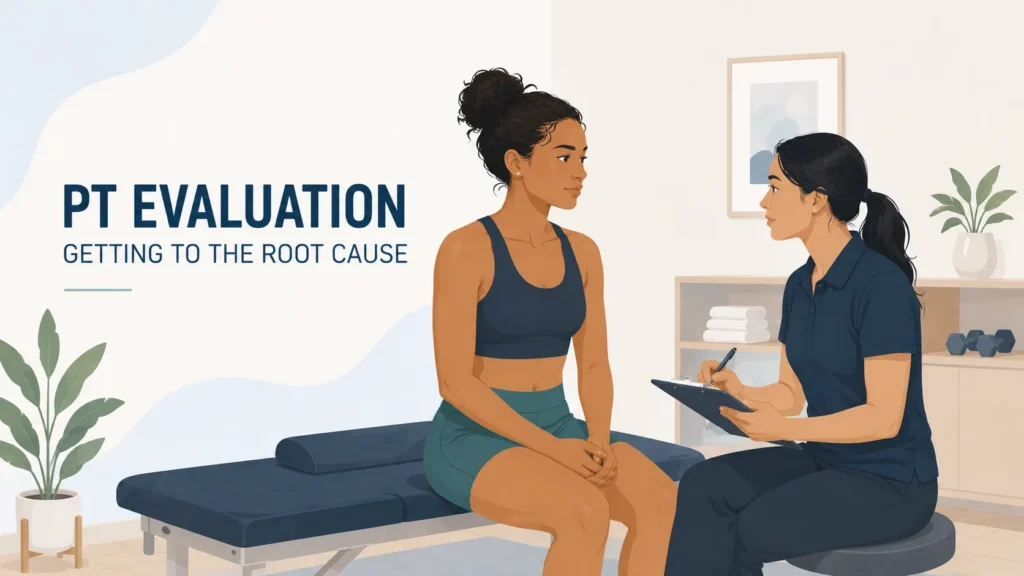
Physical therapists do not diagnose hormonal disorders, but they frequently identify patterns that suggest an athlete may benefit from further medical evaluation.
During an evaluation, a physical therapist looks at the entire picture rather than focusing on a single symptom.
This often includes discussing training habits, recovery patterns, injury history, workload progression, sleep quality, and overall activity levels. For runners and athletes, a physical therapist may also review recent changes in mileage, workout intensity, competition schedules, or training frequency. These details often help explain why symptoms appeared when they did.
Several areas commonly receive attention:
| During evaluation | Why it matters |
|---|---|
| Training volume and intensity | Identifies potential workload spikes |
| Injury history | Reveals recurring stress-related patterns |
| Recovery between sessions | Helps assess overall training balance |
| Strength and movement testing | Identifies physical deficits affecting performance |
| Functional activities | Evaluates how the body tolerates load |
| Return-to-sport goals | Guides rehabilitation planning |
If a pattern suggests possible RED-S or energy deficiency, physical therapists often collaborate with physicians, dietitians, coaches, and other healthcare providers as part of a broader care team.
How Physical Therapy Helps
Physical therapy helps address the movement, loading, recovery, and injury-related challenges that often accompany training-related energy deficiency.
For some individuals, physical therapy begins after a bone stress injury or another overuse condition has already developed. In those cases, rehabilitation focuses on helping tissues heal while identifying contributing factors that may have increased the risk of injury.
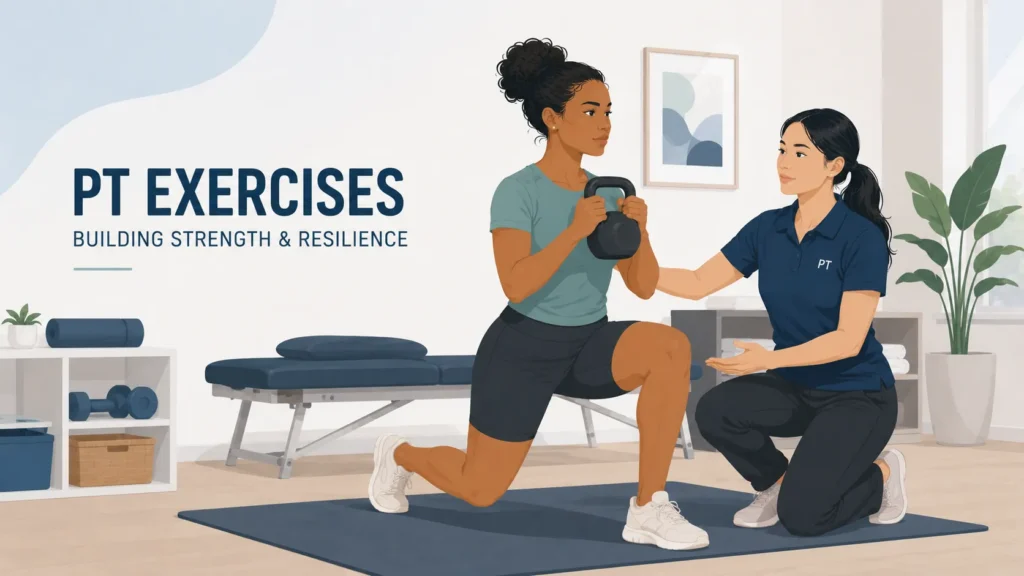
Treatment may include modifying training loads, improving strength, addressing mobility restrictions, and improving movement efficiency during sport-specific activities.
For athletes recovering from a bone stress injury or another overuse condition, rehabilitation also provides an opportunity to rebuild trust in their bodies. Many people become hesitant to return to running, lifting, or higher-impact activities after an injury. A structured progression helps restore confidence while reducing the likelihood of large spikes in training demand.
Physical therapists also help patients understand how to balance exercise with recovery. This can be especially valuable for highly motivated individuals who struggle to reduce training volume when symptoms appear.
As symptoms improve and recovery capacity increases, rehabilitation progresses toward rebuilding confidence and gradually returning to desired activities.
Rehabilitation Progression
Recovery typically involves more than simply waiting for symptoms to improve. Training modifications and gradual progression are often necessary.
Rehabilitation usually moves through overlapping phases as recovery improves.
| Rehab phase | Main goal |
|---|---|
| Early phase | Reduce excessive training stress and address active symptoms |
| Recovery phase | Improve strength, movement quality, and recovery capacity |
| Rebuilding phase | Gradually increase activity demands |
| Return to sport | Restore consistent participation with appropriate recovery |
The timeline varies considerably between individuals. Factors such as symptom duration, injury history, nutritional support, and overall training demands can all influence recovery.
Returning to Activity
Returning to full activity is usually a gradual process rather than a single milestone.
Many active women feel eager to resume their previous training schedule as soon as they start feeling better. While motivation is valuable, abrupt increases in training volume can recreate the same conditions that contributed to the problem in the first place.
Successful return-to-sport plans often emphasize consistency over intensity. Instead of chasing rapid progress, the focus shifts toward tolerating training well, recovering appropriately, and maintaining healthy habits over time.

Monitoring recovery between sessions becomes especially important. Energy levels, soreness, sleep quality, and overall performance can provide useful feedback about whether training loads are progressing at an appropriate rate.
For runners, this may involve gradually increasing weekly mileage. For lifters, it may mean slowly rebuilding training volume. For recreational athletes, it often means balancing participation in sport with adequate recovery throughout the week.
Should You Stop Exercising If You Lose Your Period?
Not necessarily. While menstrual changes should not be ignored, they do not automatically mean that all exercise must stop immediately.
The better question is whether your current training load, recovery habits, and nutritional intake are supporting your body’s needs. In some cases, reducing training volume temporarily may be appropriate. In others, improving fueling strategies and recovery practices may allow someone to continue exercising while addressing the underlying issue.
Because every situation is different, it is often helpful to work with healthcare professionals who can evaluate the full picture rather than relying on broad rules found online.
When to See a Physical Therapist
It may be helpful to seek an evaluation if you are experiencing persistent training-related symptoms, especially if injuries or performance issues are becoming recurring problems.
Consider speaking with a healthcare professional if you notice:
- Multiple missed periods
- Repeated overuse injuries
- Persistent fatigue despite rest
- Declining exercise performance
- Difficulty recovering between workouts
- Bone stress injuries or recurrent pain
Physical therapy can be particularly valuable when menstrual changes occur alongside musculoskeletal symptoms that affect training, sport participation, or daily activity.
Final Thoughts

Losing your period during training is often a sign that the body’s recovery and energy needs are not being fully met. While the absence of a menstrual cycle may seem unrelated to exercise performance, it can provide important insight into overall health and recovery capacity.
Addressing these changes early can help reduce the risk of injury, improve recovery, and support long-term participation in the activities you enjoy.
Get a Physical Therapy Evaluation
At Calibration Physical Therapy in Overland Park, Kansas, we help active adults, runners, lifters, and athletes understand how training, recovery, and injury risk interact. If recurring injuries, persistent fatigue, or changes in your menstrual cycle are affecting your ability to stay active, a thorough evaluation can help identify contributing factors and create a practical path forward.
Tags

About the Author
Dr. Traci Smiley, DPT
Traci is a licensed physical therapist and owner of Calibration Physical Therapy, serving the Kansas City area. A Board-Certified Orthopedic Clinical Specialist with advanced training in manual therapy and strength conditioning, she helps individuals overcome pain and return to what they love.