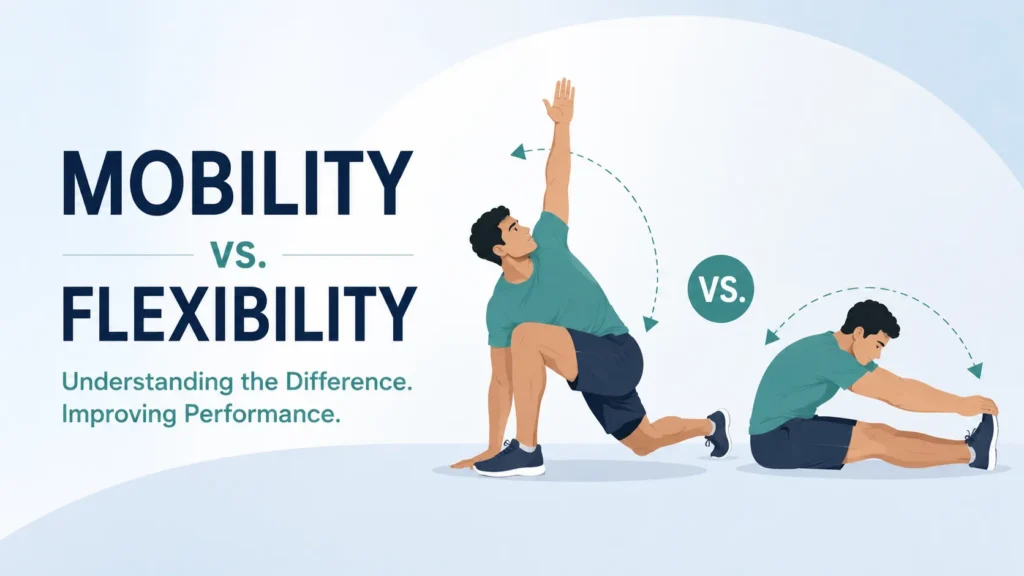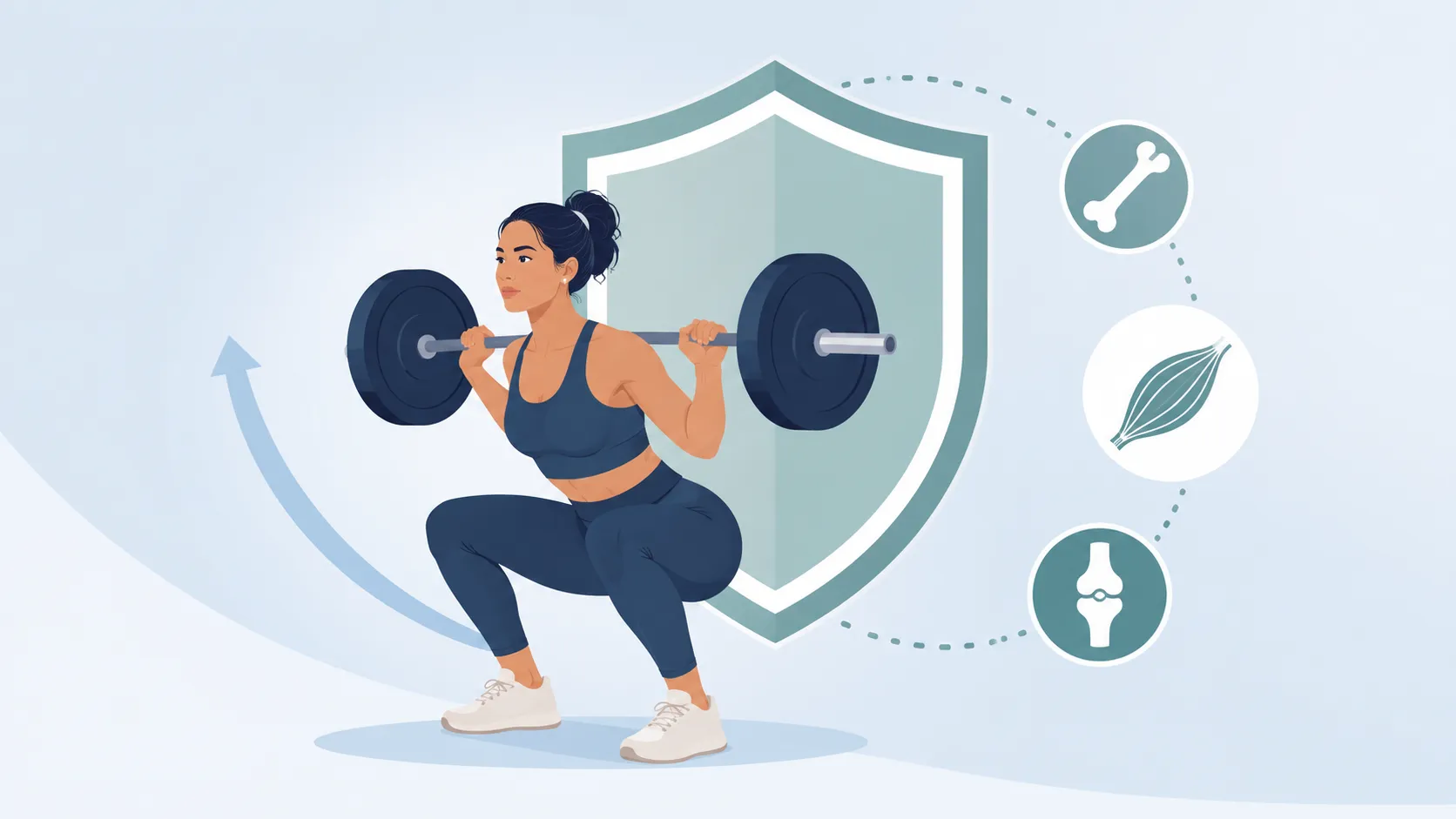
Strength training has become one of the best things women can do for their long-term health. It builds muscle, improves bone density, supports healthy joints, and helps make everything from carrying groceries to playing recreational sports feel easier.
Despite those benefits, many women still hesitate to lift heavier weights because they’re worried about getting injured. Others begin a strength program feeling great, only to develop shoulder, knee, or back pain after several weeks of consistent training.
In reality, most lifting-related injuries don’t happen because an exercise is “bad.” They usually develop when the body’s ability to recover falls behind the demands being placed on it. Training volume, recovery, technique, previous injuries, and even stress outside the gym can all play a role.
Knowing what early warning signs to look for can help you make small adjustments before a minor issue turns into something that interrupts your training. In this article, we’ll explain what commonly causes lifting injuries, how symptoms typically behave, and how physical therapy can help you stay active while recovering.
Quick Answer
Strength training is one of the safest and most effective forms of exercise when your training progresses, and your recovery keeps pace. Most lifting-related injuries develop because training demands increase faster than the body can adapt, not because a particular exercise is inherently dangerous.
Over time, well-managed strength training doesn’t just reduce injury risk. It also helps your muscles, tendons, bones, and joints become more resilient so they’re better prepared for everyday activities, work, and recreational sports.
A physical therapist can identify the factors contributing to pain so you can continue building strength while reducing unnecessary stress on irritated tissues.
What Causes Strength Training Injuries?
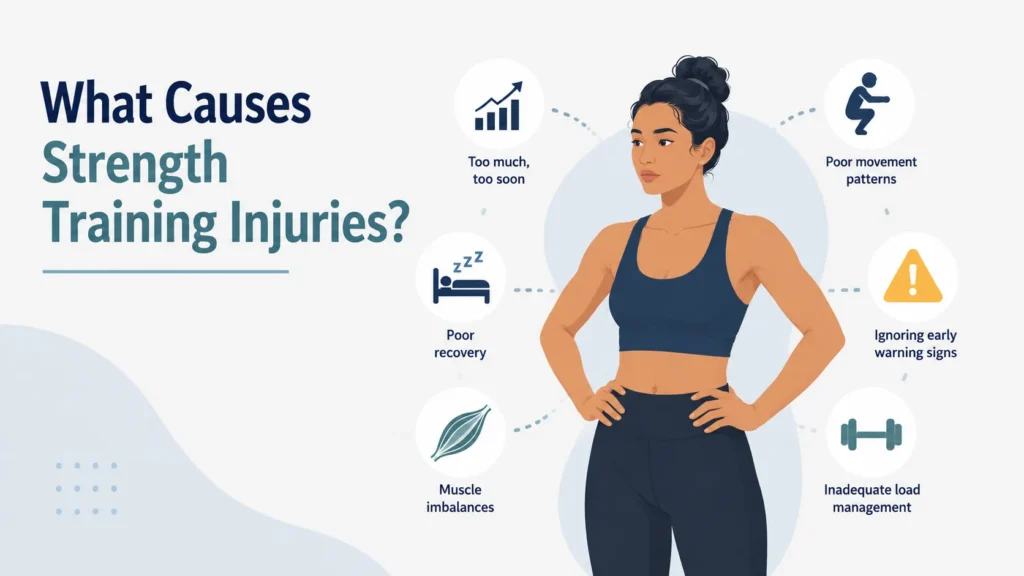
Strength training places controlled stress on your muscles, tendons, bones, and joints. That stress is exactly what tells your body to become stronger. Problems develop when that stress consistently exceeds your body’s ability to adapt.
For many women, the issue isn’t one workout. It’s the accumulation of training over days or weeks.
Some of the most common contributors include:
- Increasing weight faster than your tissues can adapt
- Adding more weekly training volume without adjusting recovery
- Returning to lifting after pregnancy, illness, or time away from the gym
- Poor sleep, inadequate nutrition, or high life stress
- Repeating the same exercises with little variation
- Mobility limitations that change how force moves through a joint
- Previous injuries that alter movement patterns
Hormonal changes can also influence recovery for some women. During pregnancy, postpartum recovery, and menopause, changes in muscle mass, connective tissue, and recovery capacity may temporarily affect how your body responds to training.
That doesn’t mean strength training should be avoided. In fact, it becomes even more valuable during these stages of life, but training may need to be adjusted to match your current capacity.
Most lifting injuries aren’t caused by a single bad workout or a single “incorrect” movement. They’re usually the result of several small factors overlapping over time. A slight increase in training volume, a few nights of poor sleep, less recovery between workouts, and continuing to push through early symptoms may not seem significant individually, but together they can exceed what your body is prepared to handle.
What Do Strength Training Injuries Feel Like?
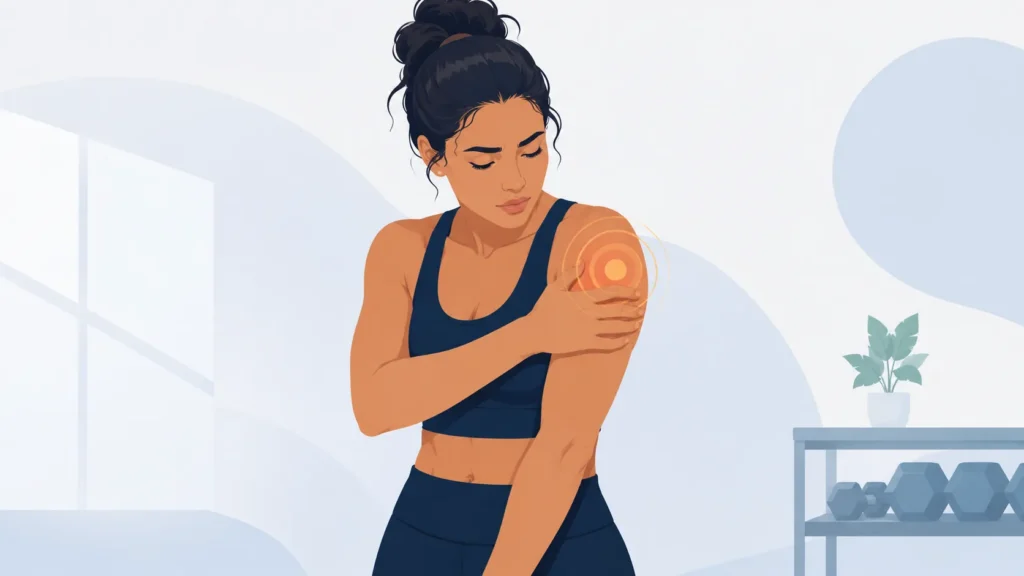
Not every ache after a workout is an injury. Temporary muscle soreness is a normal response to training and usually improves within a day or two.
Symptoms that deserve more attention behave differently.
| Typical Training Soreness | Possible Injury-Related Symptoms |
|---|---|
| General muscle soreness | Pain in one specific area |
| Improves as recovery continues | Persists or worsens over several workouts |
| Similar on both sides | Affects one side more than the other |
| Does not limit normal movement | Begins affecting lifting technique or daily activities |
People commonly notice:
- Pain during specific lifts
- Discomfort after training that lasts longer than expected
- Pain with stairs, reaching, or getting out of a chair
- Stiffness that returns every workout
- Reduced confidence when loading the affected area
The exact location depends on the tissues involved. Common areas include the shoulder, knee, hip, lower back, elbow, and Achilles tendon.
How Symptoms Behave During Activity
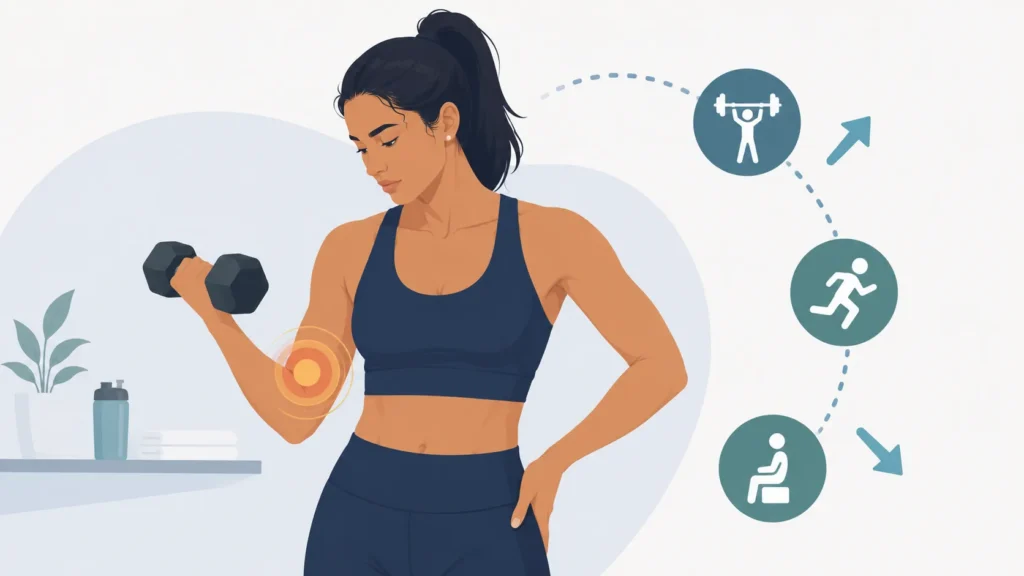
One of the first questions a physical therapist asks is, “What happens if you keep lifting?”
That’s because symptoms provide important clues based on how they respond to movement.
Some discomfort improves after a proper warm-up, as muscles become more active and joints begin to move more freely. Other pain steadily builds with each set until lifting becomes uncomfortable. Some people feel perfectly fine during training but notice stiffness several hours later or the next morning.
Paying attention to these patterns is more helpful than rating your pain from one to ten.
Questions that help identify these patterns include:
- Does the pain begin immediately or after several sets?
- Does reducing the weight improve symptoms?
- Does discomfort linger into the following day?
- Does every workout make it worse, or only certain exercises?
- Is recovery taking longer than it used to?
These patterns provide more useful information than the pain itself. They help determine whether symptoms are related to training load, tissue irritation, movement strategy, recovery, or other contributing factors, making it easier to choose the right modifications rather than relying on guesswork.
Common Mistakes People Make When Symptoms Start
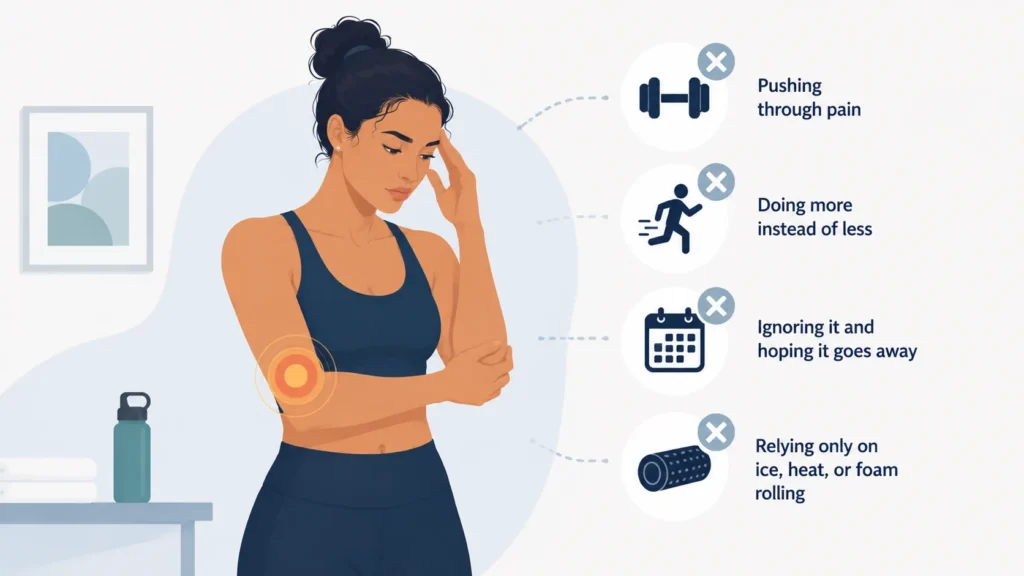
When pain appears, it’s easy to swing between two extremes: ignore it completely or stop exercising altogether. Neither approach usually leads to the best long-term outcome.
One common mistake is continuing to train exactly as planned while hoping the pain disappears. If symptoms intensify with each session, your body may be telling you that your current workload exceeds what it can tolerate.
On the other hand, some people stop all lifting for several weeks. While short periods of rest can calm irritated tissues, strength and tissue capacity also begin to decline. Returning immediately to your previous program causes symptoms to return.
Another mistake is chasing a perfect lifting technique. Small adjustments can absolutely help, but constantly changing your squat or deadlift form after every social media video usually creates confusion rather than consistency.
Perhaps the biggest misconception is believing that pain means you’re permanently damaged. In many cases, modifying training volume, temporarily changing exercises, and rebuilding tolerance allow people to continue making progress without giving up strength training altogether.
Why Symptoms Develop Gradually
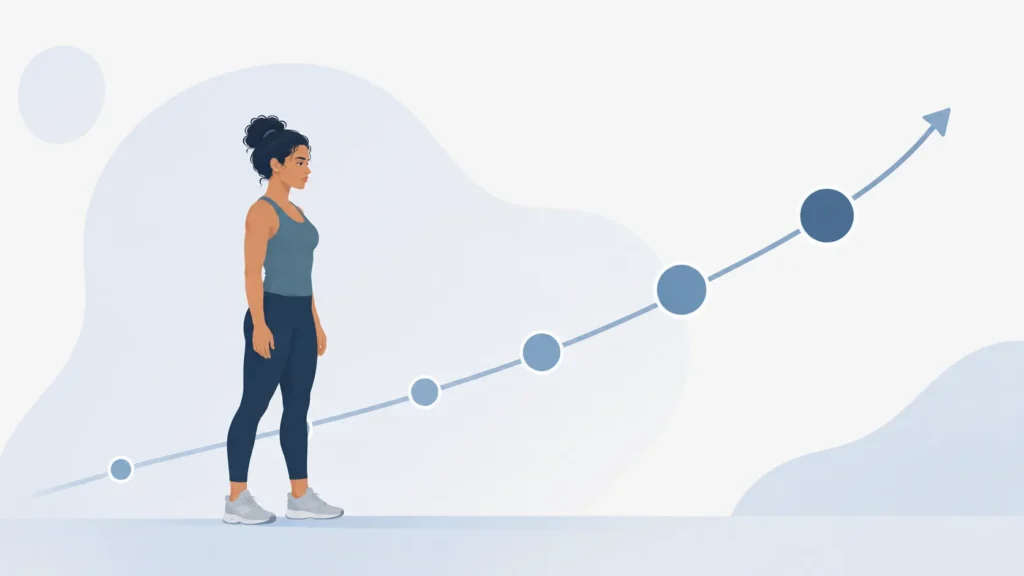
Most strength training injuries are not dramatic events.
The body gives small warning signs long before pain becomes significant.
A shoulder may feel slightly tight after pressing for several weeks. A knee may ache only after high-volume leg workouts. A lower back may feel stiff every Monday after weekend lifting sessions.
Because these symptoms are mild, it’s easy to dismiss them.
Over time, however, recovery may no longer keep pace with training. Small irritations accumulate until activities that once felt comfortable begin to cause pain.
This gradual progression is actually encouraging because it usually means there are multiple opportunities to intervene before symptoms become severe.
Common Strength Training Myths That Can Increase Injury Risk
It’s easy to find conflicting advice online about lifting weights. Some recommendations are outdated, while others oversimplify how injuries actually happen. Believing these myths can sometimes lead people to avoid helpful exercises or make training decisions that slow progress.
Myth: Heavy weights are bad for your joints
Healthy joints are designed to tolerate load. When strength training progresses, your muscles, tendons, bones, and joints all adapt over time.
Problems are much more likely to occur when training loads increase faster than your body can recover, not simply because the weights become heavier.
Myth: Squats ruin your knees
Squats are one of the most researched strength exercises and are safe for most people when performed within a comfortable range of motion.
If squats cause knee pain, the issue is related to training volume, recovery, mobility limitations, or an existing knee condition rather than the exercise itself. Adjusting the variation, depth, or workload is more effective than eliminating squats altogether.
Myth: Deadlifts are dangerous for your back
Like any exercise, deadlifts place stress on the body. That stress isn’t automatically harmful.
For many people, deadlifts are an effective way to build strength throughout the hips, legs, and trunk. The key is selecting an appropriate weight, using a technique that suits your body, and progressing gradually rather than making large jumps in load.
Myth: Women should only lift light weights
Many women worry that lifting heavier weights will lead to injury or excessive muscle growth. In reality, challenging resistance is what allows muscles, bones, and connective tissues to become stronger.
Using weights that match your current ability and increasing them over time is one of the safest ways to build resilience.
Myth: Pain always means damage
Pain is an important signal, but it doesn’t always mean you’ve injured a tissue.
Sometimes pain reflects temporary irritation or a workload your body isn’t prepared to handle. That’s why understanding when symptoms occur, how long they last, and what makes them better or worse provides much more useful information than pain intensity alone.
When symptoms keep returning or begin to limit your training, a physical therapy evaluation can help identify what’s contributing to the problem and which adjustments are most likely to help.
Strength Training Pain vs Normal Muscle Soreness
Many people struggle to decide whether they should push through discomfort or modify their workout.
A helpful way to think about it is to look at how symptoms behave over time.
| Normal Muscle Soreness | Strength Training Injury |
|---|---|
| Appears after an unfamiliar exercise | Linked to one movement or body part |
| Peaks within one to two days | May persist for weeks |
| Improves with light movement | Can worsen with repeated loading |
| Does not change movement quality | May cause compensation or altered technique |
There is some overlap, which is why an evaluation can be helpful when symptoms continue returning despite adjusting your workouts.
How Physical Therapy Evaluates Strength Training Injuries
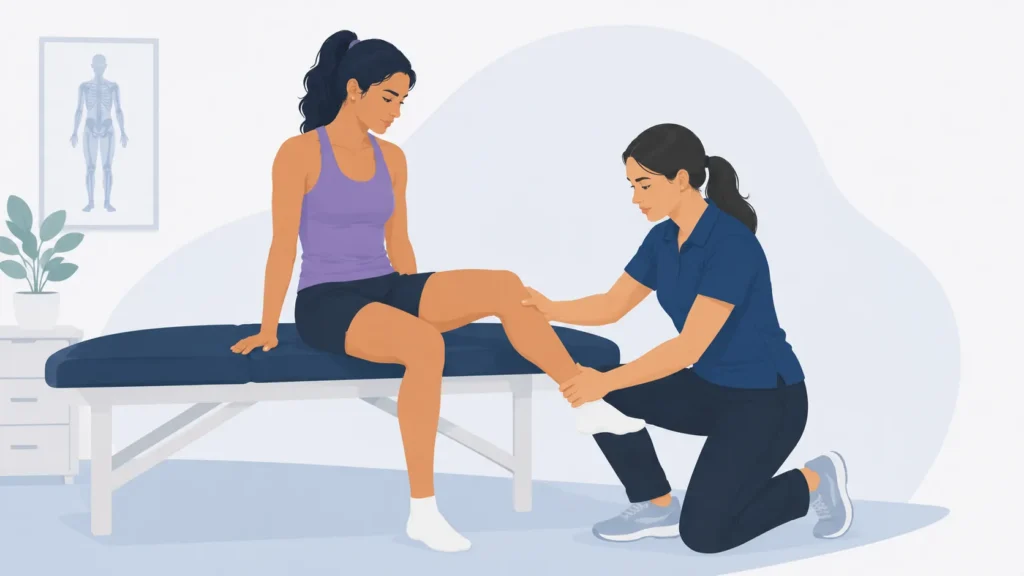
A physical therapy evaluation begins with understanding your training.
Rather than focusing only on the painful area, your therapist will want to understand the bigger picture. That includes your lifting routine, recent changes in training volume or intensity, recovery habits, previous injuries, and the specific goals you’re working toward.
The physical examination may include:
- Observing how you perform movements such as squats, presses, hinges, or lunges
- Assessing mobility that may influence lifting mechanics
- Evaluating strength and control throughout the movement chain
- Identifying positions or loads that reproduce symptoms
- Looking for differences between the sides
For example, persistent knee pain during squats isn’t always caused by the knee itself. Your therapist may find that recent increases in training volume, reduced hip strength, limited ankle mobility, or fatigue later in your workouts are placing more stress on the knee than it can currently tolerate. Identifying those contributing factors helps explain why symptoms developed and what changes are most likely to help.
Your therapist isn’t evaluating your squat to judge whether it’s perfect. They’re looking for movements that reproduce your symptoms and identifying opportunities to reduce unnecessary stress while keeping you training.
Identifying those contributing factors helps create a plan that addresses why symptoms developed rather than treating pain.
How Physical Therapy Helps Strength Training Injuries
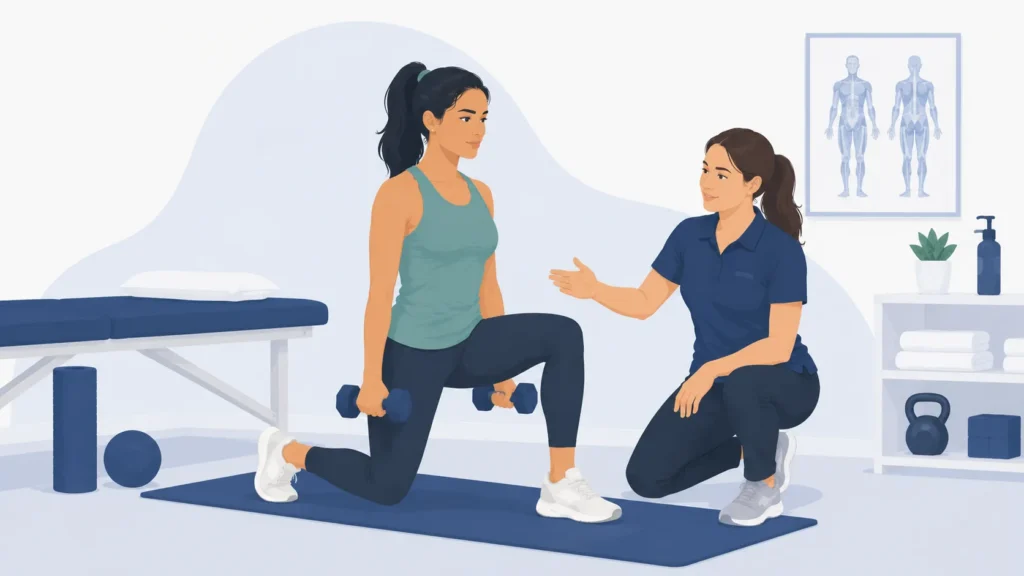
Physical therapy isn’t about replacing your workouts. It’s about helping you train more effectively while the irritated tissue recovers.
Instead of prescribing complete rest, your therapist will usually look for ways to keep you active by adjusting training variables that contribute to your symptoms. That might mean reducing overall training volume, temporarily changing exercise selection, shortening the range of motion, or modifying lifting intensity.
As symptoms settle, rehabilitation shifts toward rebuilding the tissue’s ability to tolerate progressively greater loads. Pain relief is only one part of rehabilitation. Physical therapy also focuses on restoring the strength, confidence, and tissue capacity needed to return to your previous level of training and continue progressing afterward.
For example, someone experiencing shoulder pain during overhead pressing may temporarily use alternative pressing variations while working to improve shoulder strength, upper back control, and overhead mobility. As tolerance improves, overhead pressing can be reintroduced rather than permanently avoided.
Along the way, you’ll also learn how to recognize early warning signs, manage training loads, and make adjustments before small problems become larger ones.
Rehabilitation Progression
Recovery usually follows a gradual progression rather than a single milestone.
| Phase | What this looks like |
|---|---|
| Calm symptoms | Modify painful lifts while staying active |
| Rebuild strength | Gradually restore strength and movement tolerance |
| Increase workload | Add weight, volume, or frequency over time |
| Return to training | Resume your normal program with ongoing progression |
The exact timeline depends on the individual, the tissues involved, training history, and how consistently the rehabilitation plan is followed.
Returning to Activity

Returning to full training isn’t about waiting until every ache completely disappears. It’s about rebuilding your body’s capacity to tolerate the demands of lifting. The goal is to increase what your muscles, tendons, and joints can comfortably handle while monitoring how symptoms respond along the way.
Rather than increasing weight, sets, and training frequency all at once, focus on changing one variable at a time. This allows your body to adapt while making it easier to identify what may be aggravating symptoms if they return.
Many physical therapists also encourage using your recovery over the next 24 hours as a guide. Mild soreness that settles by the following day is acceptable during rehabilitation. Pain that steadily increases after every session or lingers for several days may indicate that your progression is happening too quickly.
Recovery outside the gym matters just as much as the workout itself. Consistent sleep, adequate protein intake, hydration, and appropriate spacing of challenging training sessions all contribute to tissue recovery and long-term progress.
Getting back under the bar is only part of the process. Just as important is returning with better habits in training progression, recovery, and workload management, so the same problem is less likely to recur a few months later.
When to See a Physical Therapist
Consider scheduling an evaluation if:
- Pain continues for several weeks
- Symptoms keep returning during training
- You’re changing or avoiding exercises because of pain
- Daily activities have become uncomfortable
- You are unsure whether it is safe to continue lifting
- Progress has stalled despite modifying your workouts
Early evaluation can identify small problems before they become more difficult to manage.
Final Thoughts
Strength training remains one of the most effective ways for women to improve long-term health, stay active, and build resilience. While injuries can happen, they are rarely caused by lifting weights alone. More often, they develop when training demands outpace recovery.
Learning to recognize early warning signs, manage training load, and adjust your workouts when needed can prevent small problems from becoming bigger setbacks.
Pain during strength training doesn’t automatically mean you need to stop lifting. In many cases, thoughtful adjustments to your training and a structured rehabilitation plan allow you to keep moving while the underlying problem improves.
Keep Building Strength With Confidence
If strength-training pain is making it harder to enjoy your workouts or continue progressing, the team at Calibration Physical Therapy in Overland Park, Kansas, can help identify the factors contributing to your symptoms and develop a plan to help you return to lifting with confidence. Schedule an evaluation to get started.
Tags

About the Author
Dr. Traci Smiley, DPT
Traci is a licensed physical therapist and owner of Calibration Physical Therapy, serving the Kansas City area. A Board-Certified Orthopedic Clinical Specialist with advanced training in manual therapy and strength conditioning, she helps individuals overcome pain and return to what they love.