Pelvic floor symptoms can show up during activities that seem unrelated. You may notice leakage when running, jumping, coughing, or lifting. You may feel urgency that interrupts a workout or commute, constipation that requires straining, pressure during prolonged standing, or pain with sitting or sexual activity.
These symptoms can affect pregnancy recovery, exercise, work, sleep, household tasks, and sexual activity. The sections below explain what pelvic floor dysfunction can involve, how symptoms may respond to activity, and when physical therapy may be useful.
What Is Pelvic Floor Dysfunction?
Pelvic floor dysfunction is a problem with how the pelvic floor muscles and surrounding tissues work. The pelvic floor supports the pelvic organs and contributes to bladder and bowel function, sexual function, breathing, pressure management, and movement.
The muscles may be weak, overly tense, poorly coordinated, or difficult to relax. Symptoms can include urinary leakage or urgency, constipation or straining, pelvic pain or pressure, sexual discomfort, or leakage and pressure during coughing, lifting, running, jumping, or exercise.
Pelvic floor dysfunction is not always a strengthening problem. Some people need help improving muscle strength, while others may need to improve relaxation, coordination, breathing, or pressure management. An evaluation can help identify which factors may be contributing to your symptoms.
What Causes Pelvic Floor Dysfunction?

The pelvic floor responds to changes in pressure, movement, activity, and health. Symptoms may develop when the muscles struggle to produce enough force, relax fully, coordinate with movement, or manage pressure during daily tasks.
Pregnancy and childbirth can change how the pelvic floor, abdominal wall, hips, spine, and breathing muscles respond to movement. Some people notice leakage, pressure, or discomfort during postpartum recovery. Others have difficulty returning to lifting, running, workouts, or prolonged standing.
Constipation and repeated straining can also affect pelvic floor function. A person may tighten the muscles to avoid leakage or discomfort, then have difficulty relaxing them during a bowel movement. Surgery, injury, coughing, changes in activity, and repeated physical demands may also play a role.
The cause is not always obvious. Pelvic floor symptoms may reflect several contributing factors rather than a single muscle, movement, or event.
What Symptoms Can Pelvic Floor Dysfunction Cause?

Pelvic floor dysfunction can feel different from person to person. Some people notice bladder or bowel changes, while others notice pain, pressure, sexual discomfort, or symptoms during exercise and daily movement.
Bladder symptoms may include leakage with coughing, sneezing, jumping, running, lifting, or changing positions. Urgency, frequent trips to the bathroom, difficulty delaying urination, or trouble emptying the bladder may also occur.
Bowel symptoms may include constipation, straining, bowel urgency, difficulty relaxing, or trouble coordinating a bowel movement. Pelvic pain or pressure may occur with sitting, walking, exercise, changing positions, bowel movements, or sexual activity.
Symptoms may become noticeable during running, lifting, coughing, getting up from a chair, walking for longer periods, sitting through a workday, or returning to exercise after pregnancy or childbirth. Persistent, worsening, or unexplained symptoms may require medical evaluation in addition to physical therapy.
How Symptoms Behave During Activity
Pelvic floor symptoms may change with force, speed, repetition, position, fatigue, and recovery. Leakage may appear only during running or jumping. Pressure may become more noticeable after prolonged standing or lifting. Urgency may increase when you are rushing, fatigued, or trying to finish a workout quickly.
Symptoms can also appear after activity rather than during it. You may complete a run and notice pressure later that day, or tolerate a lifting session but feel discomfort after repeated bending, carrying, or household work.
This pattern gives you useful information about how your body is responding to the current demand. Your therapist can help you consider the activity’s intensity, duration, impact, breathing demands, and recovery response before deciding what to adjust.
Common Mistakes People Make When Symptoms Start

Pelvic floor symptoms can be confusing, especially when they appear during an activity you have done many times before. A common mistake is assuming that every problem requires more strengthening. Another is stopping all exercise or lifting after a single episode of leakage, pressure, or discomfort.
Some people also overlook constipation, straining, difficulty relaxing, or changes in breathing. Others wait until symptoms interfere with work, sleep, exercise, travel, or relationships before seeking help.
A more useful starting point is to notice when symptoms occur, what activities affect them, and how your body responds afterward. Your plan may involve adjusting pace, position, impact, lifting demands, or exercise volume while you assess the contributing factors.
Why Symptoms Often Develop Gradually
Pelvic floor symptoms may become noticeable after activity demands change. This can happen when you increase running mileage, add heavier lifting, return to a demanding job, resume exercise after childbirth, or spend more time standing, coughing, or carrying.
Recovery also matters. Poor sleep, illness, stress, constipation, or time away from exercise may affect how your body tolerates familiar activities. Gradual symptoms do not necessarily mean that one activity caused damage. They may reflect the combined effects of force, repetition, pressure, coordination, and recovery.
Symptoms can also follow childbirth, surgery, or an injury. Sudden or severe changes should not automatically be attributed to the pelvic floor and may require broader medical evaluation.
Pelvic Floor Dysfunction Is Not the Same as a Weak Pelvic Floor
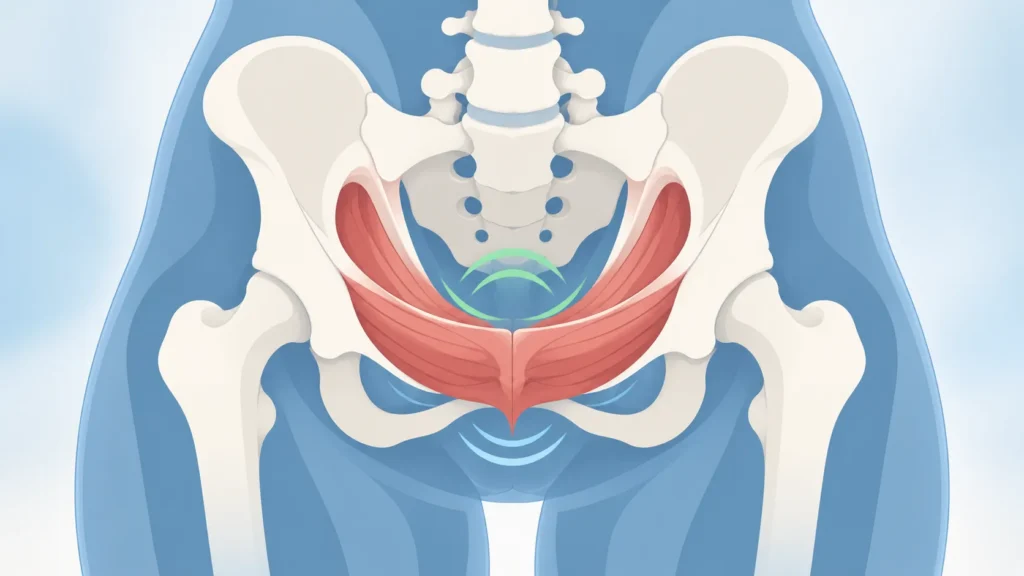
Pelvic floor dysfunction does not always mean the muscles need to be stronger. Strength may matter for someone experiencing leakage during running, jumping, coughing, or lifting. Another person may have difficulty relaxing the muscles, coordinating them with breathing, or managing pressure during movement.
Someone with pelvic pain, constipation, or difficulty emptying the bladder may need a different approach from someone whose main concern is leakage during exercise. Strengthening exercises can be useful when they fit the evaluation and the person’s goals, but they are not automatically the right starting point for every symptom.
How Physical Therapy Evaluates Pelvic Floor Dysfunction
A pelvic floor physical therapy evaluation begins with a discussion of your symptoms, health history, daily activities, and goals. Your therapist may ask when symptoms occur, what makes them better or worse, and how they affect exercise, work, sleep, bowel movements, sexual activity, or household tasks.
Your therapist may assess how the pelvic floor contracts and relaxes, how breathing affects pressure, and how the hips, spine, and trunk contribute to movement. The evaluation may also include practical tasks such as lifting, walking, running, or changing positions. Pregnancy, childbirth, surgery, injury, constipation, repetitive straining, and recent changes in activity may also be relevant.
In some cases, your therapist may discuss an internal pelvic floor examination, but it is not automatically required. Your therapist should explain why an assessment may be useful, answer your questions, and obtain your consent before proceeding. You can request modifications or decline any part of an examination.
How Physical Therapy Helps Pelvic Floor Dysfunction
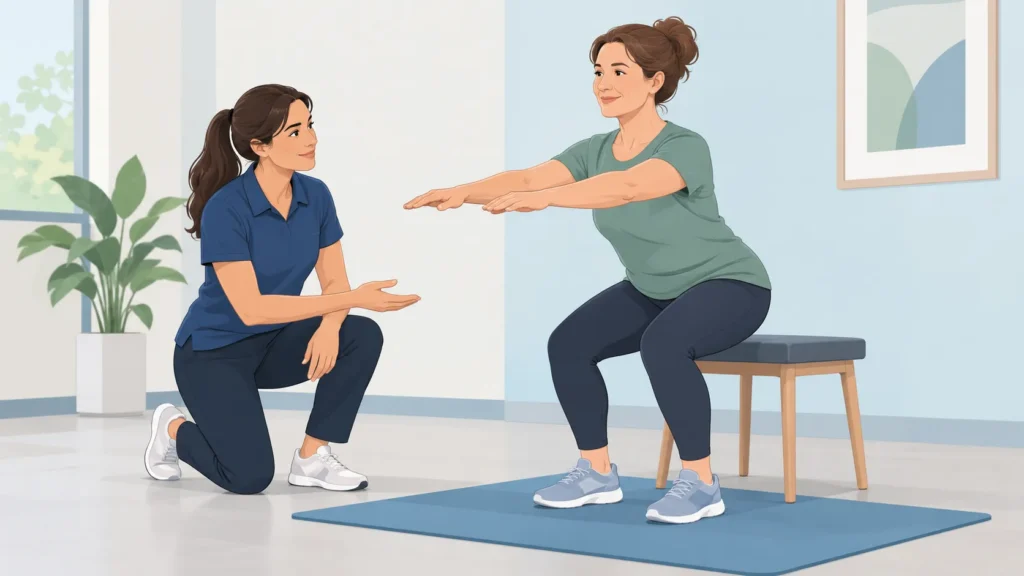
Treatment depends on your symptoms, evaluation findings, comfort, and goals. Physical therapy may include education, personalized exercise, breathing strategies, movement training, activity modification, and hands-on care when appropriate.
Education can help you recognize patterns involving muscle tension, breathing, bowel habits, lifting, prolonged sitting, coughing, or exercise. Exercises may focus on contraction, relaxation, trunk or hip strength, mobility, coordination, or endurance.
Treatment can also connect directly to an activity that matters to you. Someone who notices leakage while running may work through breathing and coordination strategies before progressing from walking to short running intervals. Someone whose symptoms appear during lifting may work on pressure management, lifting mechanics, and gradual exposure to the demands of work or home tasks.
Rehabilitation Progression
Pelvic floor rehabilitation does not follow a fixed sequence for everyone. Stages may overlap, and different activities may progress at different rates.
| Stage | Main focus |
|---|---|
| Understand the pattern | Identify symptoms, triggers, activities, and recovery response |
| Build control | Practice contraction, relaxation, breathing, coordination, or strength as appropriate |
| Apply strategies | Use the plan during walking, lifting, coughing, exercise, work, or household tasks |
| Progress activity | Gradually increase duration, load, speed, impact, or complexity |
| Maintain participation | Continue using strategies while adapting to changing demands |
Progress is judged by more than whether symptoms disappear immediately. Useful signs may include better tolerance for walking or exercise, fewer interruptions during the day, improved ability to relax or coordinate the muscles, and greater confidence with specific tasks.
Returning to Activity
Returning to activity should reflect the demands you want to manage. A runner may begin with shorter intervals or lower-impact conditioning. Someone returning to strength training may adjust the load, repetitions, breathing, or exercise position. Someone recovering after childbirth may progress from daily movement to lifting, running, or workouts.
Pay attention to symptoms during the activity and in the hours that follow. If symptoms increase, that information can guide the next adjustment. You may need to change the amount, speed, position, rest period, or intensity before progressing again.
The goal is to build an activity level your body can manage while restoring the specific demands of work, exercise, sport, or daily life.
How Long Does Pelvic Floor Dysfunction Take to Improve?
There is no single timeline for pelvic floor symptoms. Progress depends on the symptoms involved, contributing factors, health history, activity demands, goals, and response to treatment.
Improvement may look like fewer leakage episodes, less urgency, easier bowel movements, improved tolerance for sitting or walking, less discomfort during activity, or greater confidence returning to exercise.
If symptoms remain unchanged, repeatedly flare, worsen, or continue to limit your participation, reassessment may help clarify what needs to change. Persistent symptoms may also require medical evaluation for causes outside physical therapy.
When to See a Physical Therapist
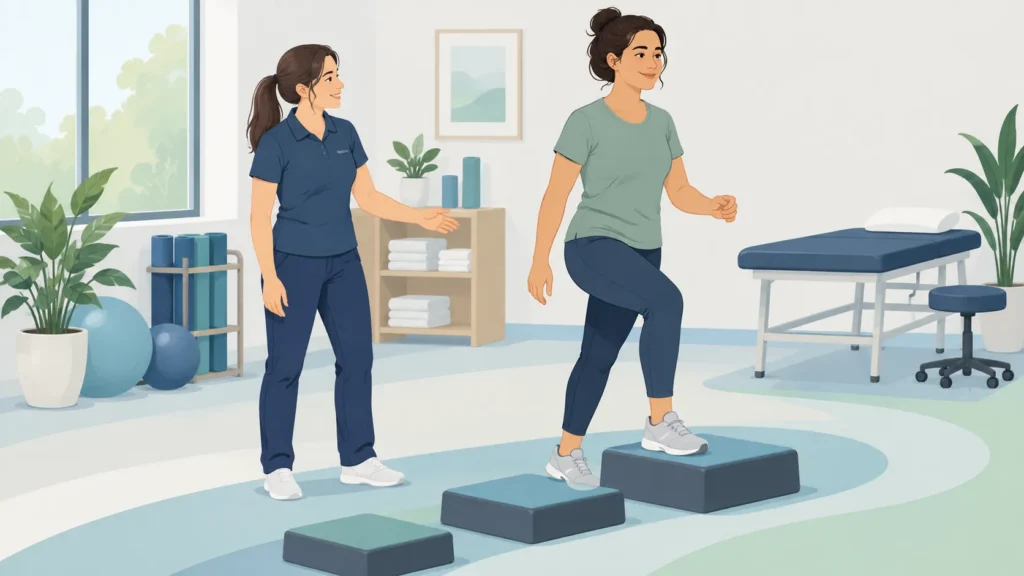
A pelvic floor physical therapy evaluation may be useful when symptoms affect exercise, lifting, work, sleep, travel, household tasks, intimacy, or other activities you want to continue.
You do not need to know the exact cause or have a confirmed diagnosis before starting the conversation. A therapist can discuss your concerns, evaluate relevant movement and muscle function, and explain whether physical therapy appears appropriate.
Seek medical guidance for unexplained bleeding, fever, sudden or severe pain, new neurological changes, or significant changes in bladder or bowel function.
FAQs About Pelvic Floor Dysfunction
What symptoms may be related to pelvic floor dysfunction?
Possible symptoms include urinary leakage or urgency, constipation or straining, pelvic pain or pressure, sexual discomfort, and symptoms during coughing, lifting, running, jumping, or exercise. These symptoms can have multiple causes, so an evaluation may be helpful when they persist or affect daily activities.
Is pelvic floor dysfunction always caused by weak muscles?
No. Pelvic floor dysfunction may involve weakness, muscle tension, difficulty relaxing, poor coordination, breathing, or pressure management. Strengthening exercises may help some people, while others may need a different starting point.
Do I need a confirmed diagnosis before starting physical therapy?
Not necessarily. You can discuss your symptoms, health history, activities, and goals during an evaluation. Your therapist can explain whether physical therapy appears appropriate or whether another type of medical evaluation may be recommended.
Will pelvic floor physical therapy include an internal examination?
Not automatically. An internal examination may be discussed when it could provide useful information, but your therapist should explain the purpose, answer your questions, and obtain your consent. You can request modifications or decline any part of an examination.
Can pelvic floor PT help with exercise, lifting, or running?
It may. Treatment can address breathing, coordination, strength, relaxation, pressure management, and gradual activity progression. Your plan can be connected to specific goals such as returning to running, lifting at work, exercising, or managing household tasks.
Final Thoughts
Pelvic floor dysfunction can involve weakness, tension, poor coordination, poor relaxation, breathing issues, pressure management challenges, or difficulty adapting to activity. Symptoms may affect bladder and bowel function, pelvic comfort, sexual activity, exercise, lifting, work, sleep, and daily routines.
A physical therapy evaluation can connect your symptoms to the activities that matter to you and help identify an appropriate next step. Treatment may include education, personalized exercise, movement strategies, and gradual progression rather than a standard routine.
Explore Pelvic Floor Physical Therapy
If pelvic floor symptoms affect your daily activities, exercise, work, or comfort, consider pelvic floor physical therapy at Calibration Physical Therapy in Overland Park, Kansas.
Schedule a pelvic floor physical therapy evaluation to discuss your symptoms, activity goals, and treatment options. You can also call the clinic with questions and learn how to get started.
Tags

About the Author
Dr. Traci Smiley, DPT
Traci is a licensed physical therapist and owner of Calibration Physical Therapy, serving the Kansas City area. A Board-Certified Orthopedic Clinical Specialist with advanced training in manual therapy and strength conditioning, she helps individuals overcome pain and return to what they love.