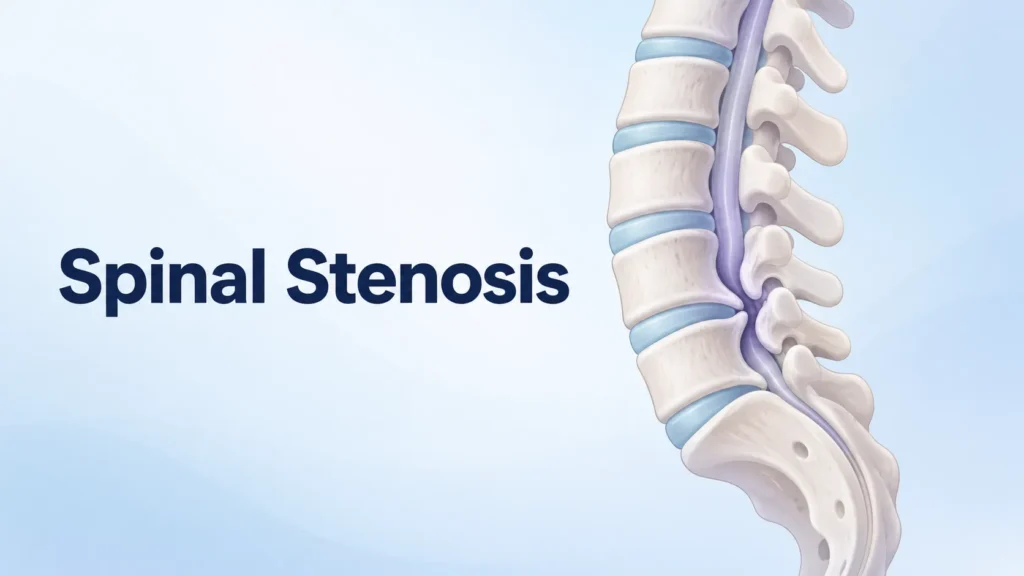
Sciatica is a term many people use to describe pain that travels from the lower back into the leg. The discomfort often follows a specific path through the buttock and down the back or side of the leg, sometimes reaching the calf or foot.
This type of pain usually occurs when the sciatic nerve becomes irritated somewhere along its pathway. Understanding what causes sciatica, how symptoms typically behave, and when treatment may help can make it easier to manage the condition and return to normal activity.
What Is Sciatica?
Sciatica refers to pain that radiates along the path of the sciatic nerve, which runs from the lower back through the buttocks and down the leg. It usually develops when a structure in the lower back or surrounding tissues places pressure on or irritates the nerve.
The sciatic nerve is the largest nerve in the body. It begins in the lower spine, travels through the pelvis, and continues down each leg. When the nerve becomes irritated, symptoms can appear anywhere along that pathway.
People with sciatica commonly report symptoms such as:
- Pain that travels from the lower back into the buttock or leg
- Tingling or numbness in the leg or foot
- A burning or sharp sensation down one side of the body
- Weakness in certain leg movements
Sciatica typically affects only one side of the body. The intensity can vary widely. Some people notice mild irritation during certain movements, while others experience more persistent discomfort that interferes with daily activity.
What Causes Sciatica?

Sciatica is not a diagnosis by itself. Instead, it describes a pattern of nerve-related symptoms. Several conditions can irritate the sciatic nerve and produce similar symptoms.
In outpatient physical therapy clinics, most cases of sciatica are related to irritation of the nerve roots in the lower spine.
Common causes include:
- Lumbar disc irritation or disc bulging
- Lumbar disc herniation
- Spinal stenosis in the lower back
- Irritation of the nerve as it passes through the surrounding muscles
- Degenerative changes in the spine
Each of these conditions can affect how the sciatic nerve moves and tolerates load during everyday activity.
Lumbar Disc Irritation
Intervertebral discs sit between the vertebrae and help absorb shock during movement. When a disc becomes irritated or bulges, it may put pressure on nearby nerve roots.
This pressure can cause symptoms to travel along the nerve pathway into the leg.
Disc Herniation
A disc herniation occurs when part of the inner disc material pushes outward through the outer disc layer. This can directly compress a spinal nerve root.
Not every disc herniation causes symptoms. When it does affect a nerve root, pain or tingling may travel down the leg.
Spinal Stenosis
Spinal stenosis refers to the narrowing of spaces in the spine where nerves travel. This narrowing can develop gradually over time.
Some people with spinal stenosis notice leg symptoms when walking or standing for long periods. Symptoms may improve when sitting or leaning forward.
Muscle-Related Nerve Irritation
In some cases, the sciatic nerve becomes irritated as it passes near surrounding muscles in the hip or buttock. Tightness or irritation in these areas may cause symptoms similar to those of traditional sciatica.
A physical therapy evaluation helps determine whether symptoms are coming primarily from the spine, surrounding muscles, or a combination of both.
What Does Sciatica Feel Like?

Sciatica symptoms often behave differently from typical muscle soreness. Instead of a localized ache, the discomfort usually follows the path of a nerve.
People frequently describe sensations such as:
- Sharp or shooting pain in the leg
- Burning sensations along the nerve pathway
- Tingling or “pins and needles” in the calf or foot
- Numbness in certain areas of the leg
- Weakness during specific movements
Symptoms may appear during certain activities or positions. For example, prolonged sitting can increase pressure on the lower spine, potentially aggravating nerve symptoms.
Walking or changing positions can sometimes improve symptoms by reducing pressure on irritated structures.
Where Sciatica Pain Is Usually Felt
The location of symptoms often depends on which nerve root in the lower spine is irritated. Clinicians frequently use symptom patterns to help narrow down possible causes.
| Pain location | Common symptom pattern |
|---|---|
| Buttock and back of thigh | Sciatic nerve irritation from the lower spine |
| Outer thigh and calf | Possible involvement of the S1 nerve root |
| Back of calf and bottom of foot | Possible involvement of S1 nerve root |
| Foot numbness or tingling | Nerve irritation affecting sensory pathways |
Pain location alone does not confirm a diagnosis, but it can provide helpful clues during an evaluation.
Risk Factors for Developing Sciatica
Sciatica can develop after a specific injury, but many cases appear gradually. Certain factors increase the likelihood that the sciatic nerve becomes irritated.
Several common contributors include:
- Repeated bending or lifting tasks
- Long periods of sitting
- Sudden increases in training volume
- Previous lower back injury
- Limited mobility in the hips or spine
- Weakness in the supporting muscles around the trunk and hips
Prolonged sitting is one of the most frequent aggravating factors. Sitting increases pressure on structures in the lower back, potentially worsening nerve irritation.
Movement patterns also play a role. Limited mobility in the hips or lower spine can shift additional stress to certain tissues, making them more sensitive over time.
How Physical Therapy Helps Sciatica

Physical therapy focuses on identifying the mechanical factors that are irritating the nerve. Rather than treating only the painful area, clinicians evaluate how the spine, hips, and surrounding muscles move during everyday activities.
Many cases of sciatica improve when movement patterns and load tolerance are addressed.
Sciatica treatment plans vary between individuals, but they often include several key components.
Movement Assessment
A physical therapist begins by evaluating how the spine and hips move during common tasks.
This may include observing:
- Walking mechanics
- Bending and lifting movements
- Sitting posture and tolerance
- Hip and spinal mobility
These observations help determine whether certain positions or movements increase stress on the irritated nerve.
Strength and Stability
The muscles of the trunk, hips, and lower back help support the spine during movement. When these muscles do not provide enough support, additional stress may be placed on spinal structures.
Strengthening exercises often focus on improving control and endurance in these areas to help the spine tolerate daily activity more comfortably.
Mobility and Nerve Movement
Nerves need to move freely within surrounding tissues. When certain structures become stiff or irritated, nerve mobility can become restricted.
Physical therapy may include techniques that help improve mobility in the spine, hips, and surrounding muscles. These changes often reduce stress on the irritated nerve pathway.
Activity Guidance
One of the most helpful aspects of treatment is learning how to stay active without worsening symptoms.
Instead of recommending complete rest, physical therapists typically help patients modify activity levels so the irritated tissues can calm down while maintaining movement.
This may involve:
- Adjusting sitting habits
- Gradually returning to exercise
- Modifying lifting techniques
- Managing training volume
The goal is to restore comfortable movement while allowing irritated tissues to recover.
When Sciatica Should Be Evaluated
Many mild episodes of sciatic irritation improve over time as inflammation decreases and normal movement returns.
However, persistent symptoms may indicate that the nerve remains irritated during daily activities.
Consider seeking evaluation if you notice:
- Leg pain lasting more than a few weeks
- Numbness or tingling that continues during activity
- Weakness in the leg or foot
- Pain that interferes with walking, exercise, or work
Early evaluation often helps identify the underlying cause of symptoms before they become a longer-term limitation.
The Value of Early Assessment

When nerve symptoms continue, people often fall into one of two patterns. Some push through the discomfort and hope it improves on its own. Others avoid activity because they worry movement will worsen the problem.
Both approaches can sometimes prolong symptoms.
A structured physical therapy evaluation helps identify the factors contributing to nerve irritation. Instead of focusing only on the painful area, clinicians assess how the spine, hips, and surrounding muscles work together during movement.
Addressing these factors early often allows people to return to exercise, daily activity, and work more comfortably.
Conclusion
Sciatica refers to nerve-related pain that travels from the lower back into the leg. The symptoms can range from mild irritation to more persistent discomfort, depending on the extent of involvement of the sciatic nerve.
Because many cases involve movement patterns, spinal mechanics, and activity levels, physical therapy can play an important role in recovery. Identifying the factors that irritate the nerve often allows symptoms to improve while helping people return to normal activity.
If you are experiencing persistent leg pain, tingling, or nerve-related symptoms, a physical therapy evaluation can help determine what is contributing to the issue and how to address it safely.
At Calibration Physical Therapy, our clinicians evaluate how the spine and surrounding joints move to identify factors contributing to sciatic nerve irritation and help patients return to comfortable movement.
Tags

About the Author
Dr. Traci Smiley, DPT
Traci is a licensed physical therapist and owner of Calibration Physical Therapy, serving the Kansas City area. A Board-Certified Orthopedic Clinical Specialist with advanced training in manual therapy and strength conditioning, she helps individuals overcome pain and return to what they love.