
Back pain is one of the most common musculoskeletal conditions affecting adults. It affects active adults, runners, desk workers, and people whose jobs involve lifting, bending, or prolonged sitting.
Most back pain develops gradually rather than from a single injury. The good news is that many cases respond very well to physical therapy that focuses on improving movement, restoring tolerance to activity, and building strength around the spine.
This guide explains why back pain develops, how symptoms behave during everyday activity, and how physical therapy helps people return to normal movement.
What Is Back Pain?
Back pain refers to discomfort, stiffness, or soreness in the muscles, joints, or soft tissues that support the spine. It most commonly occurs in the lower back but can also appear in the mid-back or upper back.
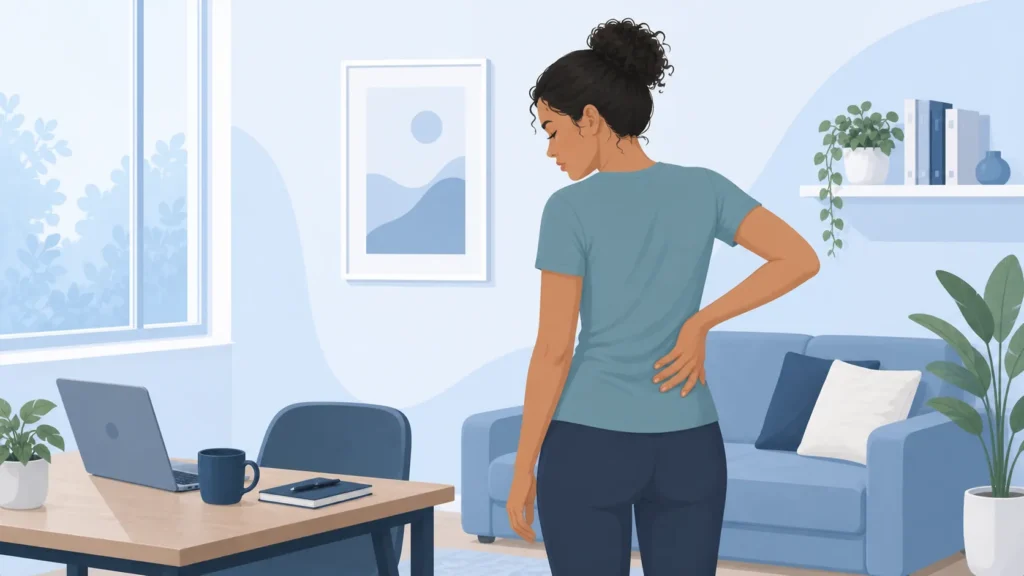
For many people, symptoms develop when the tissues around the spine become irritated from repeated loading, reduced movement, or sudden increases in activity. The back is built to handle a wide range of movement, but pain can develop when the body is not prepared for the demands placed on it.
Back pain rarely comes from a single structure alone. It usually reflects how the spine, surrounding muscles, and daily movement patterns interact over time.
Why Back Pain Can Have Multiple Causes
Back pain can develop when several tissues around the spine become irritated or overloaded. In most cases, symptoms are not caused by a single structure. Instead, they reflect how muscles, joints, discs, and nerves are responding to movement and physical load over time.
Physical therapists focus less on labeling a single structure and more on understanding how symptoms behave. For example, some people notice pain mainly after sitting for long periods, while others feel discomfort when bending, lifting, or twisting.
Several patterns of back pain appear frequently in physical therapy clinics. These patterns help guide treatment and progression of activity.
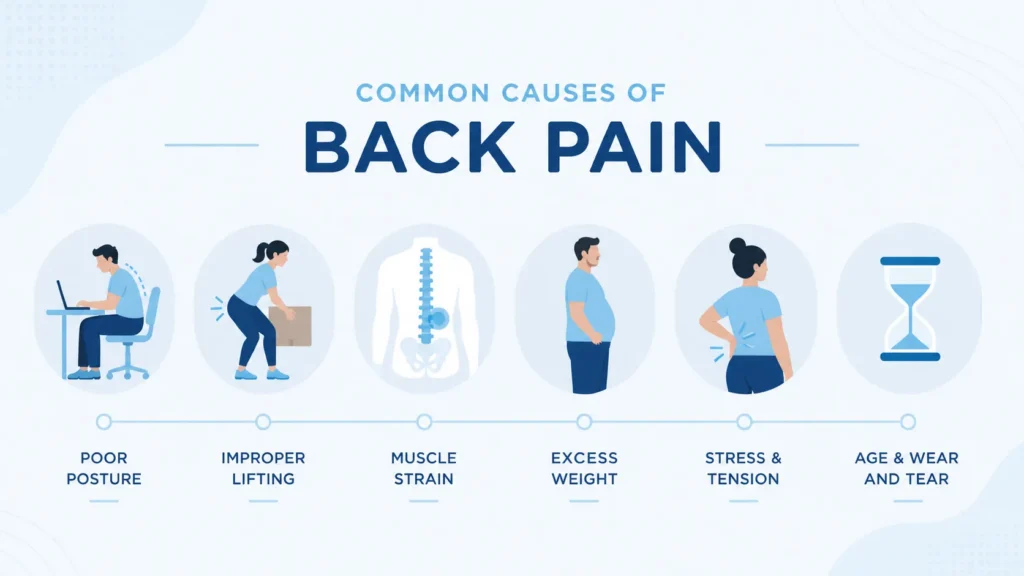
Common back pain causes include:
- Muscle irritation from overload or unfamiliar activity
- Stiffness in the small joints of the spine
- Disc-related irritation that may affect bending tolerance
- Nerve sensitivity that can produce leg symptoms
- Movement-related stress from repetitive tasks
These patterns often overlap. Someone may begin with stiffness from prolonged sitting and later develop muscle tension as the body tries to protect the area. The goal of physical therapy is to identify which movements irritate the back and which movements help restore normal function.
What Back Pain Often Feels Like
Back pain does not feel the same for everyone. Some people notice a dull ache in the lower back after prolonged sitting. Others feel sharp discomfort when bending forward, lifting, or twisting.
Symptoms often fluctuate throughout the day depending on activity level. A person may feel stiff in the morning, loosen up after moving around, and then notice soreness again later in the day.
Back pain can develop when several tissues around the spine become irritated or overloaded. In most cases, symptoms are not caused by a single structure. Instead, they reflect how muscles, joints, discs, and nerves are responding to movement and physical load over time.
| Symptom pattern | What people often notice |
|---|---|
| Morning stiffness | Back feels tight when first getting out of bed |
| Sitting discomfort | Pain increases after long desk work or driving |
| Bending sensitivity | Pain when tying shoes or picking something up |
| Activity soreness | Back begins aching later in the day |
| Position relief | Changing posture reduces discomfort |
These patterns provide useful clues during a physical therapy evaluation. The way symptoms behave during activity helps determine which tissues are irritated and how the spine is responding to load.
How Symptoms Behave During Everyday Activity
For many people, back pain becomes noticeable during routine tasks rather than intense physical effort. Sitting, bending, reaching, and lifting place repeated stress on the spine throughout the day.
Someone who works at a computer may notice stiffness after sitting for an hour or two. Standing up might feel uncomfortable at first, but symptoms often improve after a few minutes of walking.
Athletes and runners sometimes experience a different pattern. The back may feel tight at the beginning of activity, loosen up as the body warms up, and then become sore again later in the day.
Physical therapists pay close attention to these activity patterns because they reveal how the spine tolerates load. Pain that increases during prolonged sitting may indicate limited tolerance to movement in certain positions. Symptoms triggered by bending or lifting often suggest that the back tissues are not yet prepared for those loads.
Understanding these patterns allows treatment to focus on restoring movement tolerance rather than solely on imaging findings.
Why Back Pain Often Develops Gradually
Most back pain develops slowly over time rather than from a single injury. Small changes in activity level, movement habits, or conditioning can gradually increase stress on the spine.
For example, someone who spends long hours sitting may develop stiffness in the hips and mid-back. Over time, the lower back begins to absorb more movement and load than it is designed to handle. This gradual increase in stress can eventually lead to irritation.
A similar pattern happens when people increase activity too quickly. Someone returning to the gym, starting a new running routine, or doing heavy yard work after months of inactivity may overload tissues that are not yet prepared for that demand.
Several common lifestyle and activity factors can gradually increase stress on the lower back:
- Long periods of sitting with limited movement
- Sudden increases in lifting or exercise
- Reduced strength in the hips and trunk
- Limited mobility in the hips or mid-back
- Repetitive bending or twisting during work
The body is generally very resilient. Symptoms often appear only after the cumulative stress of these factors exceeds what the tissues can comfortably tolerate.
Common Types of Back Pain
Although symptoms may seem similar, several patterns of back pain are common in physical therapy clinics.

Muscle Strain
Muscle strain occurs when the muscles supporting the spine become irritated or overloaded during activity.
This often occurs when the back muscles are asked to handle a load they are not yet prepared for, such as lifting something heavy, performing an unfamiliar activity, or returning to exercise too quickly.
Symptoms often include:
- Local soreness in the lower back
- Tightness with movement
- Pain when bending or lifting
- Improvement with gentle movement
Muscle-related pain usually improves steadily with movement and gradual activity.
Joint Stiffness
The small joints of the spine can become stiff after prolonged sitting or limited movement.
People often notice stiffness when:
- Standing up after sitting
- Turning or twisting the trunk
- Getting out of bed in the morning
Movement and mobility exercises typically help restore normal motion.
Disc Irritation
Discs act as cushions between the bones of the spine. When irritated, they may cause localized back pain or symptoms that travel into the hip or leg.
Disc-related symptoms sometimes worsen during:
- Prolonged sitting
- Bending forward repeatedly
- Lifting from the floor
Many people with disc irritation improve with physical therapy that restores movement and improves strength.
Nerve Sensitivity
In some cases, nerves in the lower back become sensitive when surrounding tissues are irritated.
This may cause symptoms such as:
- Pain that travels into the buttock or leg
- Tingling or numbness
- Symptoms that change with position
A physical therapist evaluates how nerve symptoms respond to different movements and positions.
Back Pain vs Sciatica
People often use the terms “back pain” and “sciatica” interchangeably, but they refer to different symptom patterns.
Back pain typically affects the lower back. Sciatica refers to symptoms that travel along the sciatic nerve, usually into the buttock, thigh, or leg.
Sciatica occurs when a nerve in the lower spine becomes irritated or sensitive. This can occur due to disc irritation, inflammation around the nerve, or pressure on the surrounding tissues.
People with sciatica often describe their symptoms differently from those with typical back pain. Instead of local back pain, they may feel radiating leg pain.
Common sciatica symptoms include:
- Pain that travels from the lower back into the buttock or leg
- Tingling or numbness in the thigh or calf
- Burning or electric sensations in the leg
- Pain that increases when sitting for long periods
- Symptoms that change with certain movements
| Condition | Typical symptom pattern |
|---|---|
| Local back pain | Pain stays in the lower back |
| Sciatica | Symptoms travel into the buttock or leg |
| Disc irritation | Back pain with possible leg symptoms |
| Muscle strain | Local soreness in the back muscles |
A physical therapy evaluation helps determine whether symptoms are coming from the back itself or from irritation of nearby nerves.
This distinction helps guide treatment and activity recommendations.
Why Imaging Often Does Not Tell the Whole Story
Many people assume that back pain always requires an MRI or X-ray. In reality, imaging is rarely necessary for the most common cases of back pain.
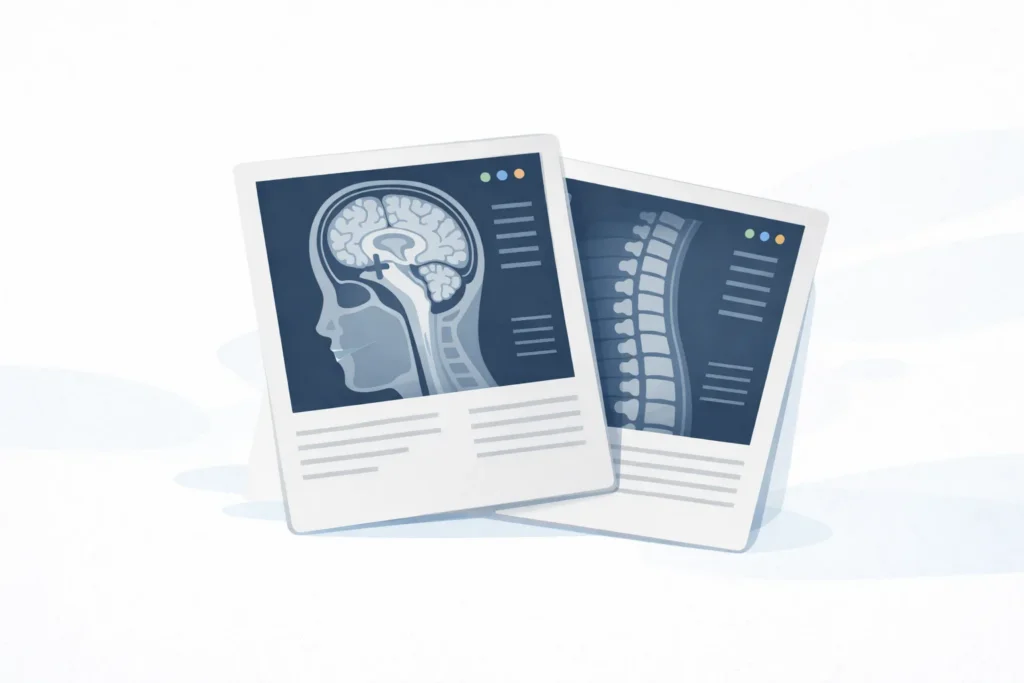
Research shows that many people without back pain still have findings such as disc bulges or degeneration on MRI scans. These changes often represent normal age-related changes rather than the true source of symptoms.
Because of this, physical therapists rely heavily on movement testing and symptom behavior rather than imaging alone.
During an evaluation, therapists observe how symptoms respond when the spine moves in different directions or when certain activities are performed.
For example, a therapist may ask a patient to bend forward several times or extend the spine backward to see whether symptoms improve or worsen.
Movement testing provides important information about how the spine and surrounding tissues respond to activity.
Movement-based evaluation provides useful information such as:
- Whether symptoms improve with certain spinal movements
- Which positions reduce discomfort
- Which activities trigger symptoms
- How the spine responds to repeated movement
- Whether symptoms travel into the leg
Understanding these patterns allows treatment to focus on restoring movement tolerance rather than simply addressing imaging findings.
In most cases, people improve with targeted rehabilitation that restores mobility, strength, and normal activity levels.
How Physical Therapy Evaluates Back Pain
A physical therapy evaluation focuses on understanding how your back responds to movement, posture, and daily activity.
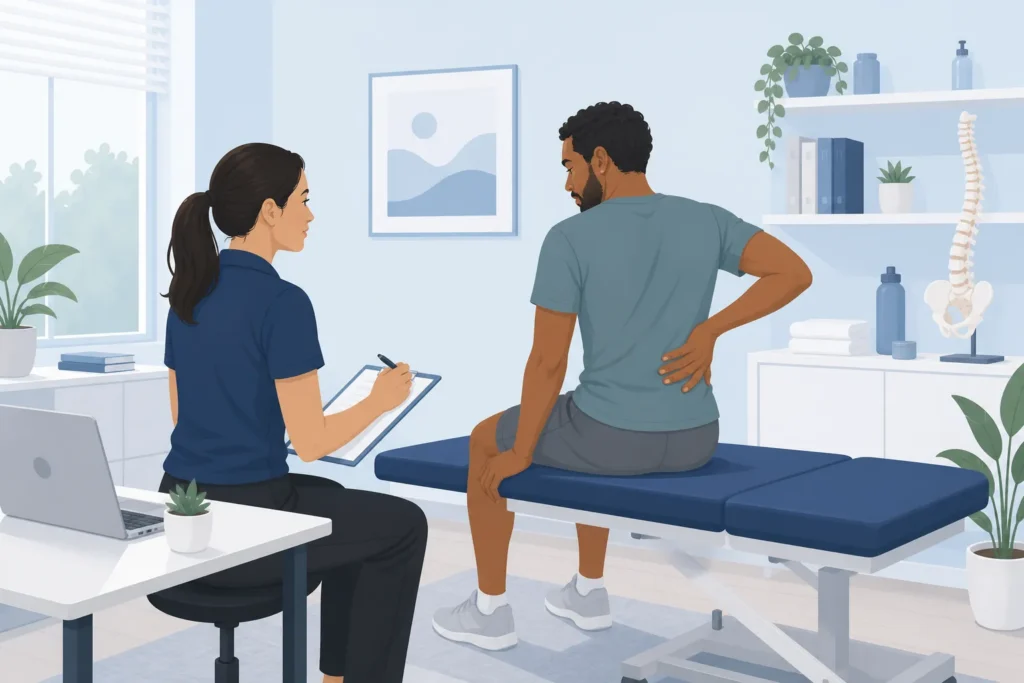
The first part of the visit usually involves a discussion of the patient’s symptom history. Your therapist will ask when the pain started, what activities aggravate it, and which movements seem to reduce symptoms.
Movement testing is a key part of the evaluation. Patients may be asked to bend forward, extend the spine backward, twist, walk, or perform repeated movements to see how symptoms change.
These tests help identify patterns in how the back responds to load.
| Evaluation area | What the therapist assesses |
|---|---|
| Movement testing | How bending, extension, and rotation affect symptoms |
| Activity tolerance | Sitting, standing, walking, and lifting capacity |
| Mobility | Movement in the hips, mid-back, and spine |
| Strength | Control of the trunk and hip muscles |
| Functional tasks | Squatting, reaching, and lifting mechanics |
This information helps determine which movements should be restored first and which activities should be progressed gradually during rehabilitation.
Returning to Normal Activity
Returning to normal activity is an important part of recovery. Prolonged inactivity can lead to stiffness, reduced strength, and slower healing.
Physical therapy helps patients rebuild tolerance for everyday tasks. This might include lifting objects from the floor, standing for longer periods, or returning to exercise.
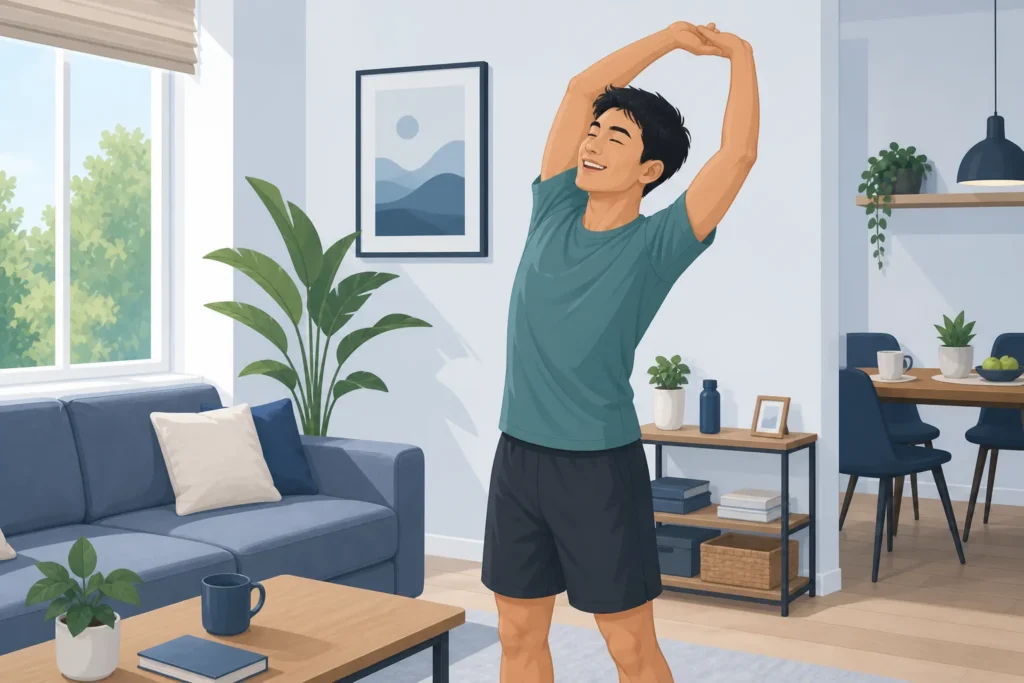
Progression usually happens in small steps. Someone returning to running may begin with short jogging intervals. A person returning to gym workouts may start with lighter resistance before gradually increasing load.
The goal is not simply to eliminate pain. The goal is to restore the ability to move confidently and handle the physical demands of daily life.
With gradual progression and appropriate strengthening, most people can return to the activities they enjoy without ongoing limitations.
When to See a Physical Therapist
Many episodes of back pain improve with time, but physical therapy can help speed recovery and reduce the risk of symptoms returning.
You may benefit from an evaluation if:
- Back pain limits daily activity
- Symptoms persist for more than a few weeks
- Pain interferes with exercise or work
- Symptoms travel into the hip or leg
- Back pain keeps returning during activity
A physical therapy evaluation can help identify the factors contributing to your symptoms and guide a plan to restore movement, improve strength, and return to activity safely.
With the right approach, most people can move comfortably again and build a stronger, more resilient back.
Tags

About the Author
Dr. Traci Smiley, DPT
Traci is a licensed physical therapist and owner of Calibration Physical Therapy, serving the Kansas City area. A Board-Certified Orthopedic Clinical Specialist with advanced training in manual therapy and strength conditioning, she helps individuals overcome pain and return to what they love.