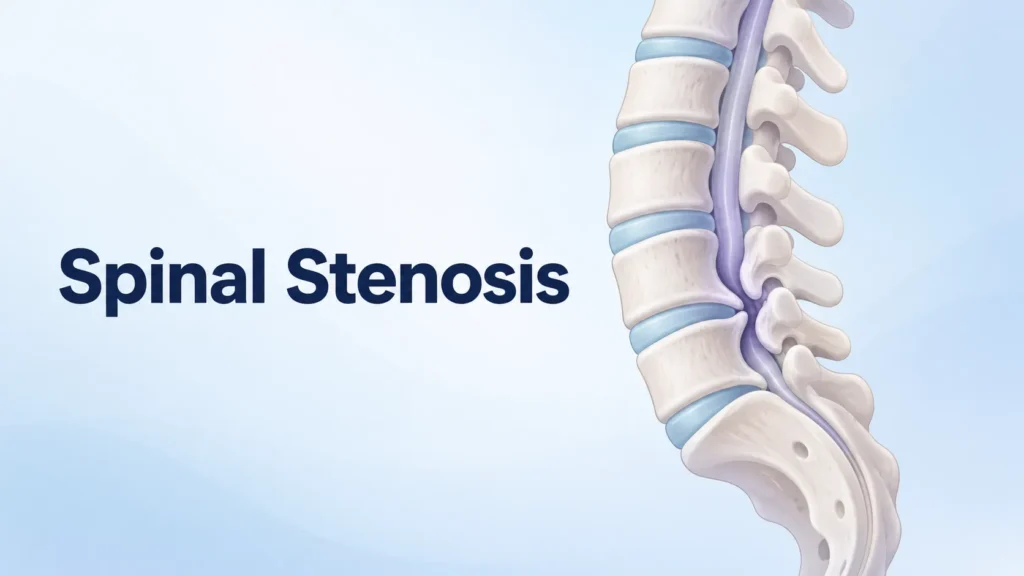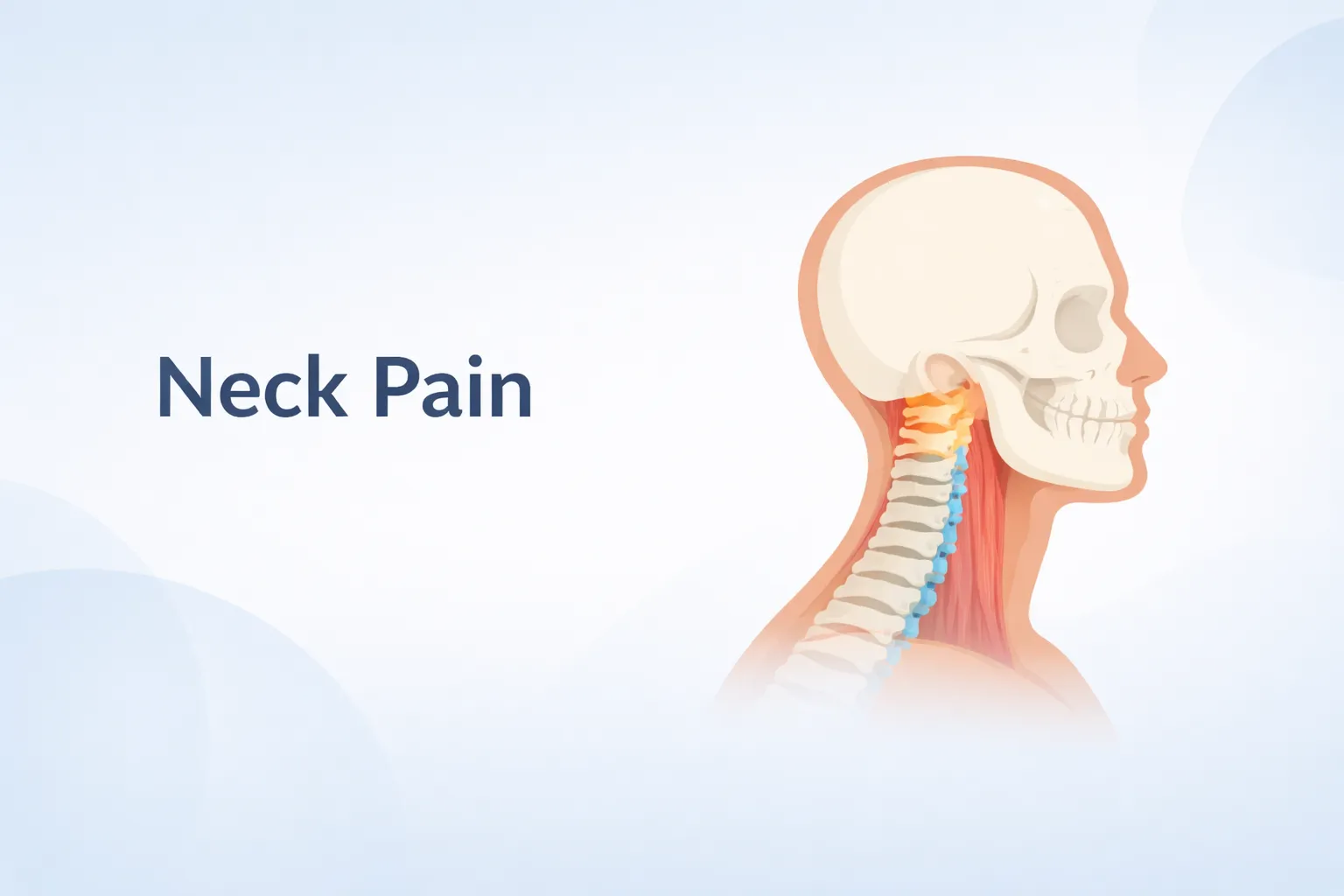
Neck pain is one of the most common musculoskeletal problems adults experience. It can develop gradually from daily posture habits or appear suddenly after lifting, sleeping awkwardly, or spending long hours at a computer.
For many people, neck pain interferes with work, exercise, sleep, and everyday comfort. This article explains what neck pain is, why it develops, how symptoms typically behave, and how physical therapy helps restore comfortable movement.
Neck Pain Basics
Neck pain refers to discomfort, stiffness, or irritation in the cervical spine, which is the portion of the spine that supports the head and allows it to move in multiple directions.
The neck balances the weight of the head while allowing rotation, bending, and extension throughout the day. Because it is constantly active, the tissues in the neck are sensitive to posture, repetitive movement, and sustained physical load.
When these tissues become irritated or overloaded, pain and stiffness can develop. Symptoms may involve muscles, joints, ligaments, or surrounding soft tissues rather than a single isolated structure.
Most cases of neck pain are considered mechanical, meaning symptoms change depending on posture, movement, and activity level.
What Causes Neck Pain?

Neck pain usually develops when the neck tissues experience more physical stress than they can comfortably tolerate.
This may occur suddenly after a strain or awkward movement, but it more often develops gradually through repetitive daily activities. In many cases, several small contributing factors combine over time before symptoms become noticeable.
Common contributors to neck pain
Physical therapists frequently see neck pain associated with daily movement patterns and prolonged positions.
Common contributing factors include:
- Prolonged computer or desk work.
- Frequent phone use with the head tilted downward.
- Poor sleep positioning.
- Sudden increases in physical activity.
- Muscle fatigue from repetitive tasks.
- Stress-related muscle tension in the neck and shoulders.
These factors do not always cause pain immediately. Instead, they gradually increase stress on the neck’s muscles and joints until the tissues become irritated.
For example, someone who spends several hours per day working on a laptop may slowly develop stiffness and soreness that becomes noticeable after work or during exercise.
Activity and posture patterns that affect the neck
The neck is particularly sensitive to sustained positions because the muscles must remain active to support the head. Common daily patterns that increase strain include:
| Activity pattern | How it affects the neck |
|---|---|
| Prolonged computer work | The neck remains strained overnight. |
| Phone use | A downward head position increases stress on the cervical joints. |
| Long driving sessions | Limited movement can lead to joint stiffness. |
| Sleeping with poor support | The neck remains in a strained position overnight. |
Over time, these patterns can reduce the neck’s tolerance to normal movement and activity.
What Does Neck Pain Feel Like?
Neck pain can present in several ways, depending on which tissues are irritated and how long the symptoms have been present.
Some people notice mild stiffness that improves as the day goes on, while others experience sharper discomfort when turning the head or looking up and down. Symptoms can also fluctuate throughout the day depending on posture, activity level, and how long the neck has remained in one position.
Common symptoms of neck pain
Patients often describe symptoms such as:
- Stiffness when turning the head.
- Pain when looking up or down.
- Soreness after sitting for long periods.
- Headaches that begin near the base of the skull.
- Muscle tightness across the upper shoulders.
- Difficulty finding a comfortable sleeping position.
Symptoms may remain localized to the neck, but they can also spread into nearby areas such as the upper back, shoulder blade region, or base of the head. These patterns often help physical therapists understand which tissues may be contributing to the irritation.
Symptoms that change with movement
One of the most important features of mechanical neck pain is that symptoms often change with movement or posture. Many patients notice patterns such as:
| Symptom behavior | What patients often notice |
|---|---|
| Pain during movement | Turning or extending the neck increases discomfort. |
| Stiffness after rest | The neck feels tight after sitting or sleeping. |
| Temporary relief with movement | Gentle motion reduces stiffness. |
| End-of-day soreness | Symptoms worsen after a full day of activity. |
These patterns provide physical therapists with important clues about how the neck responds to load, posture, and daily movement demands.
How Neck Pain Behaves During Daily Activities
Neck pain is often closely connected to daily activity levels and movement habits.
Certain activities place sustained demand on the neck muscles and joints, while others help restore circulation and reduce stiffness. Recognizing these patterns helps patients understand why symptoms may appear during certain tasks or worsen at the end of the day.
Activities that commonly aggravate neck pain
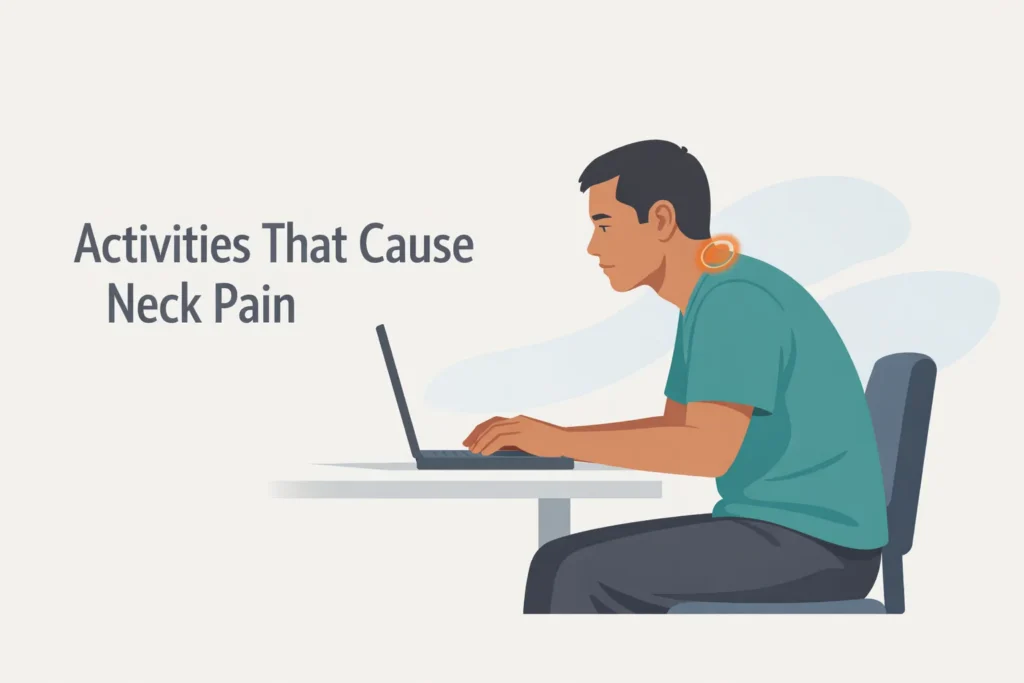
Patients frequently report increased symptoms during activities that involve prolonged positions or sustained neck loading.
Common aggravating activities include:
- Prolonged computer work.
- Reading with the head tilted forward.
- Driving long distances without movement breaks.
- Looking down at a phone for extended periods.
- Lifting objects away from the body.
These activities require the neck muscles to remain active for extended periods. As the muscles fatigue, the joints and surrounding tissues may become more sensitive.
Many patients notice that symptoms gradually build throughout the day rather than appearing immediately during the activity.
Activities that often improve symptoms
In contrast, gentle movement often helps the neck feel better.
When the neck moves regularly, circulation improves, and stiffness tends to decrease. This is why many people notice that symptoms ease after light activity.
Common activities that help relieve neck stiffness include:
- Walking or light general activity.
- Changing posture throughout the day.
- Gentle neck movement.
- Stretching the upper back and shoulders.
Because of this, neck pain usually responds better to gradual movement than to prolonged rest.
How Physical Therapists Evaluate Neck Pain
When someone visits physical therapy for neck pain, the evaluation focuses on understanding how the neck moves and responds to different types of load.
Rather than focusing only on anatomy, therapists assess how movement patterns, posture, and daily activities influence symptoms. The goal is to identify why the neck became irritated and which factors may be preventing it from calming down.
Key parts of a neck pain evaluation
A physical therapy assessment looks at several aspects of how the neck functions during real movement.
A typical evaluation may include:
- Reviewing symptom history and daily activity patterns.
- Assessing neck mobility and range of motion.
- Evaluating posture and movement habits.
- Checking muscle strength and endurance in the neck and upper back.
- Identifying movements that reproduce symptoms.
These findings help physical therapists determine which movements are limited, which tissues are sensitive, and how well the neck tolerates load.
In many cases, the underlying issue involves a combination of reduced mobility, muscle fatigue, and movement patterns that repeatedly stress the neck during daily activities.
Who Benefits From Neck Pain Physical Therapy?
Many different individuals seek physical therapy for neck pain.
In most cases, symptoms develop gradually from daily activities rather than from a single injury. Work posture, training habits, and prolonged sitting can all contribute to neck irritation over time.
Physical therapy focuses on restoring comfortable movement and improving the neck’s tolerance for daily activities. Because treatment addresses mobility, strength, and movement habits, many different types of patients benefit from this approach.
People who often seek physical therapy for neck pain include:
- Desk workers are experiencing postural neck pain.
- Runners with upper back and neck tension.
- Recreational athletes returning to training after neck irritation.
- People with stiffness related to prolonged sitting.
- Individuals with recurring headaches related to neck tension.
In each of these situations, the goal of neck pain treatment is not simply to reduce pain in the moment. Instead, physical therapy aims to improve mobility, muscle endurance, and movement patterns so the neck can better handle daily demands.
When Should You See a Physical Therapist for Neck Pain?
Many mild cases of neck pain improve within a few days as irritated tissues settle and normal movement returns.
However, persistent or recurring symptoms can indicate that the neck is struggling to tolerate normal activity. In these situations, a physical therapy evaluation can help identify the movement patterns or activity stresses that may be contributing to the problem.
You may benefit from seeing a physical therapist if:
- Neck pain lasts longer than one to two weeks.
- Pain interferes with sleep or daily activity.
- Neck movement feels increasingly restricted.
- Headaches occur regularly with neck tension.
- Symptoms return repeatedly during work or exercise.
Early evaluation can often prevent symptoms from becoming more persistent. Addressing mobility limitations, muscle fatigue, and movement habits early helps the neck regain normal tolerance to daily activity.
Moving Forward With Neck Pain
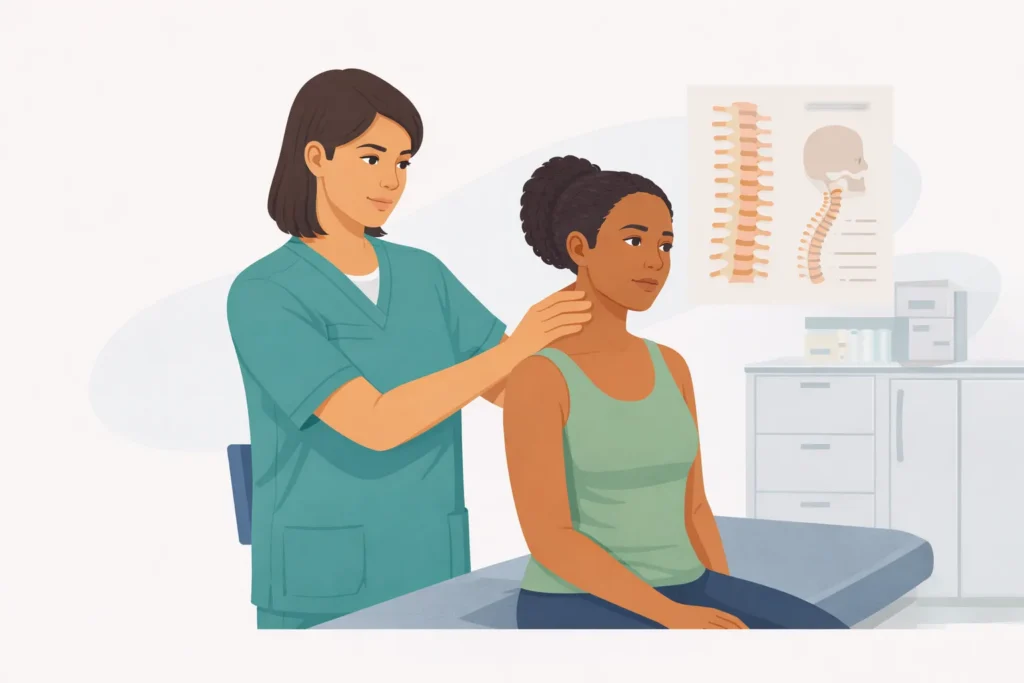
Neck pain can be frustrating, especially when it interferes with work, exercise, or sleep. In many cases, the issue relates to how the neck moves and responds to daily stress rather than to a serious injury.
Most people improve when movement patterns, mobility, and muscle endurance are addressed. Small changes in how the neck handles daily activity can make a meaningful difference in long-term comfort.
Physical therapy focuses on identifying the movement patterns and activity demands that may be irritating the neck. Treatment then focuses on restoring comfortable motion and gradually improving the neck’s tolerance for daily tasks.
If neck pain is limiting your ability to work, exercise, or sleep comfortably, a physical therapy evaluation at our Overland Park clinic can help identify the underlying cause and guide a safe return to normal activity.
Tags

About the Author
Dr. Traci Smiley, DPT
Traci is a licensed physical therapist and owner of Calibration Physical Therapy, serving the Kansas City area. A Board-Certified Orthopedic Clinical Specialist with advanced training in manual therapy and strength conditioning, she helps individuals overcome pain and return to what they love.